
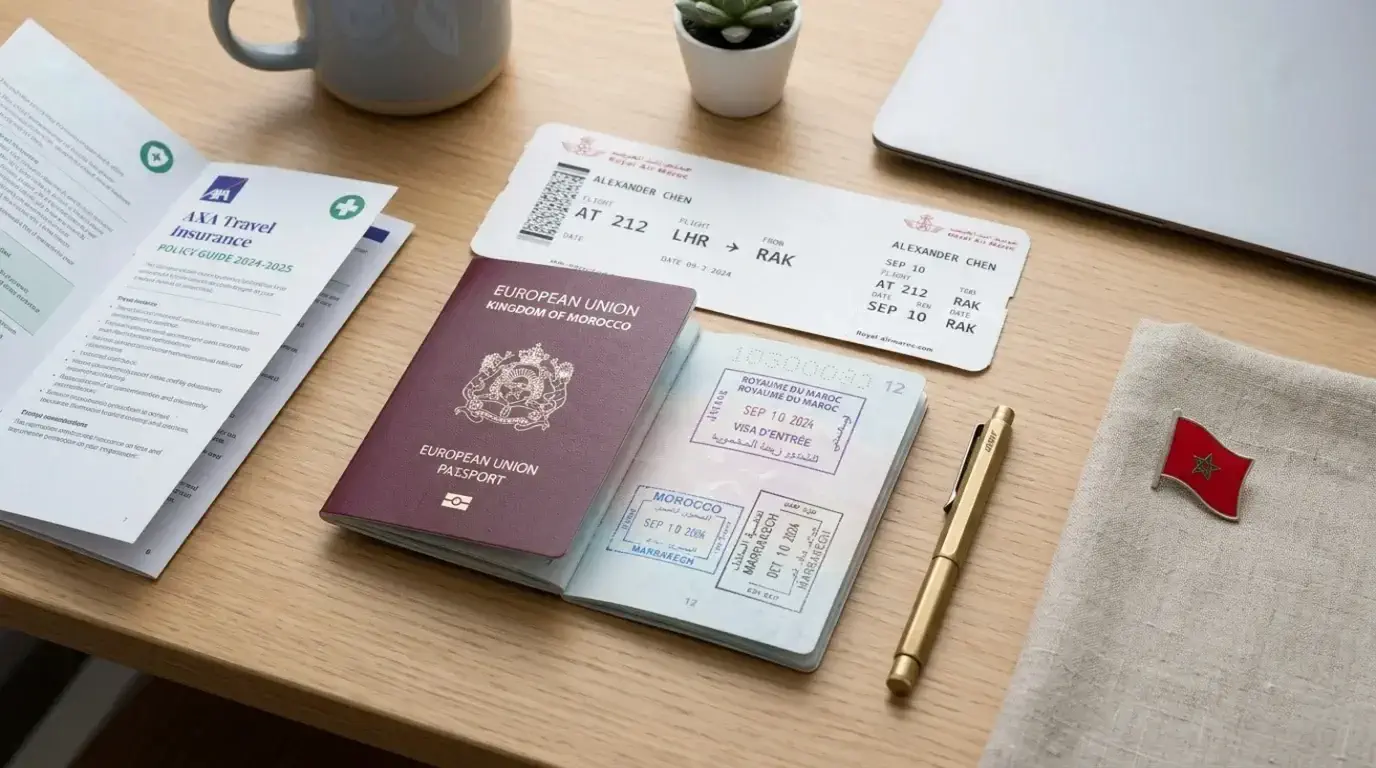
Morocco Visa Requirements 2026: Do You Need a Visa and How to Apply
Morocco visa requirements are relatively straightforward for many international travelers. Citizens of several countries can visit Morocco without applying for a visa in advance, while travelers from other countries may need to apply for a traditional visa or, if eligible, an electronic visa.
However, entry requirements depend on several factors, including your nationality, passport type, country of residence, and purpose of travel.
This guide covers everything you need to know about Morocco visa requirements in 2026, including who needs a visa, which travelers can enter visa-free, how to apply, what documents you may need, how long tourists can stay, and what to expect when arriving in Morocco.
Important: Visa and entry requirements can change. Before traveling, always verify the current rules for your nationality through Morocco’s official sources.
Morocco Visa Requirements: Quick Answer
For many travelers from Europe, North America, Australia, and other countries, Morocco allows visa-free entry for tourist stays of up to 90 days.
Travelers from countries that require a visa must usually obtain authorization before traveling. Depending on their eligibility, this may involve applying through a Moroccan embassy or consulate or using Morocco’s official electronic visa system.
The easiest way to check your individual situation is through the official Accès Maroc platform, which allows travelers to check visa requirements based on nationality, country of residence, passport type, and travel purpose.
Morocco Visa Requirements: The Basic Picture
Morocco operates a relatively open visa policy for tourists from many countries. A large number of visitors can enter without obtaining a visa in advance for short stays.
For visa-exempt travelers, entry is generally straightforward. You will need a valid passport and may be asked by border authorities about your trip, accommodation, or onward travel plans.
For travelers whose nationality requires a visa, the process usually involves applying before departure through a Moroccan embassy, consulate, or the official electronic visa system if eligible.
The exact Morocco visa requirements depend on:
- Your nationality
- Your country of residence
- Your passport type
- The purpose of your visit
- The length of your planned stay
Morocco’s official tourism information states that the maximum duration of a tourist trip is generally 90 days.
Do You Need a Visa for Morocco?
Whether you need a visa depends primarily on your nationality.
Morocco has visa-exemption agreements with a large number of countries, allowing their citizens to visit for short tourist stays without applying for a visa in advance.
Other travelers must obtain a visa before entering the country.
Because visa policies can change, the safest approach is to check your individual eligibility through the official Accès Maroc system or a Moroccan embassy responsible for your country of residence.
Countries That Do Not Need a Visa for Morocco
Citizens of many countries can enter Morocco without a visa for tourism stays of up to 90 days.
These generally include travelers from several major regions.
European Union Countries
Citizens of European Union member states, including France, Germany, Spain, Italy, Portugal, Belgium, the Netherlands, and other EU countries, can generally visit Morocco without a tourist visa for short stays.
United Kingdom
British citizens can generally enter Morocco visa-free for tourist visits of up to 90 days.
United States and Canada
American and Canadian citizens generally do not need a visa for short tourist stays in Morocco.
Australia and New Zealand
Citizens of Australia and New Zealand can generally enter Morocco without applying for a tourist visa in advance.
Japan and South Korea
Travelers from Japan and South Korea generally benefit from visa-free entry for short stays.
Gulf Cooperation Council Countries
Citizens of several Gulf Cooperation Council countries, including Saudi Arabia, the United Arab Emirates, Kuwait, Qatar, Bahrain, and Oman, generally benefit from visa-free travel arrangements.
Other Countries
Morocco also has visa-exemption agreements with countries across Latin America, Africa, and Asia.
However, instead of relying entirely on a fixed country list that may become outdated, check your exact nationality through the official Moroccan system before traveling.
The Moroccan Ministry of Foreign Affairs also provides official information about countries whose citizens are exempt from entry visa requirements.
Morocco Visa Requirements for Nationalities That Need a Visa
Travelers whose nationality is not eligible for visa-free entry must obtain the appropriate authorization before traveling to Morocco.
Depending on your circumstances, you may need to apply through:
- A Moroccan embassy
- A Moroccan consulate
- Morocco’s official electronic visa system
The application process and required documents can vary depending on your nationality, country of residence, and the purpose of your visit.
Types of Morocco Visa
Moroccan authorities issue several types of visas depending on the purpose and duration of travel.
Official Moroccan sources identify several main categories of entry visas, including short-validity visas, long-validity visas, transit visas, and visas issued in specific border situations.
Tourist Visa
A tourist visa is intended for leisure travel and short visits to Morocco.
The permitted duration depends on the visa issued and the individual circumstances of the traveler.
Business Visa
A business visa may be required for travelers visiting Morocco for professional purposes, including meetings, conferences, negotiations, exhibitions, or other business activities.
Supporting documents may include an invitation from a Moroccan company or organization.
Transit Visa
A transit visa may apply to certain travelers passing through Morocco on their way to another destination.
The exact requirements depend on nationality and travel circumstances.
Student Visa
Travelers planning to study in Morocco for an extended period may require a visa and additional residence formalities.
Student requirements are different from those for a standard tourist visit.
Other Visa Categories
Morocco also provides visa categories related to:
- Employment
- Investment
- Conferences
- Research
- Journalism
- Internships
- Family reunification
- Other professional activities
The correct visa category depends on the purpose of your stay.
Documents Required for a Morocco Visa Application
The specific documents required for a Morocco visa application vary depending on the embassy, consulate, visa category, and nationality of the applicant.
However, a standard tourist visa application may require:
- A completed visa application form
- A valid passport
- A photocopy of your passport
- Recent passport photographs
- Proof of legal residence, where applicable
- Proof of sufficient financial means
- Bank statements
- Flight itinerary
- Travel insurance
- Hotel reservation or proof of accommodation
- Supporting employment or student documents in some cases
Official Moroccan diplomatic guidance for tourist visa applications includes documents such as a passport, photographs, bank statements, flight itinerary, travel insurance, and accommodation evidence.
Some applicants may also need to provide additional documents depending on their circumstances.
Important
Do not rely only on a generic online checklist.
Always check the exact requirements with the Moroccan embassy or consulate responsible for your country before submitting an application.
Morocco Visa Processing Times
Morocco visa processing times can vary depending on:
- The embassy or consulate handling your application
- Your nationality
- The type of visa requested
- Seasonal demand
- The completeness of your application
Processing may take several working days or longer, particularly during busy travel periods.
For this reason, it is best to begin the visa process well before your intended departure date.
If you need a traditional visa, applying several weeks in advance is generally safer than waiting until the last minute.
Morocco eVisa and Online Applications
Morocco introduced its electronic visa system to simplify the application process for eligible foreign nationals.
The official eVisa system is available through the Accès Maroc platform.
Eligible travelers can use the platform to:
- Check whether they need a visa
- Verify eVisa eligibility
- Submit an electronic visa application
- Track an application
- Check eligibility for an Electronic Authorization to Travel to Morocco (AEVM)
The official eVisa can be used for eligible tourism and business travelers. Morocco’s Ministry of Foreign Affairs states that an eVisa can be valid for up to 180 days from issuance and allows a stay of up to 30 days.
The exact eligibility requirements depend on the applicant’s nationality, residence status, and other travel documents.
Only eligible travelers can apply through the electronic system, and holding an eVisa does not guarantee entry if a traveler does not meet border entry requirements.
Apply Through the Official Platform
Use only the official Accès Maroc eVisa platform when checking eligibility or submitting an electronic application.
Be careful with unofficial websites that charge additional service fees.
What to Expect at the Moroccan Border
Whether you enter Morocco visa-free or with a pre-approved visa, you will go through passport and immigration control when arriving in the country.
For most tourists, the process is straightforward.
Passport Control
A border officer will inspect your passport and verify your eligibility to enter Morocco.
Make sure your passport is valid and in good condition before traveling.
Morocco’s official tourism information advises all travelers to make sure they have a valid passport before arrival.
Immigration Questions
Border officers may ask questions about:
- The purpose of your visit
- How long you plan to stay
- Where you will stay
- Your onward or return travel plans
Keep your hotel reservation and return travel details easily accessible.
You may not always be asked to provide these documents, but having them available can make the arrival process easier.
Customs
When entering Morocco, travelers should also be aware of basic customs regulations. Certain items may be subject to limits or declaration requirements, particularly large amounts of cash and restricted goods.
For detailed information, check Morocco’s official customs guidance before traveling.
How Long Can You Stay in Morocco?
For tourists, the maximum duration of a tourist trip is generally 90 days.
This applies to the tourist stay allowed under the relevant entry conditions and should not be confused with the validity period of your passport or visa.
Keep track of your entry date and make sure you understand the length of stay permitted in your individual situation.
Morocco’s National Tourist Office states that the maximum tourist stay is 90 days.
Extending Your Stay in Morocco
If you want to remain in Morocco beyond your permitted tourist stay, do not simply overstay your entry period.
Morocco’s official tourism information states that a request for an extension can be made at the nearest police station for an additional period, subject to the applicable procedure and approval.
What Should You Do?
Start the process before your permitted stay expires.
Contact the nearest relevant police authority and ask about the documents and procedures required for your specific situation.
Requirements may depend on:
- Your nationality
- Your current immigration status
- The reason for extending your stay
- The length of the requested extension
Important
Do not rely on informal advice suggesting that leaving and immediately re-entering Morocco is a guaranteed way to reset your permitted stay.
If you plan to live, work, study, or remain in Morocco for an extended period, you should investigate the appropriate visa or residency process instead.
Morocco Visa Requirements: Special Cases
Certain travelers may have additional entry requirements depending on their nationality or the purpose of their visit.
Dual Nationals
Moroccan citizens who also hold another nationality should be aware that Moroccan nationality laws and travel procedures may affect how they enter and leave the country.
If you hold Moroccan citizenship, check with the relevant Moroccan consulate before traveling with multiple passports.
Journalists and Media Professionals
Travelers planning to conduct professional journalistic activities in Morocco may require specific accreditation or authorization beyond a standard tourist entry.
If you are visiting Morocco for reporting, filming, or professional media work, contact the relevant Moroccan authorities before departure.
NGO Workers and Volunteers
Long-term volunteer work or NGO activities may require additional authorization.
A standard tourist entry may not automatically cover every type of organized volunteer or professional activity.
Consult your organization and the relevant Moroccan authorities before traveling.
Professional Activities
Working in Morocco generally requires different authorization from a tourist visit.
If your trip involves employment, professional projects, research, journalism, or other specialized activities, verify the correct requirements before entering Morocco.
What Happens If You Overstay Your Permitted Period?
Overstaying your permitted stay in Morocco can create administrative and legal problems.
If you remain beyond the period authorized for your visit, you may face difficulties when attempting to leave the country and could be required to regularize your situation.
The consequences can depend on the length and circumstances of the overstay.
If You Have Overstayed
Do not ignore the situation.
Contact the nearest relevant authority and explain your circumstances as soon as possible.
The safest approach is always to address the issue before your departure date rather than waiting until you arrive at the airport or border.
Practical Tips for Meeting Morocco Visa Requirements
1. Check Your Visa Status Before Booking Your Trip
Your nationality is the main factor determining whether you need a visa.
Check the official Accès Maroc platform or contact the Moroccan embassy responsible for your country.
2. Check Your Passport Early
Make sure your passport is valid and in good condition.
Some Moroccan diplomatic missions request passports with at least six months of validity after the intended return date as part of visa applications.
Requirements can vary depending on your circumstances, so always verify the rule that applies to you.
3. Keep Copies of Important Documents
Keep digital and physical copies of:
- Passport
- Visa or eVisa approval
- Travel insurance
- Hotel reservations
- Return flight details
Store copies separately from the originals.
4. Apply Early if You Need a Visa
Visa processing times can vary.
Do not wait until a few days before departure to begin your application.
Starting early gives you time to provide additional documents if requested.
5. Use Only Official Visa Platforms
When applying online, start with Morocco’s official Accès Maroc platform.
Avoid unofficial websites that may charge unnecessary service fees.
6. Keep Track of Your Entry Date
Your permitted stay begins according to your immigration entry record.
Do not rely only on your flight booking or intended departure date.
Keep track of how long you have been in Morocco.
7. Do Not Overstay
If your travel plans change and you need to stay longer, contact the relevant authorities before your permitted stay expires.
Do not assume that an overstay will be ignored or automatically resolved when leaving the country.
Morocco Visa Requirements FAQ
Do US Citizens Need a Visa for Morocco?
US citizens generally do not need a tourist visa for short stays in Morocco.
However, entry requirements can change, so travelers should verify the latest conditions before departure.
Do UK Citizens Need a Visa for Morocco?
British citizens generally do not need a visa for short tourist visits to Morocco.
Always check current entry requirements before traveling.
Do EU Citizens Need a Visa for Morocco?
Citizens of European Union countries can generally visit Morocco without obtaining a tourist visa for short stays.
The permitted duration and conditions should always be verified before travel.
How Long Can Tourists Stay in Morocco?
The maximum duration of a tourist trip is generally 90 days.
Can I Apply for a Morocco Visa Online?
Eligible travelers may be able to apply for an electronic visa through Morocco’s official Accès Maroc platform.
The system also allows travelers to check eligibility for other electronic travel authorizations.
Is There a Morocco eVisa?
Yes. Morocco operates an official electronic visa system for eligible foreign nationals.
Eligibility depends on nationality, residence status, and other travel documents.
How Much Does a Morocco Visa Cost?
Visa fees can vary depending on:
- Nationality
- Visa type
- Country of application
- Embassy or consulate
Check the relevant Moroccan diplomatic mission or official online platform for the current fee.
Is Travel Insurance Required for Morocco?
Travel insurance may be required as part of certain visa applications and is strongly recommended for all travelers.
Official Moroccan diplomatic visa guidance includes travel insurance among the documents required for tourist visa applications in certain jurisdictions.
Can I Extend My Stay in Morocco?
Morocco’s official tourism information states that travelers can request an extension through the nearest police station, subject to the applicable process.
Final Thoughts
For many international travelers, Morocco visa requirements are relatively simple. Citizens of numerous countries can visit for short tourist stays without applying for a traditional visa in advance.
For travelers who do require authorization, Morocco offers several options depending on nationality and travel circumstances, including traditional visas and electronic applications for eligible visitors.
The most important thing is to check your individual situation before booking your trip.
Visa rules can change, and requirements vary depending on nationality, residence status, and the purpose of your visit.
Before traveling, use Morocco’s official Accès Maroc visa checker to verify whether you need a visa or electronic authorization.
For more Morocco trip planning, you may also find these guides useful:


One Comment