
Best Time to Visit Morocco: The Complete Month-by-Month Weather Guide 2026
The best time to visit Morocco depends entirely on where you are going and what you want to do when you get there. Morocco is a country of extraordinary climatic diversity — on the same winter day, you can ski in the Atlas Mountains, sunbathe on the Agadir coast, and swelter in the Sahara. Understanding this diversity is the key to choosing the right time for your specific Morocco trip.
This guide covers every month of the year, every major region, and every type of traveler — from the hiker planning an Atlas Mountains trek to the family looking for beach weather, from the photographer chasing perfect light to the culture traveler wanting to experience Ramadan.
Morocco’s Climate Zones
Before the month-by-month breakdown, understanding Morocco’s distinct climate zones helps set the right expectations.
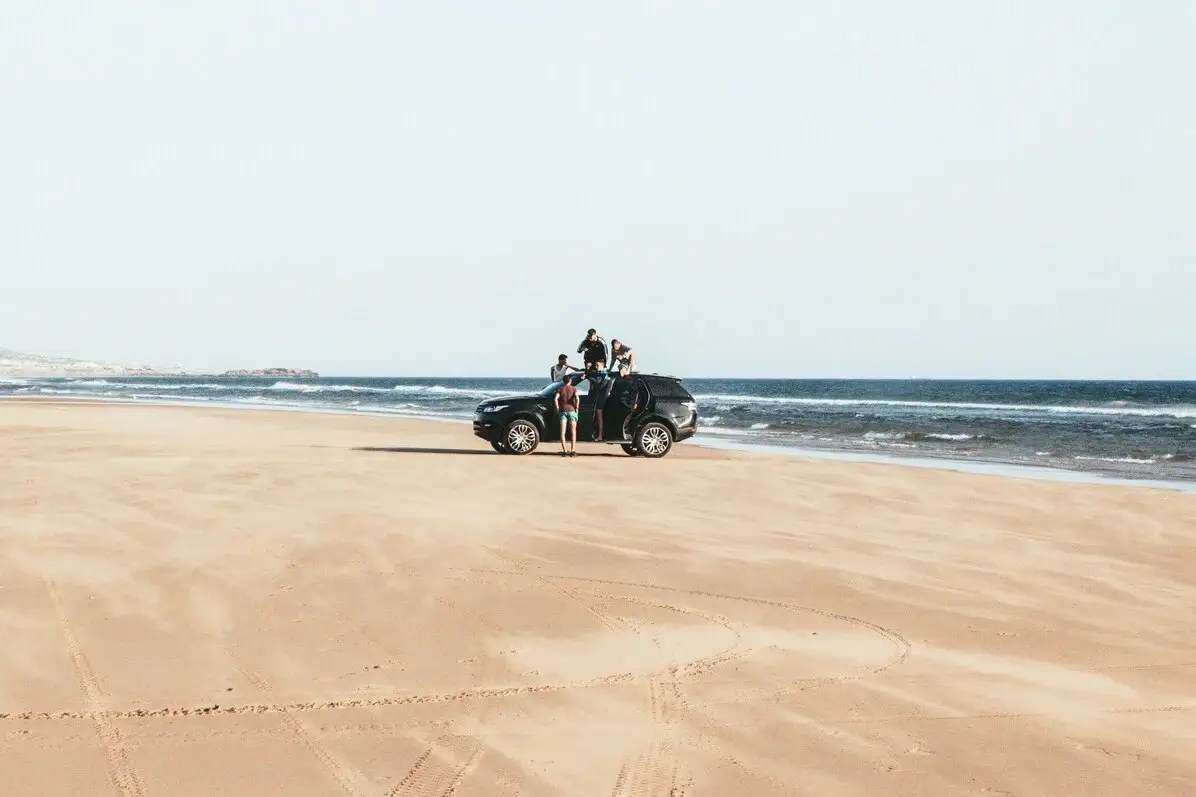
The Atlantic Coast (Casablanca, Rabat, Essaouira, Agadir): Mediterranean climate moderated by the Atlantic Ocean. Mild, relatively humid, with warm summers and cool winters. Essaouira’s constant Alizé wind keeps it cool year-round.
The Imperial Cities (Marrakech, Fes, Meknes): Hot continental climate with very hot summers and cool winters. Marrakech can exceed 40°C in July and August. Fes and Meknes are slightly cooler but share the same extreme summer heat.
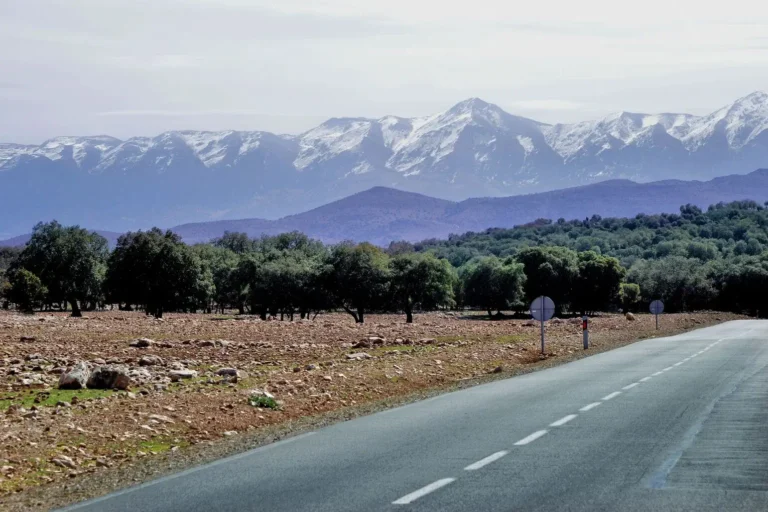
The High Atlas Mountains: Alpine climate with cold winters, significant snowfall above 2,000 meters from November through April, and pleasantly cool summers. The best time to visit Morocco’s mountains is entirely different from the best time for the cities.
The Sahara and Southeast (Merzouga, Ouarzazate, Draa Valley): Desert climate with extreme summer heat (45°C+), warm winters, and dramatic temperature swings between day and night throughout the year.
The Rif Mountains and North (Chefchaouen, Tangier, Tetouan): Mediterranean climate with more rainfall than the south, cooler summers, and mild winters.
Month-by-Month Guide: The Best Time to Visit Morocco
January
Weather: Cool to cold across most of Morocco. Marrakech averages 12°C/54°F. Fes is colder, often dropping below 5°C at night. Snow covers the Atlas Mountains above 2,000 meters. Agadir and the coast are mild (18–20°C) and pleasant.
Crowds: Low season. Tourist numbers are at their minimum, particularly in Marrakech and Fes. Prices for accommodation are at their lowest of the year.
Best for: City exploration in Marrakech and Fes without crowds or heat. Winter sports in the Atlas (the Oukaimeden ski resort operates when snow conditions allow). The Atlantic coast for mild temperatures. Budget travelers who want to experience the imperial cities without tourist pressure.
Avoid if: You are planning Sahara desert camping — nights in January can be bitterly cold (below 0°C). Atlas Mountain trekking above 3,000 meters requires winter mountaineering equipment.
February
Weather: Similar to January but with the first signs of warming. Almond blossom appears in the Ameln Valley and the Anti-Atlas in late February — one of the most beautiful seasonal spectacles in Morocco. Marrakech averages 14°C/57°F.
Crowds: Still low season with good accommodation availability and low prices.
Best for: The almond blossom season in the Anti-Atlas (particularly the area around Tafraout). City exploration. Early season Atlas hiking at lower elevations.
Avoid if: Beach holidays — the Atlantic coast is mild but not warm enough for swimming.
March
Weather: Spring arrives in Morocco in March with rapidly warming temperatures and some of the most beautiful light of the year. Marrakech averages 17°C/63°F. The Atlas Mountains begin to shed their snow at lower elevations. Wildflowers appear throughout the Atlas valleys.
Crowds: Visitor numbers begin to increase from mid-March. The Easter period (if it falls in March) brings significant crowds to Marrakech.
Best for: City exploration with pleasant temperatures. Lower Atlas hiking as snow retreats. The beginning of the best season for the complete Morocco circuit. Photographers — the spring light in Morocco is exceptional.
Overall verdict: March is one of the best times to visit Morocco — warm enough for comfortable exploration, not yet hot, crowds manageable except around Easter.
April
Weather: Excellent throughout Morocco. Marrakech averages 20°C/68°F — warm enough for light clothing but not yet oppressive. The Atlas Mountains are at their most beautiful — snow on the upper peaks, wildflowers in the valleys. The Sahara is warm but not yet extreme.
Crowds: High season begins in April. Marrakech and Fes are busy, particularly around Easter. Accommodation prices rise and popular riads book out well in advance.
Best for: Everything. April is arguably the single best month for a first Morocco trip — perfect temperatures across all regions, beautiful spring landscape, and the full range of experiences available.
Avoid: Nothing specific. Just book well in advance.
May
Weather: Warm and mostly excellent. Marrakech averages 23°C/73°F — still comfortable for walking but the first genuinely hot days appear. The Atlas Mountains are at peak spring beauty. The coast is warm and pleasant.
Crowds: High season continues. The Rose Festival in the Dades Valley (typically mid-May) attracts significant visitors to the valley but remains an extraordinary experience.
Best for: The Rose Festival in Kelaat M’Gouna. Atlas mountain hiking — conditions are excellent and the flowers are still spectacular. Coastal destinations for beach weather without summer crowds.
Overall verdict: May is one of the best times to visit Morocco, particularly for travelers who can avoid the school holiday periods.
June
Weather: Heat begins to build significantly in the inland cities. Marrakech averages 28°C/82°F but individual days can reach 38–40°C. Fes is similar. The coast remains comfortable thanks to the Atlantic influence. The Atlas Mountains are warm and snow-free — excellent for Toubkal summit attempts.
Crowds: Early June before school holidays is still manageable. From mid-June, European school holidays begin and crowds increase significantly.
Best for: The Gnaoua World Music Festival in Essaouira (typically June) — one of the finest music events in Africa. Atlas mountain trekking and the Toubkal summit. Coastal destinations. Early June city visits before the peak summer heat arrives.
Avoid if: You are sensitive to heat — Marrakech and Fes in late June can be genuinely uncomfortable for extended outdoor exploration.
July
Weather: Peak summer heat. Marrakech regularly exceeds 40°C/104°F. Fes is similar. The Sahara can reach 45°C+. The coast is warm (25–28°C) with constant wind at Essaouira. The High Atlas above 3,000 meters is snow-free and at its best for trekking.
Crowds: High season. Marrakech is at its busiest with European tourists. Moroccan families from the cities migrate to the coast for summer.
Best for: Atlas mountain trekking — the Toubkal summit is at its most accessible. Coastal destinations — Agadir, Essaouira, and the Atlantic beaches. Travelers who specifically want to experience Moroccan summer culture.
Avoid if: You dislike heat. Walking the medinas of Marrakech and Fes in July is genuinely uncomfortable and potentially dangerous in the midday hours.
August
Weather: The hottest month of the year across most of Morocco. Identical advice to July — extreme heat in inland cities, comfortable on the coast, excellent in the mountains.
Crowds: The peak of Moroccan domestic tourism — Moroccan families from Casablanca and the cities flood the Atlantic coast. European tourist numbers remain very high. This is the busiest and most expensive month for accommodation across Morocco.
Best for: The mountains. The coast if you enjoy a lively beach atmosphere. Travelers on a fixed school holiday schedule who have no alternative.
Avoid if: You want a peaceful, uncrowded Morocco experience or if you cannot tolerate intense heat.
September
Weather: The heat begins to moderate from mid-September. Marrakech averages 28°C/82°F early in the month, dropping to 24°C by month end. The change from August to late September is dramatic — the oppressive edge disappears from the heat and the city becomes pleasant again.
Crowds: European school holidays end in early September and crowds drop significantly from mid-month. Accommodation prices begin to fall.
Best for: Late September is excellent for everything. City exploration, Atlas hiking, Sahara visits — all become comfortable again. One of the best times to visit Morocco for travelers with flexibility.
Overall verdict: September (particularly the second half) is one of the best times to visit Morocco — summer crowds have thinned, prices have dropped, and the temperatures are returning to their most pleasant range.
October
Weather: Autumn in Morocco is extraordinary. Marrakech averages 22°C/72°F. The light is golden and dramatic. The Atlas Mountains begin to see the first autumn colors in the higher valleys. The Sahara is warm but not extreme — perfect conditions for desert camping.
Crowds: Moderate and declining through the month. Far fewer visitors than spring or summer. Good availability and reasonable prices.
Best for: Everything. October is arguably the equal of April as the single best month for a Morocco trip. The Sahara in October is particularly spectacular — warm days, cold nights, extraordinary stars, and far fewer camp visitors than in summer.
Avoid: Nothing. October is close to perfect for Morocco travel.
November
Weather: Cooling noticeably through the month. Marrakech averages 18°C/64°F early in November, dropping to 14°C by month end. The first rains arrive in some regions. The Atlas Mountains begin to receive their first significant snowfall above 2,000 meters.
Crowds: Low season begins. Visitor numbers drop significantly and accommodation prices fall.
Best for: Budget travelers — November offers some of the best accommodation prices of the year. City exploration without crowds. Early November Atlas hiking before significant snowfall.
Avoid if: You are planning Atlas mountain trekking above 2,500 meters — conditions become unreliable from mid-November.
December
Weather: Winter arrives. Marrakech averages 13°C/55°F. Cold evenings and nights across the inland cities. Snow covers the Atlas above 1,500 meters in some years. The Sahara is cold at night but warm during the day.
Crowds: Very low except around Christmas and New Year, when Marrakech in particular sees a significant influx of European visitors seeking winter sun — the city is busy and expensive during the Christmas-New Year period.
Best for: Budget travelers in early and mid-December before the Christmas period. City exploration with almost no tourist pressure. The Sahara in December has extraordinary clear skies and dramatic temperature contrasts.
Avoid: The Christmas-New Year period unless you book months in advance and accept premium prices.
The Best Time to Visit Morocco by Activity
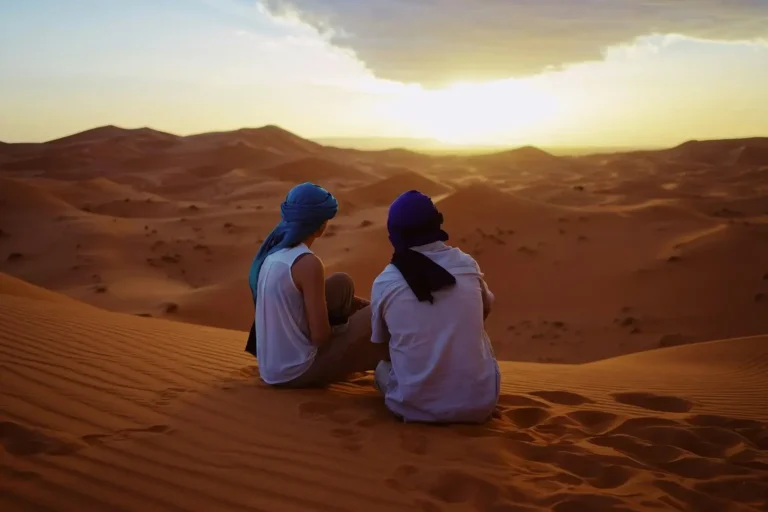
For the Sahara Desert: October to April. Avoid June to August when daytime temperatures exceed 45°C.
For Atlas Mountains hiking: April to June and September to October. July and August are possible but hot at lower elevations. November to March requires winter equipment above 2,500 meters.
For the Toubkal Summit: July to September for snow-free conditions. April to June and October for experienced hikers with appropriate equipment.
For beach holidays: June to September on the Atlantic coast. Agadir is warm enough for swimming from April to November.
For city exploration (Marrakech, Fes): March to May and September to November. Avoid June to August unless you are heat-tolerant.
For photography: March to May for spring light and flowers. October for golden autumn light. The winter months for dramatic skies and empty medinas.
For budget travel: January, February, and November offer the lowest prices and smallest crowds outside of Morocco’s major festivals.
For Ramadan: Ramadan (dates vary by year — check the Islamic calendar) offers an extraordinary cultural experience but some restaurants close during the day. A fascinating time to visit for cultural travelers, though not ideal for food-focused trips.
The Best Time to Visit Morocco: Our Verdict
First choice: October and April — both months offer near-perfect conditions across all regions and all activity types, with manageable crowds and reasonable prices.
Second choice: March and May — slightly busier than October and April but still excellent conditions throughout the country.
Best for budget travelers: January, February, and November — lowest prices, smallest crowds, and still perfectly enjoyable city exploration.
Best for beach: June to September on the Atlantic coast.
Best for mountains: July and August for trekking, April to June for flowers and spring landscape.
Avoid for general travel: July and August in the inland cities (extreme heat), and the Christmas-New Year period in Marrakech (extreme prices and crowds).
Final Thoughts
There is genuinely no bad time to visit Morocco — only times that are better suited to different activities, budgets, and tolerances for heat and crowds. The country’s extraordinary diversity means that whatever month you travel, some part of Morocco is at its best.
For most first-time visitors seeking the complete Morocco experience — cities, mountains, desert, and coast — April and October represent the ideal windows. For those with more specific goals — a Toubkal summit, a Gnaoua festival, an almond blossom spectacle — the best time to visit Morocco is determined by the activity rather than by any general rule.
For complete Morocco trip planning, read our 7 Days in Morocco itinerary, our Morocco trip cost guide, and our what to pack for Morocco guide. For official climate and seasonal information, visit Visit Morocco.
One Comment