CTM Bus Morocco: 7 Easy Tips for Tickets & Travel
CTM Bus Morocco: The Complete Guide to Long-Distance Travel
Traveling between Moroccan cities is often easiest by train, but many of the country’s most useful tourist routes are not served by rail. That’s where CTM Bus Morocco becomes especially valuable.
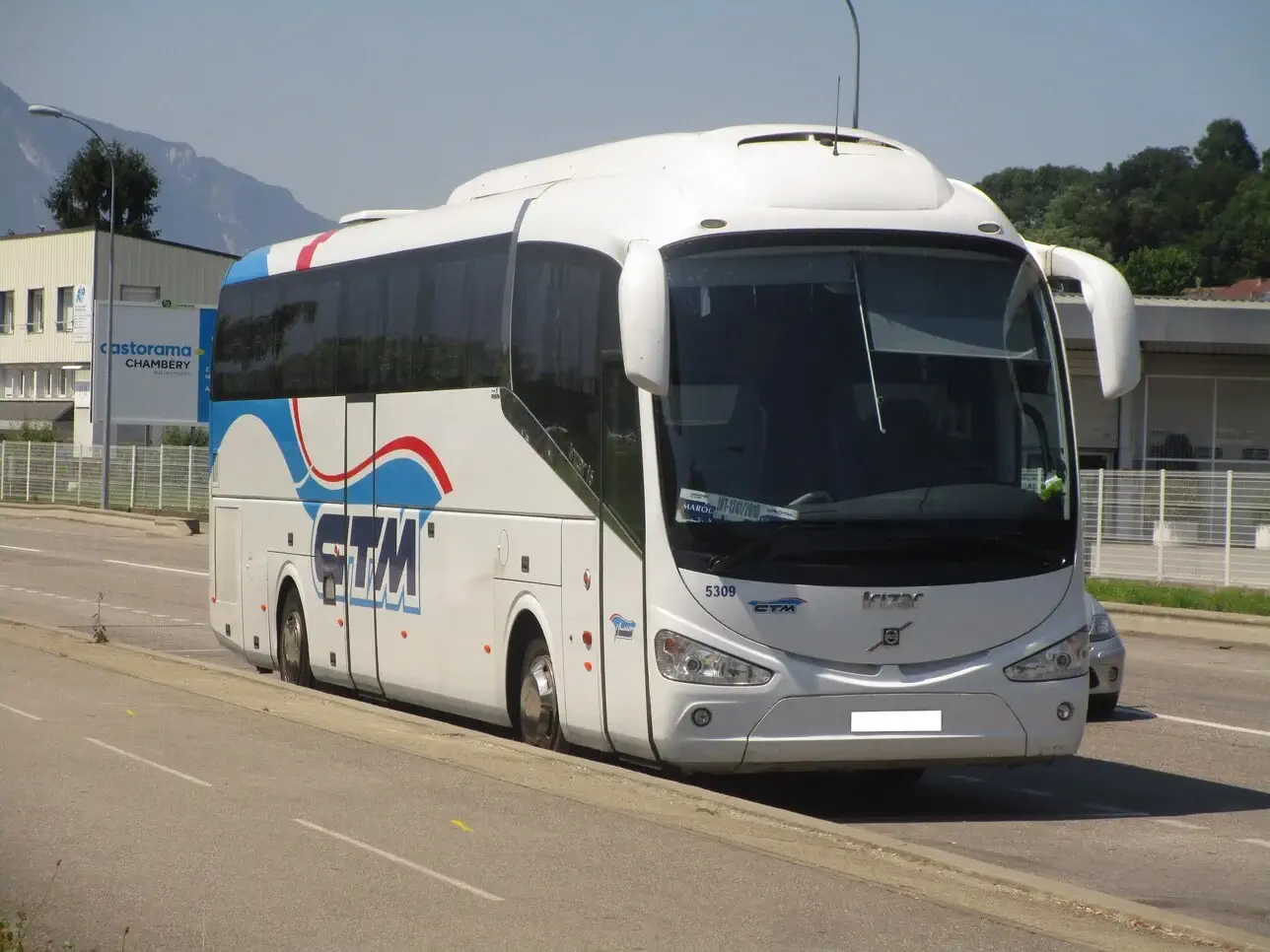
CTM is Morocco’s best-known long-distance bus operator, connecting major cities and destinations such as Marrakech, Casablanca, Fes, Agadir, Essaouira, Chefchaouen, Ouarzazate, and more. For travelers who want direct connections, affordable fares, and a more structured experience than informal road transport, CTM is one of the best options to consider.
This CTM Bus Morocco guide explains how the network works, the most useful routes, how to book tickets, what to expect on board, luggage rules, CTM stations, and how CTM compares with Supratours and Morocco’s trains.
What Is CTM in Morocco?
CTM, short for Compagnie de Transports au Maroc, is Morocco’s long-distance intercity bus company. It has operated since 1919 and has built a large network connecting cities and towns throughout the country.
CTM buses are designed for longer journeys and offer features such as comfortable reclining seats, air conditioning, Wi-Fi on equipped services, USB charging on equipped coaches, and onboard entertainment on supported services.
CTM is not the only long-distance bus operator in Morocco. Supratours, operated by ONCF, is its main competitor, and the two companies overlap on several important routes.
For travelers, the choice often comes down to three things:
- CTM for direct bus connections and extensive road coverage
- Supratours for certain routes that connect naturally with the railway network
- ONCF trains when a faster and more comfortable rail connection is available
CTM Bus Morocco Routes and Prices
One of the biggest advantages of CTM is its extensive network. Buses connect many destinations that are not served directly by Morocco’s railway system.
Some of the most useful routes for travelers include:
| Route | Approx. Journey Time | Typical Fare* |
|---|---|---|
| Marrakech → Casablanca | 3.5–4 hours | 100–130 MAD |
| Marrakech → Fes | 8–9 hours | 160–200 MAD |
| Marrakech → Agadir | Around 3 hours | 80–100 MAD |
| Marrakech → Essaouira | Around 3 hours | 80–100 MAD |
| Casablanca → Tangier | 5–6 hours | 120–150 MAD |
| Casablanca → Agadir | 6–7 hours | 130–160 MAD |
| Fes → Chefchaouen | 4–5 hours | 70–100 MAD |
| Fes → Oujda | Around 5 hours | 110–140 MAD |
| Marrakech → Ouarzazate | Around 4 hours | 90–110 MAD |
| Agadir → Tiznit | Around 1.5 hours | 40–60 MAD |
*Fares and schedules can change. Always check the date-specific price and departure time on the official CTM booking system before traveling. CTM’s current website provides live route searches and booking.
Which CTM routes are especially useful for tourists?
Several routes stand out for Morocco itineraries.
Marrakech to Essaouira is convenient for travelers combining the Red City with Morocco’s Atlantic coast.
Marrakech to Agadir is useful for travelers heading toward the beaches and surf towns of the southwest.
Marrakech to Fes is particularly interesting because CTM can provide a direct road connection between two major tourist cities, while the train journey normally involves a connection.
Fes to Chefchaouen is another important route because Chefchaouen is not served by the national railway.
How to Book CTM Bus Morocco Tickets
Booking your CTM Bus Morocco ticket is straightforward.
CTM currently sells tickets through its website as well as through its physical agencies, CTM stations, and authorized sales partners.
1. Book Online
The easiest option for many international travelers is online booking.
Enter:
- Departure city
- Destination
- Travel date
- Number of passengers
- Preferred departure
Then select the available journey and seat before completing payment.
CTM’s current booking system allows travelers to search available journeys and manage reservations online.
2. Buy at a CTM Station or Agency
You can also purchase tickets directly from CTM agencies and bus stations.
This can be useful if you’re already in Morocco or prefer paying in person. CTM maintains an official directory of its agencies, including locations in Marrakech, Casablanca, Fes, Agadir, Rabat, Tangier, Essaouira, Ouarzazate, and other cities.
3. Should You Book in Advance?
For popular routes, weekends, public holidays, and major Moroccan holiday periods, booking ahead is the safer option.
For less busy routes, same-day booking may be possible, but availability depends on the specific departure.
My recommendation: book at least 24–48 hours ahead when your itinerary depends on a particular bus.
CTM Bus Morocco: What to Expect on Board
Knowing what the journey is like makes the experience much easier, especially if this is your first long-distance bus trip in Morocco.
Comfortable Seats and Air Conditioning
CTM promotes comfortable reclining seats with legroom, and its current onboard services include Wi-Fi and USB charging on equipped coaches.
For longer journeys, however, bring a light jacket. Air conditioning can make buses feel considerably cooler than the temperature outside.
Wi-Fi and USB Charging
Some CTM services provide Wi-Fi and USB charging.
These features are useful for checking maps, messages, or travel information, but don’t rely on onboard Wi-Fi for anything important.
Bring a power bank if you have one.
Rest Stops
Long-distance journeys generally include breaks where passengers can use the toilet, buy drinks, or get something to eat.
For longer journeys, these stops are an important part of the trip, so keep your essentials accessible rather than putting everything in the luggage hold.
CTM Luggage Rules: What Can You Bring?
This is one area where it’s worth checking the official rules before your journey.
CTM’s current conditions state that passengers can transport up to two pieces of checked luggage, with each piece weighing no more than 20 kg and total dimensions not exceeding 170 cm. Baggage transport is charged separately.
When you check luggage, keep the baggage ticket and tags provided by CTM.
Practical luggage tips
- Keep your passport and valuables with you.
- Don’t put medication in checked luggage.
- Keep electronics in your hand luggage.
- Keep your baggage ticket until you collect your suitcase.
- Arrive early if you have checked luggage.
If you have unusually large or heavy luggage, check the applicable supplement with CTM before departure.
How Early Should You Arrive for a CTM Bus?
CTM’s current conditions distinguish between passengers traveling without checked luggage and those checking bags.
- Without checked luggage: arrive at least 15 minutes before departure.
- With checked luggage: arrive at least 30 minutes before departure.
For international travelers unfamiliar with a Moroccan bus station, however, I recommend arriving 30–45 minutes early anyway.
It gives you time to:
- Find the correct station
- Locate your departure platform
- Check your luggage
- Confirm the destination
- Find your seat
- Deal with any last-minute questions
CTM Bus Morocco vs. Supratours
CTM and Supratours are the two names most tourists encounter when researching long-distance buses in Morocco.
| Feature | CTM | Supratours |
|---|---|---|
| Network | Extensive | Extensive |
| Main advantage | Direct road connections | Integration with ONCF network |
| Booking | CTM website/agencies | ONCF/Supratours channels |
| Comfort | Good | Good |
| Best for | Direct intercity routes | Train + bus combinations |
| Alternative | — | Check both for your route |
The better option depends on your exact route, departure time, price, and whether you are combining bus and train travel.
Which should you choose?
Choose CTM if:
- You want a direct connection.
- Your destination isn’t served by train.
- CTM has the most convenient departure.
- You prefer a structured long-distance bus service.
Choose Supratours if:
- It offers a better departure time.
- You’re combining your journey with ONCF trains.
- The price is better for your route.
Don’t automatically assume one is always better. Compare the actual journey before booking.
CTM Bus Morocco vs. Train
For many major city-to-city routes, Morocco’s trains are faster and more comfortable.
The difference becomes particularly important on routes served by Al Boraq, Morocco’s high-speed train.
For example, if you’re traveling between major rail-connected cities, check ONCF before choosing a bus.
But CTM has one major advantage:
CTM reaches destinations that trains don’t.
Places such as Essaouira, Chefchaouen, Agadir, and Ouarzazate require road transport.
That’s where CTM becomes particularly useful.
For example, if you’re traveling from Marrakech to Fes, a direct CTM bus avoids changing trains in Casablanca, even though the train may be faster overall.
Our detailed Morocco Train Travel Guide explains the rail network and the main routes.
CTM Bus Stations in Morocco
One mistake first-time visitors make is assuming the CTM station is always the same place as the train station.
It isn’t.
CTM has its own agencies and stations, and the location varies by city.
Marrakech
CTM’s official agency directory lists its Marrakech location on Boulevard Aboubaker Seddik and Zineb Nefzaouia.
Casablanca
CTM lists several Casablanca locations, including its agency on Rue Léon Africain and another in Maarif.
Fes
The CTM Atlas station is listed opposite the Tribunal de Première Instance.
Rabat
CTM lists its Rabat location at the city’s municipal bus station.
Tangier
CTM’s official directory lists its Tangier location in the Mghougha area on the Route de Tétouan.
Always check your ticket and the current CTM station information before leaving for the bus.
7 Easy Tips for CTM Bus Morocco Travel
1. Book popular routes early
Weekend departures and holiday periods can be busy.
If your itinerary depends on a specific departure, don’t leave booking until the last minute.
2. Arrive early
Even though CTM’s official minimum is 15–30 minutes depending on luggage, arriving 30–45 minutes early makes the process much less stressful.
3. Keep your luggage tag
If you put luggage in the hold, keep the baggage documentation until you collect your bag.
4. Carry snacks and water
CTM buses do not replace a full meal service. For a four-to-nine-hour journey, bring water and something to eat.
5. Bring a light jacket
The air conditioning can make the bus surprisingly cold.
6. Keep important items with you
Passport, money, electronics, medication, and other valuables should stay in your hand luggage.
7. Check the exact departure before traveling
Routes, times, prices, and availability can change. The official CTM booking system is the best place to confirm your specific journey.
Can You Change or Cancel a CTM Ticket?
This is an important detail that many older travel guides get wrong.
CTM’s current conditions state that tickets can be modified subject to availability when the request is made at least 12 hours before departure. The rules and fees depend on whether the ticket includes CTM Flex.
CTM Flex provides more flexible refund and modification conditions, while standard tickets have more restrictive refund rules.
If your travel plans aren’t completely fixed, check the conditions attached to your ticket before purchasing.
Is CTM Bus Morocco Safe?
For tourists, CTM is one of the more structured ways to travel between Moroccan cities.
The important thing is to follow normal long-distance travel precautions:
- Keep valuables with you.
- Wear your seat belt.
- Don’t leave important belongings unattended.
- Keep your luggage tag.
- Follow the driver’s and staff’s instructions.
CTM’s official safety guidance requires passengers to wear seat belts and follow onboard safety instructions.
Is CTM Bus Morocco Worth It?
For many travelers, yes.
CTM makes the most sense when you need a direct connection between cities, when your destination isn’t served by rail, or when the bus departure is considerably more convenient than the train.
It’s particularly useful for destinations such as Essaouira, Agadir, Chefchaouen, and Ouarzazate.
For major routes where a fast train is available, however, compare both options before booking.
My simple rule:
Train when the train is significantly faster.
CTM when the direct bus is more convenient or reaches a destination the train doesn’t.
That simple approach will work for most Morocco itineraries.
Final Thoughts
CTM Bus Morocco is one of the most useful transport options for exploring the country beyond the railway network.
It combines a large intercity network with online booking, dedicated agencies, comfortable coaches, and practical services that make long-distance travel relatively straightforward.
The key is to choose the right route, check the current schedule and fare before booking, arrive early, understand the luggage rules, and keep your important belongings with you.
For your Morocco itinerary, don’t think of CTM and trains as competing systems. Use them together.
Take the train when rail is faster and more convenient. Use CTM when you need a direct road connection or want to reach places the railway doesn’t serve.
For more transport planning, read our Morocco Train Travel Guide, Marrakech to Fes Transport Guide, and Morocco Taxi Guide.
For official schedules, prices, stations, and booking, always check CTM Morocco before your journey.