
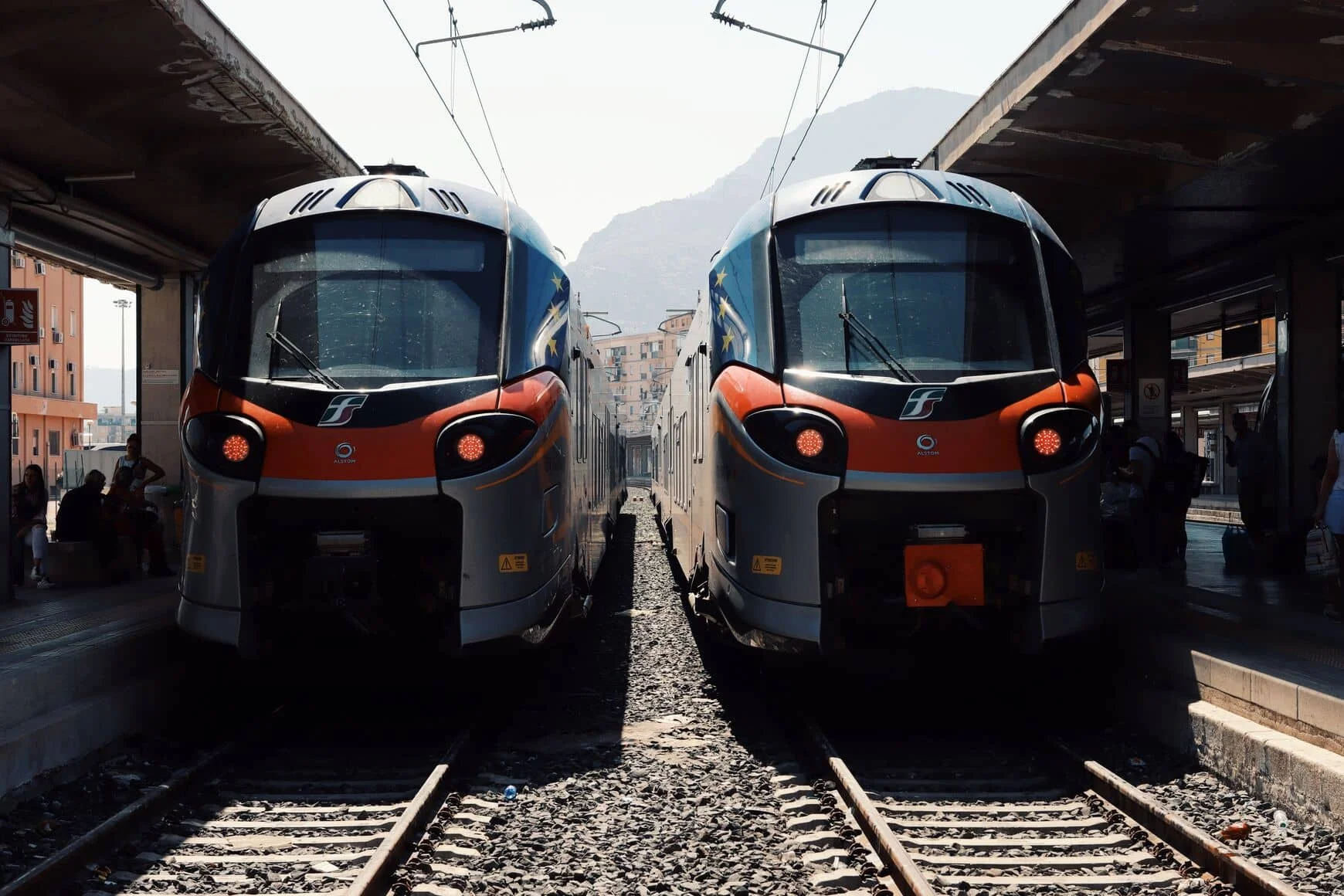
Morocco Train Travel Guide: Routes, Tickets, and Essential Tips for 2026
Morocco has one of the finest train networks in Africa, and for travelers moving between the country’s major cities, the train is almost always the best option — comfortable, reliable, affordable, and scenic in ways that buses and private transfers simply cannot match. If you are planning to travel between Casablanca, Marrakech, Fes, Rabat, Tangier, or Meknes, Morocco train travel should be your first choice.
This guide covers everything you need to know about Morocco train travel in 2026 — the network and routes, ticket prices, how to book, the classes of service available, the revolutionary Al Boraq high-speed train, and the practical tips that make the difference between a smooth journey and a frustrating one.
The ONCF Network: Morocco’s National Railway
Morocco train travel is operated by ONCF (Office National des Chemins de Fer), the national railway company. The ONCF network covers the major cities of northern and central Morocco and has been significantly modernized and expanded over the past decade, culminating in the launch of the Al Boraq high-speed line between Tangier and Casablanca in 2018 — the first high-speed railway in Africa.
The core ONCF network for Morocco train travel connects:
- Tangier in the north
- Rabat (the capital)
- Casablanca (the economic capital and main hub)
- Fes (the cultural capital)
- Meknes
- Marrakech in the south
- Oujda in the northeast
- El Jadida and Safi on the Atlantic coast
Notably absent from the Morocco train travel network are Chefchaouen, Agadir, Ouarzazate, Merzouga, and the Sahara region — these destinations are served only by road. For travelers heading to the desert or the Rif Mountains, train travel covers the main urban circuit and buses or private transfers complete the journey.
The Al Boraq High-Speed Train
The most significant development in Morocco train travel in recent years is the Al Boraq (meaning “lightning” in Arabic, a reference to the winged horse of Islamic tradition) high-speed train operating between Tangier and Casablanca.
The Al Boraq reduced the Tangier to Casablanca journey time from approximately five hours to just two hours and ten minutes, transforming Morocco train travel on this corridor and making Tangier — previously somewhat isolated from the rest of Morocco’s tourist circuit — a genuinely accessible destination for travelers flying into Casablanca.
Al Boraq Key Facts:
- Route: Tangier Ville → Kénitra → Rabat Agdal → Casablanca Voyageurs
- Maximum speed: 320 km/h
- Journey time: Tangier to Casablanca in 2 hours 10 minutes
- Ticket price: approximately 290–350 MAD for second class, 450–550 MAD for first class
- Frequency: Multiple departures daily in each direction
- Booking: Advance booking strongly recommended, available at oncf-voyages.ma
The Al Boraq is a genuinely impressive piece of infrastructure and the Morocco train travel experience it offers — smooth, quiet, modern, and fast — rivals anything available in Europe. The trains are equipped with comfortable reclining seats, air conditioning, power sockets, and a café car.
Key Morocco Train Travel Routes and Journey Times
Casablanca to Marrakech
This is the most traveled Morocco train travel route for tourists, linking Morocco’s largest city with its most visited destination. Multiple departures daily. Journey time approximately 3 hours. Second class approximately 100–130 MAD. First class approximately 170–200 MAD.
Casablanca to Fes
A key Morocco train travel route for travelers combining the Atlantic coast with Morocco’s cultural capital. Journey time approximately 3.5 hours. Second class approximately 100–120 MAD. First class approximately 160–180 MAD. Frequency: multiple departures daily.
Casablanca to Rabat
The shortest and most frequent Morocco train travel route, running approximately every 30 minutes throughout the day. Journey time approximately 1 hour. Second class approximately 55–70 MAD. The Al Boraq also serves this route.
Casablanca to Tangier (Al Boraq)
Via the high-speed line. Journey time 2 hours 10 minutes. Second class approximately 290–350 MAD. Departures several times daily.
Fes to Meknes
A short and convenient Morocco train travel connection between these two imperial cities. Journey time approximately 45 minutes. Second class approximately 25–35 MAD. Frequent departures throughout the day.
Fes to Oujda
Serving Morocco’s northeastern city near the Algerian border. Journey time approximately 4.5 hours. Second class approximately 100–130 MAD.
Marrakech to Fes
There is no direct Morocco train travel connection between Marrakech and Fes. Travelers must change at Casablanca Voyageurs, making the total journey approximately 6.5 to 7.5 hours. See our complete Marrakech to Fes transport guide for all options.
Classes of Service on Morocco Trains
Morocco train travel offers two main classes of service on most routes, with a third option on the Al Boraq.
Second Class (2ème Classe)
The standard class of Morocco train travel, equivalent in comfort to a good European second class. Seats are comfortable and well-maintained with adequate legroom. Compartments are either open-plan or divided into six-seat enclosed sections. Air conditioning is provided on all intercity trains. Second class is the recommended choice for most travelers — the price difference versus first class rarely justifies the upgrade for journeys under three hours.
First Class (1ère Classe)
Morocco train travel first class offers wider seats, a quieter environment, and slightly more legroom than second class. On longer journeys (Marrakech to Casablanca, Casablanca to Fes), the additional comfort is more noticeable and the price premium — typically 50–60 percent more than second class — may be worth it for travelers who value personal space.
Business Class (Al Boraq)
The Al Boraq high-speed train offers a business class option with wider seats, enhanced meal service, and priority boarding. Tickets cost approximately 650–800 MAD and represent a premium that most budget and mid-range travelers will not find necessary given the short journey times.
How to Book Morocco Train Tickets
Morocco train travel tickets can be purchased through several channels, each with advantages and disadvantages.
Online at oncf-voyages.ma
The official ONCF website allows advance booking of Morocco train travel tickets for all routes including the Al Boraq. The website is available in French and Arabic (less commonly in English) but is navigable with patience or the use of a browser translation tool. Payment is by international credit or debit card. Booking in advance is strongly recommended for the Al Boraq and for Friday and Sunday travel on the Marrakech-Casablanca route.
At train stations
Tickets can be purchased at the ticket windows (guichets) of any ONCF station. For Morocco train travel on less popular routes, same-day purchase is usually possible without difficulty. For the Al Boraq and popular intercity routes during peak periods, queues at ticket windows can be long and tickets may sell out. The automated ticket machines available at larger stations can speed up the process.
Through travel agents in Morocco
Many travel agencies in Marrakech, Fes, and other tourist centers sell ONCF tickets and can assist with route planning. A small commission is typically charged.
On board
Boarding a Morocco train without a ticket and paying the conductor is technically possible on some routes but results in a surcharge (typically 10–20 percent above the standard fare) and may not be possible on the Al Boraq, where advance booking is effectively mandatory.
Practical Tips for Morocco Train Travel
Validate your ticket before boarding. ONCF tickets must be stamped (composted) at the validation machines on the platform before you board. Failure to validate can result in a fine from the conductor. The machines are small, yellow, and located near the platform entrance — look for them before boarding.
Arrive early at busy stations. Casablanca Voyageurs, Marrakech, and Fes stations can be busy, particularly on Friday afternoons and Sunday evenings when Moroccan families travel between cities. Arrive at least 20 minutes before your train departs.
Watch your luggage. Morocco train travel is generally very safe, but keep bags within sight and do not leave valuables unattended, particularly in compartments when you leave your seat.
The café car. Most intercity Morocco trains include a café car (voiture restaurant) serving snacks, sandwiches, coffee, and soft drinks at reasonable prices. However, bringing your own food and water is always a good idea for longer journeys.
Platform numbers. Platform (voie) assignments in larger stations are sometimes not posted until shortly before departure. Check the departures board frequently and be ready to move quickly to the correct platform when it is announced.
Night trains. ONCF operates overnight sleeper services on some long-distance routes, including Tangier to Marrakech. These trains include couchette compartments with fold-down sleeping berths. A couchette berth costs approximately 50–80 MAD more than a standard second class seat and allows you to save a night’s accommodation cost while covering a long distance. Advance booking is essential.
Morocco Train Travel vs. Bus vs. Private Transfer
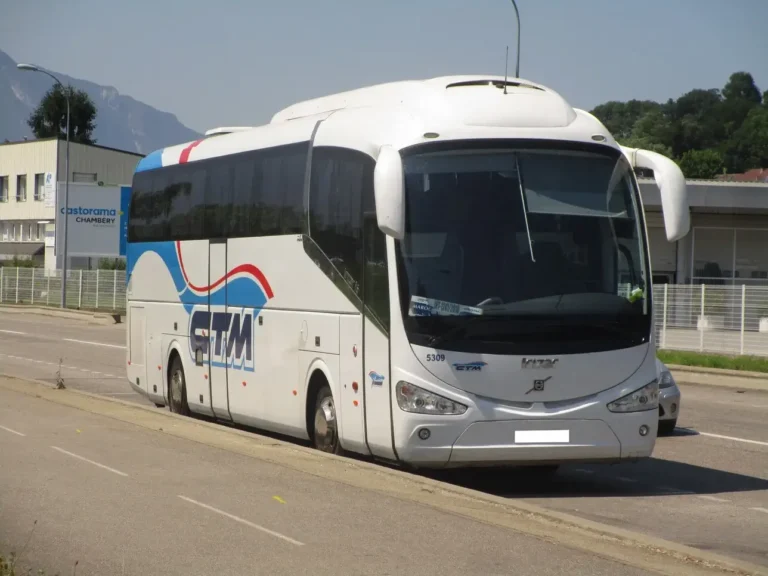
For the routes the train serves, Morocco train travel is almost always the best option for travelers who value comfort and reliability. Compared to CTM and Supratours buses, the train is faster on most routes (particularly with the Al Boraq), more comfortable, easier to board and disembark in city centers, and offers more flexibility with frequent departures throughout the day.
The main advantage of buses over Morocco train travel is the direct connection — buses run directly between cities like Marrakech and Fes that require a train change, and buses serve cities like Chefchaouen and Agadir that the train does not reach at all.
Private transfers offer comfort and flexibility that neither Morocco train travel nor buses can match, but at significantly higher cost. For groups of three or more, the per-person cost of a private transfer becomes more competitive.
Getting to and from Morocco Train Stations
Morocco’s major train stations are generally well-located, but not always within walking distance of the medinas where most travelers stay.
Marrakech: Gare de Marrakech is approximately 2 kilometers from Djemaa el-Fna. Petit taxis to the medina cost 20–30 MAD and are abundant outside the station entrance.
Fes: Gare de Fes is approximately 2 kilometers from Bab Bou Jeloud, the main entrance to the medina. Petit taxis cost 20–30 MAD.
Casablanca: Casa Voyageurs is the main Morocco train travel hub for long-distance services. The city center and Casa Port station (for the Corniche and central areas) are accessible by local train from Casa Voyageurs.
Rabat: Rabat Ville station is conveniently located in the heart of the city, within easy walking distance of the medina and most hotels.
Tangier: Tangier Ville station (for the Al Boraq) is approximately 4 kilometers from the medina. Taxis and local buses connect the station to the city center.
Final Thoughts
Morocco train travel is one of the genuine pleasures of visiting the country. The trains are comfortable, the network covers the main cities efficiently, the prices are fair, and the experience of watching Morocco’s landscapes roll past the window — the plains around Casablanca giving way to the hills around Meknes, the river valleys approaching Fes — is one of the finest ways to understand the country’s geography and scale.
Book in advance for busy routes and peak periods, validate your ticket before boarding, and enjoy one of Africa’s most impressive rail networks.
For more Morocco transport planning, read our complete Marrakech to Fes transport guide and our Morocco trip cost breakdown to budget your journey accurately. For timetables and online booking, visit ONCF.

8 Comments