
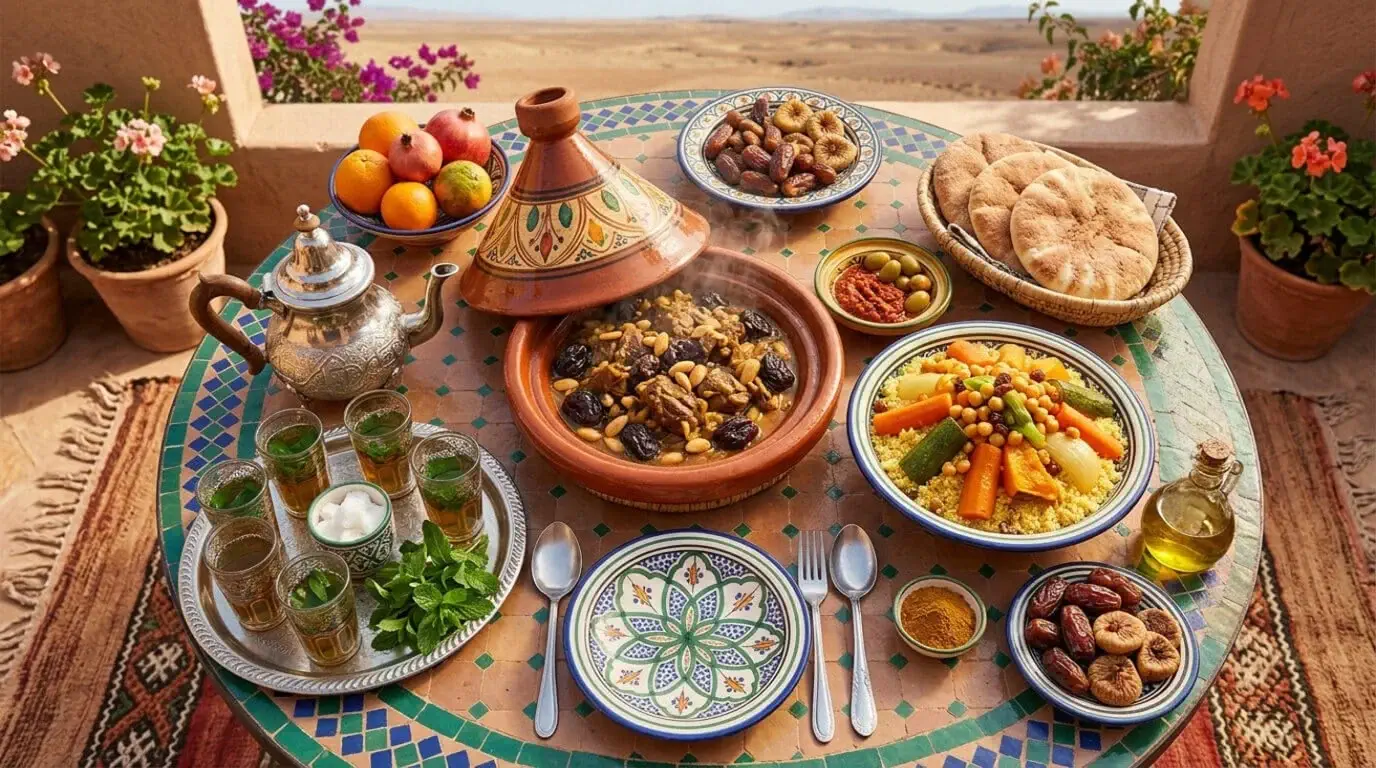
10 Traditional Moroccan Dishes You Must Try (And Where to Find Them)

Moroccan cuisine is one of the most celebrated in the world, and for good reason. Built on centuries of Berber, Arab, Andalusian, and Mediterranean influences, the food of Morocco is a symphony of bold spices, slow-cooked meats, and fresh ingredients that tell the story of the country itself. Whether you’re sitting in a rooftop restaurant in Marrakech or sharing a meal in a family home in Fes, traditional Moroccan dishes have a way of making every meal feel like a special occasion.
If you’re planning a trip to Morocco, here are the 10 traditional Moroccan dishes you absolutely must try — and exactly where to find them at their best.
1. Tagine — The Icon of Moroccan Cooking
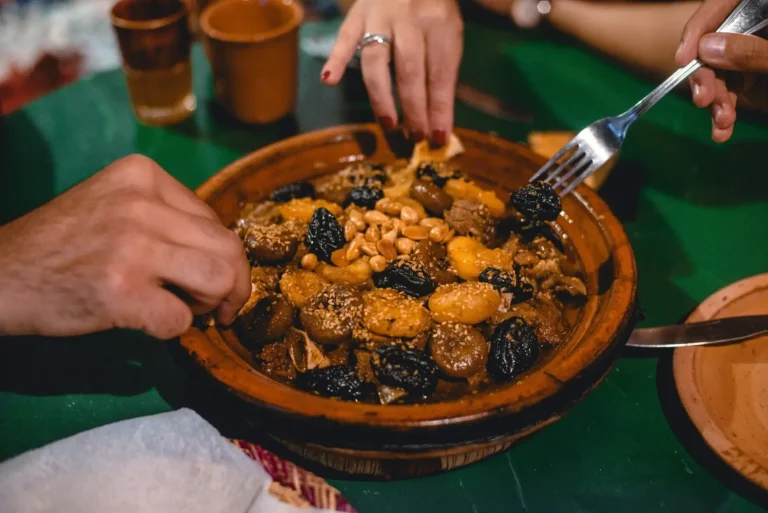
No list of traditional Moroccan dishes to try would be complete without tagine. Named after the conical clay pot it’s cooked in, tagine is a slow-cooked stew that can be made with lamb, chicken, beef, or vegetables. The magic lies in the spices — a blend of cumin, turmeric, ginger, cinnamon, and saffron — combined with preserved lemons, olives, or dried fruit that creates a depth of flavor unlike anything else.
The most classic versions include chicken with preserved lemon and olives, and lamb with prunes and almonds. Tagine is eaten with freshly baked khobz bread, used to scoop up the stew directly from the pot.
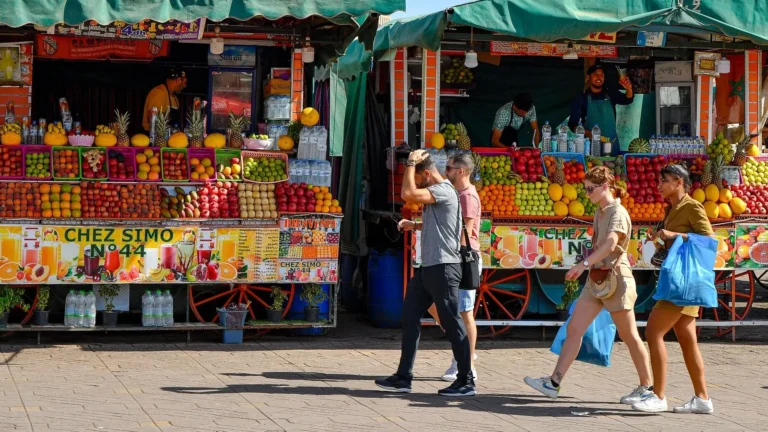
Where to try it: Almost everywhere in Morocco, but for the best experience, seek out a local restaurant away from the main tourist squares. In Marrakech, the side streets off Djemaa el-Fna hide dozens of family-run restaurants serving authentic tagine for 60–120 MAD.
2. Couscous — Friday’s Sacred Dish
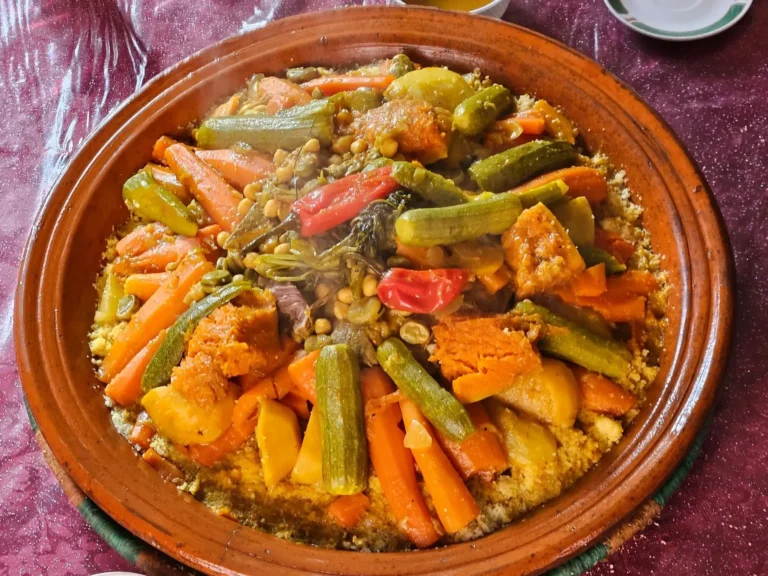
Couscous is more than just food in Morocco — it’s a cultural institution. Traditionally served on Fridays after midday prayers, couscous is a dish that brings families together. Steamed semolina grains are piled high and topped with slow-cooked vegetables (carrots, turnips, courgettes, chickpeas) and a choice of meat, all drizzled with a rich broth.
The texture of properly prepared Moroccan couscous is incomparable — light, fluffy, and never clumpy, achieved by steaming the grains multiple times over a bubbling pot of stew.
Where to try it: For the most authentic experience, try to be invited to a Moroccan home on a Friday — this is when couscous is at its finest. Alternatively, many traditional restaurants serve it on Fridays, particularly in Fes and Meknes.
3. Pastilla — Morocco’s Sweet and Savory Masterpiece
Pastilla (also spelled bastilla or b’stilla) is one of the most unique dishes in Moroccan cuisine and a true test of the country’s culinary sophistication. It’s a large pie made from wafer-thin layers of warqa pastry filled with slow-cooked pigeon or chicken, eggs, and almonds, then dusted with powdered sugar and cinnamon.
The combination of sweet, savory, and crunchy in a single bite is extraordinary. Pastilla is traditionally served at weddings and special occasions, which tells you everything about how Moroccans feel about it.
Where to try it: Fes is the spiritual home of pastilla. Look for it in traditional restaurants in the medina, where it’s often served as a starter for groups. Expect to pay 80–150 MAD per portion.
4. Harira — The Soup That Breaks the Fast
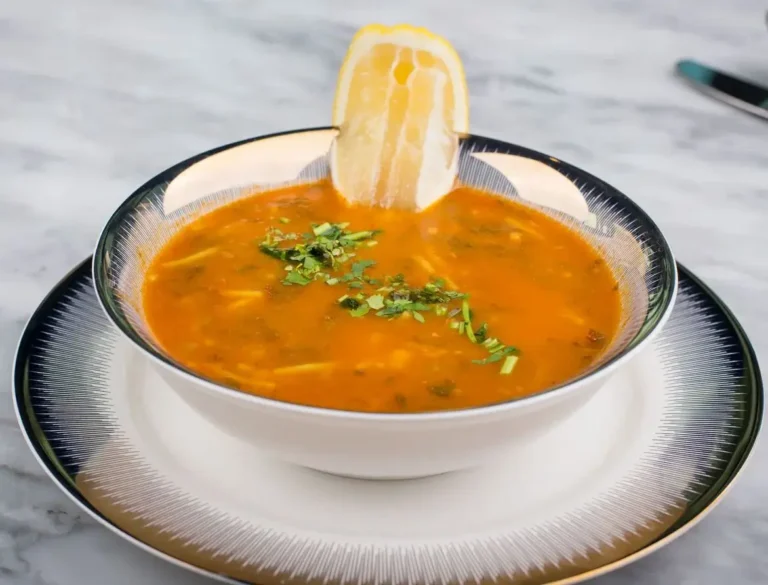
Harira is a thick, hearty soup made from tomatoes, lentils, chickpeas, fresh herbs (cilantro and parsley), and a touch of lemon. It’s Morocco’s most beloved comfort food and holds deep cultural significance as the dish traditionally eaten to break the fast during Ramadan.
But harira isn’t just for Ramadan — it’s served year-round, often accompanied by chebakia (honey-drenched sesame pastries), dates, or hard-boiled eggs. A bowl of harira in the late afternoon, as the light turns golden over the medina, is one of Morocco’s simple but unforgettable pleasures.
Where to try it: Street food stalls throughout Morocco serve harira from large pots, particularly in the early evening. A bowl costs as little as 5–10 MAD, making it one of the best value meals in the country.
5. Mechoui — Slow-Roasted Lamb
Mechoui is whole lamb slow-roasted in a clay oven until the meat is so tender it falls off the bone at the touch of a finger. The outside develops a deep, golden crust while the inside remains incredibly juicy. It’s seasoned simply — cumin, salt, and butter — allowing the quality of the meat to speak for itself.
Mechoui is a dish of celebration in Morocco, often prepared for weddings, festivals, and large family gatherings. In some medinas, you’ll find dedicated mechoui stalls where the lamb is carved fresh and sold by weight.
Where to try it: The mechoui stalls in Djemaa el-Fna in Marrakech are famous worldwide. You can also find excellent mechoui in the medina of Fes, sold by weight (around 120–180 MAD per kilogram).
6. Moroccan Mint Tea — The Drink of Hospitality
While technically a drink rather than a dish, Moroccan mint tea is so central to the food culture of Morocco that no list would be complete without it. Made from Chinese gunpowder green tea, fresh spearmint leaves, and a generous amount of sugar, Moroccan mint tea is poured from a height to create a frothy top and served in small decorated glasses.
In Morocco, being offered tea is an act of hospitality — refusing it is considered impolite. The tea ceremony itself is an art form, performed slowly and deliberately as a sign of respect for guests.
Where to try it: Everywhere — from grand riads to roadside cafés. A glass of mint tea costs 5–15 MAD, and the experience is always the same: warm, generous, and deeply Moroccan.
7. Msemen and Meloui — Moroccan Flatbreads
Moroccan breakfasts are built around flatbreads, and msemen and meloui are the two most beloved varieties. Msemen is a square, layered flatbread made from semolina and flour, pan-fried until golden and crispy on the outside while remaining soft and flaky inside. Meloui is similar but round and more tightly rolled.
Both are traditionally eaten for breakfast or as a snack, served warm with argan oil and honey, or spread with amlou — a thick paste made from toasted almonds, argan oil, and honey that is absolutely addictive.
Where to try it: Street food vendors throughout Morocco make fresh msemen throughout the morning. A piece costs 2–5 MAD. For the full breakfast experience, order a spread at any traditional café.
8. Zaalouk — Smoky Eggplant Dip
Zaalouk is a Moroccan cooked salad (served as a side dish or starter) made from roasted eggplant and tomatoes, seasoned with cumin, paprika, garlic, olive oil, and fresh herbs. The eggplant is first roasted or charred to develop a smoky flavor, then roughly mashed with the other ingredients into a thick, deeply flavored dip.
Zaalouk is served at room temperature alongside bread and is one of several traditional Moroccan salads that typically accompany a main meal. It’s one of those dishes that seems simple but is impossible to stop eating.
Where to try it: Zaalouk is served as part of a traditional Moroccan meal in most local restaurants. It’s also commonly made at home — if you take a cooking class in Morocco, zaalouk will almost certainly be on the menu.
9. Kefta — Spiced Moroccan Meatballs
Kefta refers to seasoned ground meat — usually beef or lamb — mixed with a blend of spices including cumin, paprika, coriander, and fresh herbs. It’s incredibly versatile: kefta can be grilled on skewers as street food, simmered in a tomato sauce with eggs (kefta mkaouara), or stuffed inside sandwiches with harissa and salad.
The kefta tagine with eggs and tomatoes is a particular highlight — a bubbling clay pot of spiced meat in rich tomato sauce with eggs cracked on top, served with crusty bread for dipping. It’s the kind of dish that makes you understand why Moroccan food has such a devoted following worldwide.
Where to try it: Kefta skewers are grilled fresh at street food stalls throughout Morocco, particularly in Djemaa el-Fna in the evening. A skewer costs 10–20 MAD. For kefta tagine, seek out local restaurants in any Moroccan medina.
10. Chebakia — Honey and Sesame Pastry
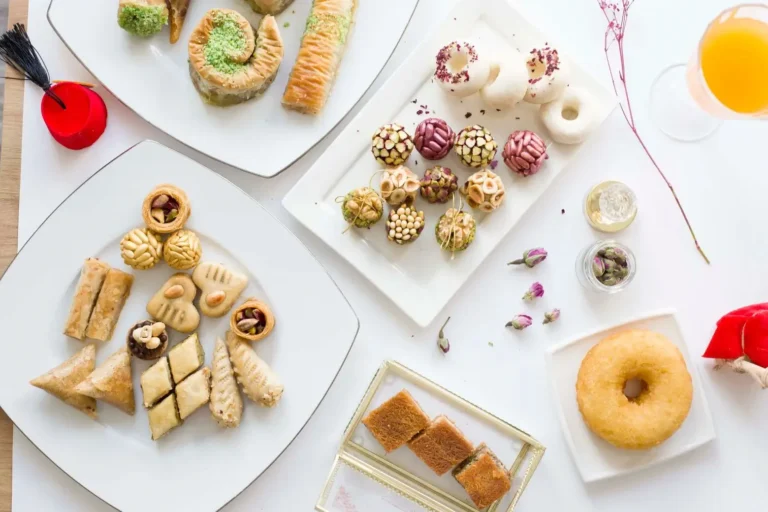
Chebakia is a deep-fried sesame pastry flavored with orange blossom water, anise, and cinnamon, then dipped in warm honey and rolled in sesame seeds. The result is sticky, sweet, fragrant, and incredibly moreish. Like harira, chebakia is especially associated with Ramadan, though it’s available year-round in pastry shops throughout Morocco.
Making chebakia is an art — the dough is folded into an intricate rose shape before frying, and entire families spend days making batches in preparation for Ramadan. Buying a box of chebakia from a local pastry shop is one of the best edible souvenirs you can bring home from Morocco.
Where to try it: Pastry shops (hanouts) throughout Morocco sell chebakia by weight, typically 80–120 MAD per kilogram. In Fes and Meknes, you’ll find some of the best.
Final Thoughts
Moroccan cuisine rewards the curious traveler. The best traditional Moroccan dishes to try aren’t found in tourist menus or hotel restaurants — they’re discovered in family-run stalls, neighborhood cafés, and the kitchens of people who have been making the same recipes for generations. Come hungry, come open-minded, and let the food of Morocco surprise you at every turn.
Planning a trip? Check out our 3 Days in Marrakech itinerary
10 Comments