
What to Pack for Morocco: The Essential 2026 Packing List for Every Season
What to pack for Morocco is one of the most searched questions among travelers planning their first trip — and one of the most poorly answered. Most packing lists either over-pack (suggesting you bring things you will never need) or miss the cultural nuances that make Morocco genuinely different from other destinations in terms of clothing choices.
This guide gives you an honest, practical, season-by-season answer to what to pack for Morocco, based on the realities of traveling across a country that contains snow-capped mountains, Sahara desert, Atlantic coast, and medieval medinas — sometimes within the same week.
The Golden Rules of Packing for Morocco
Before the lists, three principles that should govern everything you pack for Morocco:
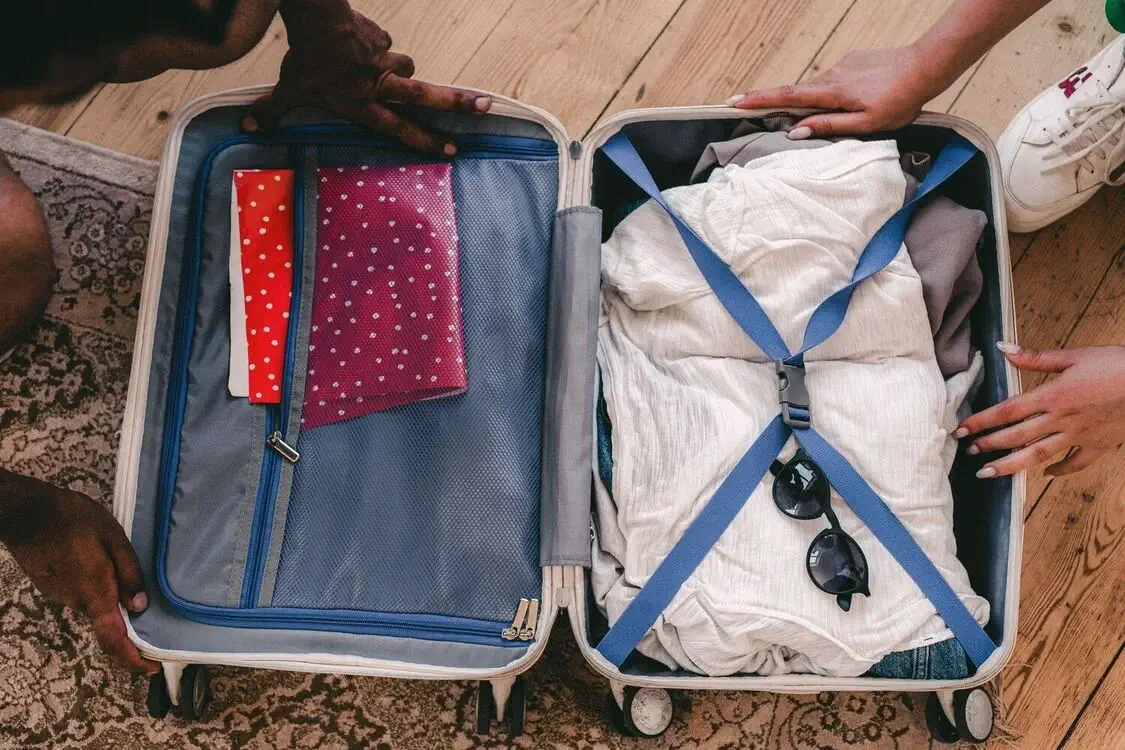
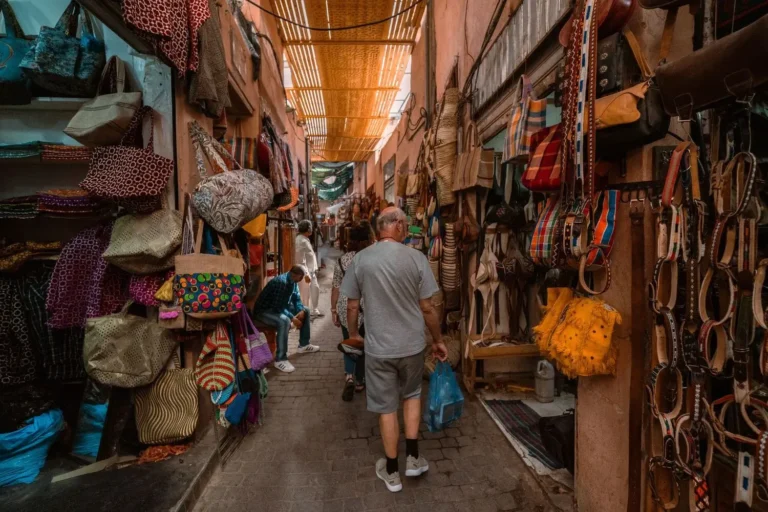
Pack light. Morocco’s medinas are navigated on foot over uneven cobblestone streets. Hauling a large suitcase through the narrow alleys of Fes or Marrakech is genuinely miserable. A carry-on sized bag or medium backpack is ideal for most Morocco trips.
Pack modestly. Morocco is a predominantly Muslim country. Dressing respectfully — covering shoulders and knees in medinas, at religious sites, and in smaller towns — reduces unwanted attention, demonstrates cultural respect, and makes the overall experience significantly more comfortable for both you and the people you meet. This applies to both men and women.
Pack in layers. Morocco’s climate varies dramatically by region, altitude, and season. What works in Marrakech in April may be inadequate in the Atlas Mountains and excessive on the Essaouira coast. Layering is the solution.
What to Pack for Morocco: Clothing by Season
Spring (March to May)
Spring is the finest season for Morocco travel and requires the most versatile packing.
Women:
- 2–3 lightweight linen or cotton shirts (long-sleeved or easily layered)
- 1–2 loose-fitting trousers or maxi skirts (knee length minimum for medinas)
- 1 lightweight cardigan or wrap (for cool evenings and mosque visits)
- 1 light jacket or windbreaker (for Atlas day trips and Essaouira wind)
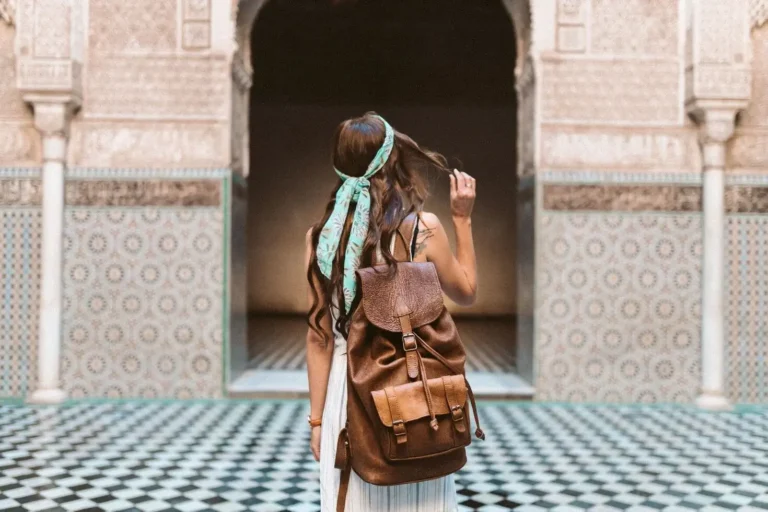
- 1 scarf (essential — doubles as headcover, sun protection, and light layer)
- Comfortable walking shoes (closed toe, broken in before the trip)
- 1 pair of sandals (for riad courtyards and evenings out)
- Swimsuit (for hotel pools and beach destinations like Essaouira and Agadir)
Men:
- 2–3 lightweight shirts (long or short sleeved)
- 1–2 pairs of lightweight trousers (avoid shorts in medinas — they attract more attention and are less respectful)
- 1 light jacket or fleece
- Comfortable walking shoes
- 1 pair of sandals for evenings
For both: A pair of slip-on shoes or sandals for riads, where shoes are typically removed at the door.
Summer (June to August)
Summer in Morocco means intense heat in inland cities (Marrakech and Fes can exceed 40°C) balanced by the constant Atlantic wind in coastal destinations.
What to pack for Morocco in summer: The lightest natural fabrics you own. Linen and lightweight cotton breathe in the heat; synthetic fabrics trap it. The modesty requirements remain — covering up is non-negotiable in the medina regardless of the temperature.
- Loose-fitting linen shirts and trousers in light colors
- A scarf for sun protection (also useful in the souks where shade is scarce)
- Strong sunscreen (SPF 50 minimum) — this is what to pack for Morocco summers above all else
- A reusable water bottle — staying hydrated in 40°C heat is critical
- For coastal destinations: swimwear and a light windproof layer for Essaouira evenings
What to leave behind in summer: Heavy layers, thick jackets, anything dark-colored (absorbs heat), and synthetic fabrics.
Autumn (September to November)
Autumn mirrors spring in terms of packing requirements — comfortable temperatures, dramatic light, and the need for light layers.
- Similar clothing to spring with the addition of a slightly warmer jacket for October and November evenings
- Waterproof layer useful from October onward when rain becomes more possible
- For Atlas Mountain day trips in November: warm fleece and waterproof boots
Winter (December to February)
Winter in Morocco is genuinely cold in the Atlas Mountains and the northern cities (Fes, Chefchaouen) and mild but cool in Marrakech, Agadir, and the coast.
What to pack for Morocco in winter:
- A proper warm jacket (down or synthetic fill)
- Warm layers including a fleece or wool mid-layer
- Waterproof outer shell (rain is common in winter)
- Warm scarf and hat for northern cities and mountain areas
- Waterproof walking boots for Atlas trekking
- Thermal base layers if visiting the mountains
What to pack for Morocco’s winter coast: The beach destinations (Agadir, Essaouira) remain mild in winter — daytime temperatures of 18–22°C are common — requiring only light layers rather than full winter gear.
Essential Non-Clothing Items to Pack for Morocco
Health and Hygiene
- Hand sanitizer and a small travel pack of tissues (useful in public toilets)
- Rehydration salts (for stomach issues — a common first-timer experience)
- Imodium or equivalent anti-diarrheal medication
- Altitude sickness medication (acetazolamide) if planning Atlas Mountain trekking above 3,000 meters — consult a doctor before departure
- Sun protection: SPF 50 sunscreen, UV-blocking sunglasses, wide-brimmed hat
- Insect repellent (useful in summer evenings and desert camps)
- Your regular prescription medications in adequate supply — specific medications may be difficult to source in smaller Moroccan cities
Technology
- Universal travel adapter (Morocco uses European Type C and E sockets)
- Portable power bank — long days of navigation and photography drain phone batteries quickly
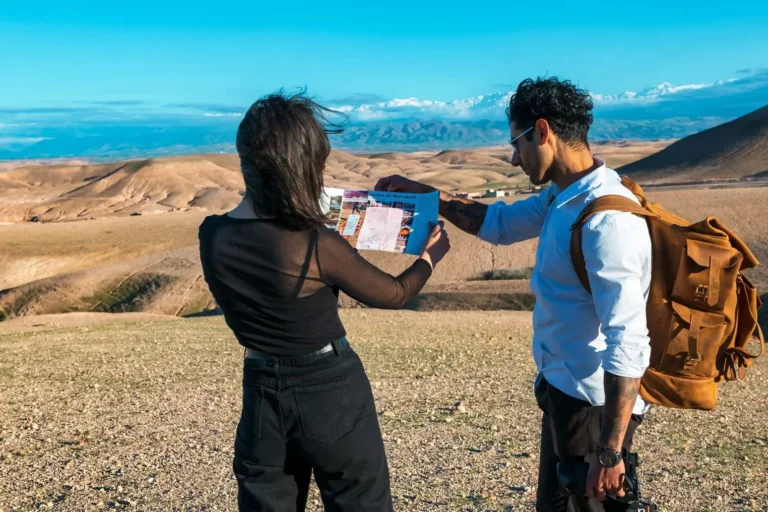
- Offline maps downloaded before arrival (Google Maps allows offline downloads — essential in medinas where mobile data can be unreliable)
- Headphones for long train and bus journeys
Documents and Money
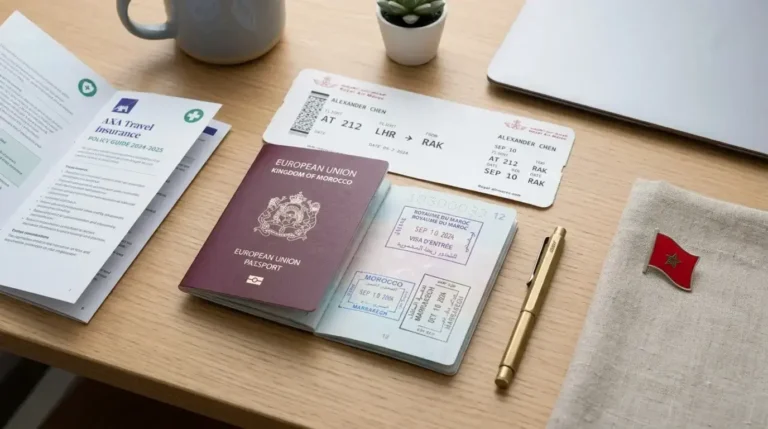
- Passport (valid for at least six months beyond your travel dates)
- Travel insurance documents (both digital and printed copies)
- Emergency contact information and copies of key documents stored separately from originals
- Cash in Moroccan dirhams — while ATMs are widely available in cities, carrying sufficient cash is essential for souks, smaller towns, tips, and public transport
- An international bank card that does not charge foreign transaction fees
Practical Travel Items
- A lightweight daypack for day excursions (separate from your main luggage)
- A small padlock for hostel lockers or riad room doors
- A headlamp or small torch (useful in medinas at night and essential for desert camps)
- A reusable shopping bag (useful in markets)
- A small first aid kit (plasters, antiseptic wipes, pain relief)
What to Pack for a Sahara Desert Trip
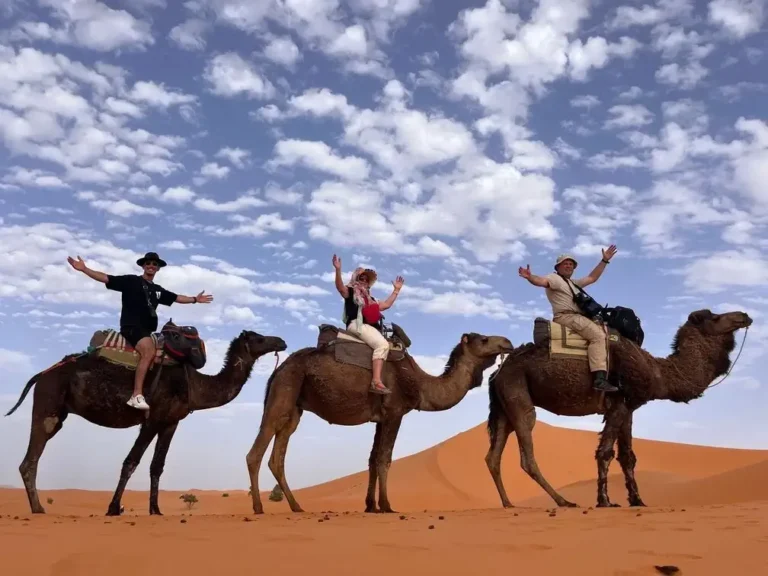
If your Morocco itinerary includes a Sahara desert tour — and it should — additional items are essential:
- A warm layer or sleeping bag (desert nights are surprisingly cold even in summer)
- A scarf or shemagh to wrap around your face against sand and wind
- Closed shoes for camel riding (sandals do not protect against sand in stirrups)
- Lip balm and moisturizer (desert air is extremely dry)
- A camera with extra batteries (phone cameras drain quickly in cold desert nights)
What to Pack for Atlas Mountain Hiking
For any atlas mountains hiking, even day trips from Marrakech:
- Sturdy walking shoes or trail runners (not sandals)
- Warm layers including a fleece — temperature drops significantly with altitude
- Waterproof outer layer (mountain weather changes rapidly)
- Trekking poles for longer routes (particularly useful on steep descents)
- At least two liters of water per person
What NOT to Pack for Morocco
- Revealing clothing for medina use (shorts above the knee, sleeveless tops, low-cut tops) — bring these only for beach destinations
- Expensive jewelry and watches — these attract attention in souks and increase theft risk
- Large suitcases with wheels — impractical in medinas with cobblestone streets
- Your entire medicine cabinet — basic medications are available in Moroccan pharmacies
- Drone (requires permits in Morocco and is subject to restrictions near historic sites)
Tips for Packing Light
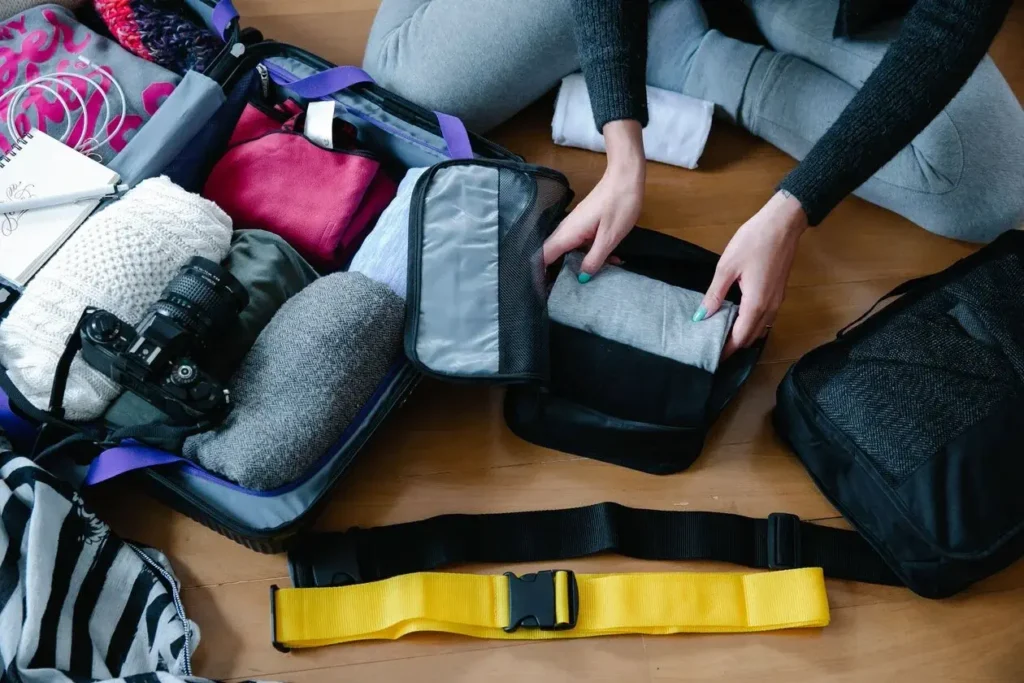
The most experienced Morocco travelers pack far less than first-timers expect. A week in Morocco is genuinely achievable with a 30–40 liter backpack or a single carry-on case, particularly if you choose quick-dry fabrics that can be hand-washed and dried overnight in your riad.
Morocco’s medinas also sell excellent lightweight scarves, linen shirts, and other travel-appropriate clothing at good prices — if you realize you need something after arrival, you will almost certainly find it in the souk.
Final Thoughts
Knowing what to pack for Morocco is ultimately about understanding the country you are visiting — its climate diversity, its cultural values, and its practical realities. Pack light enough to move freely through medinas, pack respectfully enough to be welcomed into communities, and pack practically enough to handle whatever the Atlas Mountains or the Sahara throws at you.
Get those three things right and the packing list largely takes care of itself.
For more Morocco trip planning, read our complete Morocco trip cost guide and our solo female travel Morocco guide for additional packing advice specific to women traveling alone. For official Morocco travel advice, visit Visit Morocco.
One Comment