
Surf Spots Morocco: 7 Best Waves on the Complete Atlantic Coast Guide
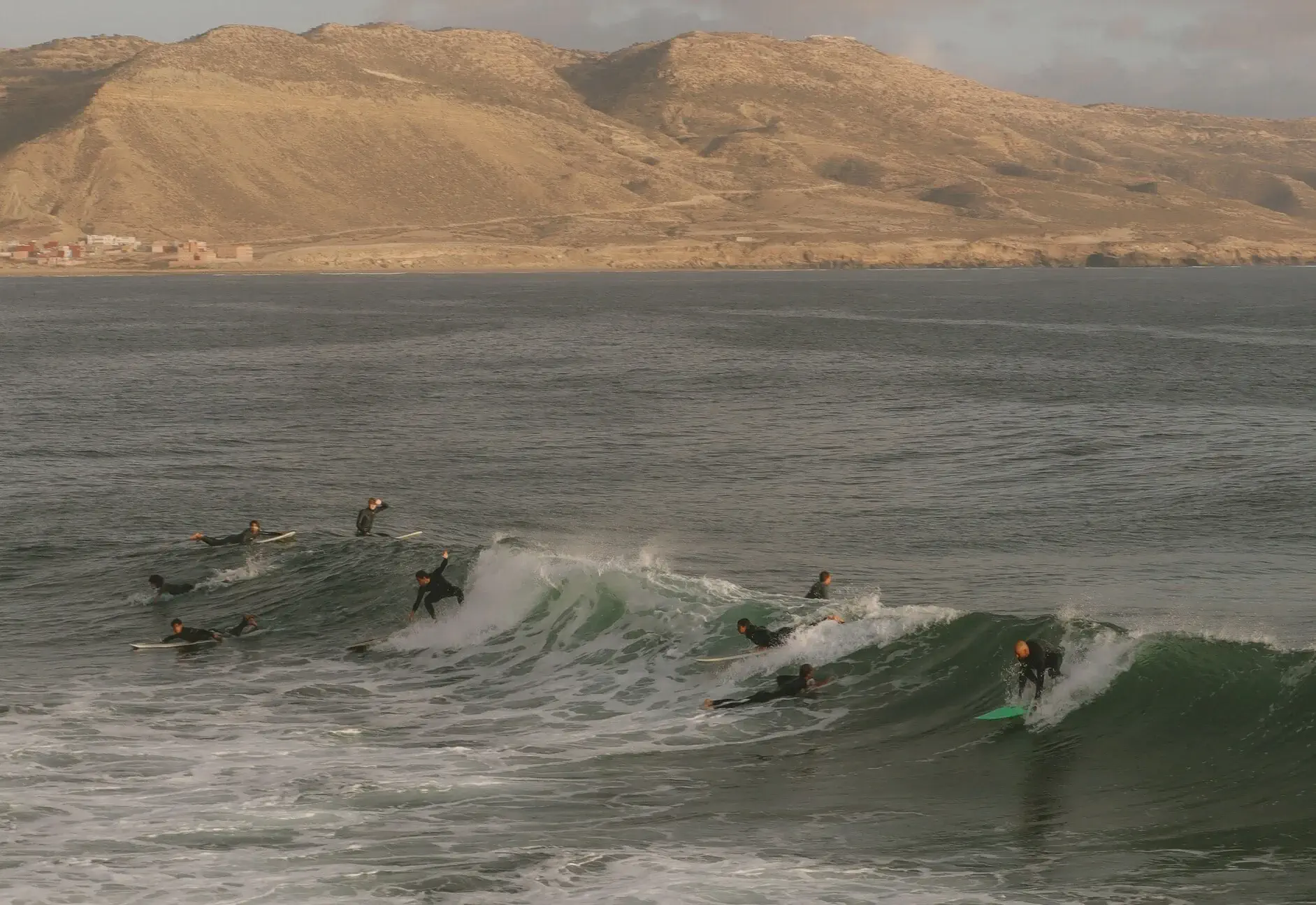
Morocco’s Atlantic coastline is one of the world’s great surfing destinations, and yet it remains remarkably underappreciated compared to more famous breaks in Bali, Portugal, or California. Consistent swells, warm water, uncrowded lineups, and an unbeatable combination of world-class waves with rich culture and unbeatable value have made the surf spots Morocco offers a quiet obsession among surfers who know.
This guide covers everything you need to know about the best surf spots in Morocco — from the legendary breaks around Taghazout to the windswept beaches of Essaouira, the seasons that matter, and practical advice for surfers of every level looking to ride the Atlantic swells of North Africa.
Why Morocco is a World-Class Surf Destination
The surf spots Morocco offers benefit from a rare combination of geography and climate. The Atlantic Ocean generates consistent swells that travel unobstructed across thousands of kilometers before hitting Morocco’s coastline, while the country’s position means these swells arrive with remarkable reliability nearly year-round. Water temperatures remain comfortable even in winter (typically 16–20°C), and the coastline features an extraordinary variety of breaks — powerful reef breaks, mellow beach breaks, and everything in between — suitable for complete beginners through professional-level surfers.
Add to this Morocco’s exceptional affordability, rich culture, and the simple fact that the surf spots Morocco offers remain far less crowded than comparable destinations in Europe or Southeast Asia, and it becomes clear why an increasing number of surfers are discovering Morocco as a serious surf destination rather than simply a stopover.
Taghazout: Morocco’s Surfing Capital
Taghazout, a small fishing village just north of Agadir, has transformed over the past two decades from a sleepy coastal settlement into the undisputed capital of surf spots Morocco has to offer. The village and its surrounding breaks now host dozens of surf camps, hostels, and a genuinely international surfing community.
Anchor Point: The most famous wave among the surf spots Morocco offers, Anchor Point is a world-class right-hand point break that can produce rides of several hundred meters on a good day. This wave demands experience and confidence — it is not suitable for beginners — but represents one of the finest point breaks in the world when conditions align. Best from September through April.
Hash Point: A gentler alternative near Anchor Point, offering a more forgiving right-hand break suitable for intermediate surfers looking to progress beyond beginner breaks without the intensity of Anchor Point itself.
Panorama Point: Located a short distance further along the coast, Panorama offers a good beach break suitable for intermediate surfers, with less consistency than the point breaks but a relaxed atmosphere and fewer crowds.
Taghazout Bay and Surrounding Breaks
Banana Point: Named for the shape of the wave rather than any local fruit, Banana Point offers one of the more forgiving breaks among the surf spots Morocco has near Taghazout, making it popular with intermediate surfers building confidence on point breaks.
Boilers: A powerful, hollow reef break for experienced surfers only, located near Taghazout and known for producing genuinely world-class barrels when the swell direction and size align correctly. Not a wave for beginners or the faint-hearted.
Devil’s Rock: Another advanced-level reef break in the Taghazout area, offering fast, powerful waves that reward experienced surfers with the skill to read the reef correctly.
Learning to Surf: The Best Beginner Spots
For visitors new to surfing, several of the surf spots Morocco offers are specifically suited to learning, with gentle beach breaks and excellent surf schools.
Aftas Beach (near Taghazout): A long, sandy beach break that provides ideal conditions for beginners, with smaller, more manageable waves than the point breaks further along the coast. Numerous surf schools operate here, offering lessons from approximately 200–350 MAD for a two-hour group session.
Imsouane: Roughly 45 minutes north of Taghazout, Imsouane offers what many consider the longest rideable wave in Morocco — a mellow, forgiving right-hand point break that can offer rides of several hundred meters even to relatively inexperienced surfers on the right day. The bay also has a gentler beach break section suitable for complete beginners. Imsouane has developed rapidly as a surf destination while retaining a more relaxed, less commercial atmosphere than Taghazout itself.
Essaouira: While better known for windsurfing and kitesurfing, the beaches around Essaouira also offer good beginner and intermediate surf conditions, particularly in the mornings before the strong Atlantic winds pick up. Several surf schools in the city offer lessons combining surf instruction with the broader appeal of Essaouira’s relaxed, creative atmosphere.
When to Surf in Morocco: Seasons and Conditions
Understanding the seasonal patterns is essential for making the most of any visit to the surf spots Morocco has to offer.
Autumn and Winter (September to March): The prime season for the powerful point breaks around Taghazout, when Atlantic storm systems generate consistent, well-organized swells. This is when Anchor Point and similar advanced breaks are at their best, though conditions can also be excellent for intermediate surfers at spots like Banana Point and Hash Point. Water temperatures drop slightly (16–18°C) but remain surfable with a 3/2mm wetsuit.
Spring (April to May): A transitional period with generally smaller, more manageable swells — often excellent for intermediate surfers looking to progress and for beginners seeking gentler conditions at spots like Aftas Beach and Imsouane.
Summer (June to August): Generally the smallest swell season among the surf spots Morocco offers, with smaller, more forgiving waves that suit beginners and intermediate surfers well, though the powerful point breaks are less consistent. Water temperatures are at their warmest (20–22°C), making a spring suit or even boardshorts viable for many surfers.
Surf Camps and Where to Stay
Taghazout and the surrounding area have developed an extensive surf camp culture over the past fifteen years, and staying at a dedicated surf camp is the easiest way to access the best of the surf spots Morocco offers, particularly for visitors traveling solo or without their own transport.
Budget surf camps: Basic surf camps in Taghazout offer shared dormitory accommodation, daily surf guiding or lessons, breakfast and dinner, and a social atmosphere for approximately 300–500 MAD per night.
Mid-range surf camps: More comfortable options with private or shared rooms, better food, yoga sessions, and more personalized surf coaching typically cost 500–1,000 MAD per night.
Luxury surf retreats: A growing number of upscale surf resorts around Taghazout Bay offer boutique accommodation, professional coaching, spa facilities, and excellent food for 1,500–3,500 MAD per night.
Most surf camps include daily transport to whichever of the surf spots Morocco is offering the best conditions on a given day, which is one of the significant advantages of the camp model over independent travel — local knowledge of which break is working matters enormously in Morocco’s variable conditions.
What to Bring for Surfing in Morocco
A good quality 3/2mm wetsuit covers most conditions in Morocco year-round, with a thicker 4/3mm suit recommended for winter dawn patrol sessions when water and air temperatures are at their coolest. Reef boots are recommended for several of the reef breaks around Taghazout, where volcanic rock can be sharp underfoot.
Most surf camps and surf schools offer board rental, making it unnecessary to bring your own equipment unless you have strong preferences about board type. Sun protection is essential year-round — Morocco’s sun is intense even in winter, and reef-safe sunscreen is increasingly encouraged given the marine environment.
Getting to Morocco’s Surf Spots
Agadir Airport (AGA) is the primary gateway to the surf spots Morocco offers around Taghazout, with direct flights from numerous European cities. Taghazout itself is approximately 30 minutes by taxi or surf camp transfer from the airport.
Marrakech Airport (RAK) is a common alternative gateway, with Taghazout approximately 2.5 hours away by road. Several surf camps offer direct airport transfers from Marrakech.
Essaouira is accessible from Marrakech by CTM bus (approximately 3 hours) or private transfer, making it easy to combine surfing with a broader Morocco itinerary that includes Marrakech and the imperial cities.
Final Thoughts
The surf spots Morocco offers represent one of the finest and most underrated surfing destinations on earth — world-class point breaks, welcoming surf camps, warm water, and a rich cultural backdrop that few other surf destinations can match. Whether you are an experienced surfer chasing the legendary barrels of Anchor Point or a complete beginner taking your first lesson at Aftas Beach, Morocco’s Atlantic coast has a wave for you.
For more Morocco adventure planning, read our Sahara Desert Tour from Marrakech guide and our Essaouira travel guide for more on Morocco’s Atlantic coast. For official tourism information, visit Visit Morocco.


One Comment