
Camel Trekking in the Sahara: What It’s Really Like and How to Plan Your Trip
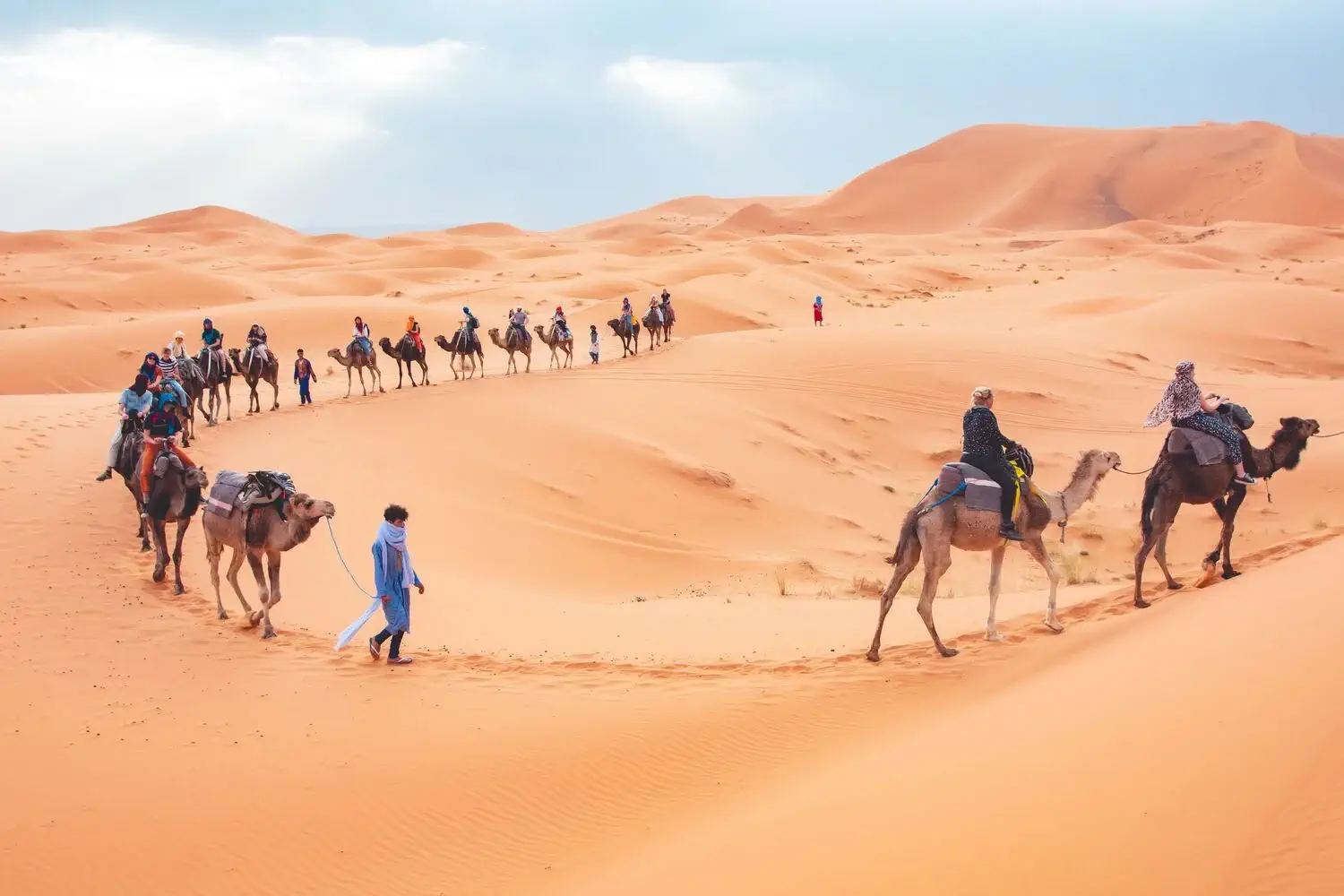
Camel trekking in the Sahara is one of those experiences that exists in the imagination of almost every traveler to Morocco long before they arrive. The image is familiar — a line of camels moving in silhouette across towering orange dunes, the sun dropping toward the horizon, silence so complete it feels like a physical presence. The reality, for most visitors, turns out to be even better than the imagination.
This guide covers everything you need to know about camel trekking in the Sahara — what the experience is actually like, how to choose between the many operators and camps on offer, what to pack, how long to go for, and the practical details that separate a memorable Sahara camel trek from a disappointing one.
Where to Do Camel Trekking in the Sahara in Morocco
Morocco’s main Sahara camel trekking destination is the area around Merzouga, a small town in the southeastern corner of the country at the base of the Erg Chebbi dunes. Erg Chebbi is Morocco’s most dramatic and most accessible Saharan landscape — a field of sand dunes that rise up to 150 meters above the surrounding flat desert, turning extraordinary shades of orange, red, and gold in the changing light of dawn and dusk.
The town of Merzouga sits at the edge of the dunes, approximately 55 kilometers south of Erfoud and 560 kilometers southeast of Marrakech. Almost all camel trekking in the Sahara in Morocco that is marketed from Marrakech and other major cities ends here, at the base of Erg Chebbi.
A less visited alternative is the Erg Chigaga dunes near M’Hamid, approximately 100 kilometers south of Zagora in the Draa Valley. Erg Chigaga is larger and more remote than Erg Chebbi, requires a 4×4 journey across flat desert to reach, and sees a fraction of the visitors — making it the preferred choice for travelers seeking a more solitary and genuinely remote camel trekking in the Sahara experience.
What Camel Trekking in the Sahara is Actually Like
The reality of camel trekking in the Sahara deserves honest description, because it differs in certain ways from the romantic images that dominate the marketing.
The camel itself: Dromedary camels are not comfortable animals to ride. They are tall — mounting and dismounting requires careful technique — and their gait produces a rocking motion that some riders find uncomfortable over extended periods. The standard camel trek for Sahara visitors lasts approximately one hour each way, which most people find perfectly manageable and actually enjoyable. Longer camel treks of three to six hours are possible but require some acclimatization.
The landscape: Erg Chebbi is genuinely, staggeringly beautiful. The dunes are larger than most visitors expect — the largest rise to 150 meters — and the colors change continuously as the sun moves across the sky, cycling through pale gold, deep orange, burnt red, and — in the minutes around sunset — an extraordinary range of purples and pinks that no photograph quite captures.
The silence: This is the aspect of camel trekking in the Sahara that most surprises visitors and most consistently appears in retrospective accounts of the experience. In the desert, away from the camps and the roads, the silence is absolute in a way that is genuinely rare in the modern world. Many visitors describe sitting in the dunes at sunset, listening to nothing, as one of the most powerful experiences of their lives.
The stars: If the dunes at sunset are the visual highlight of camel trekking in the Sahara by day, the stars are the revelation of the desert night. At Erg Chebbi and Erg Chigaga, far from any significant light pollution, the night sky is extraordinary — the Milky Way visible to the naked eye as a broad luminous band, shooting stars appearing every few minutes, the entire dome of the sky participating in a display that most urban dwellers have never experienced.
Choosing Between Desert Camps
The quality of the desert camp experience varies enormously, and choosing the right camp is the most important decision in planning camel trekking in the Sahara. Camps range from basic shared tents with minimal facilities to elaborate luxury glamping establishments with private tents, proper bathrooms, gourmet kitchens, and professional Gnaoua music performances.
Budget Desert Camps (300–600 MAD per person)
Budget camps typically offer shared Moroccan tent dormitories with mattresses and blankets, a shared communal dinner of tagine and couscous, and the core experience of camel trekking in the Sahara at an accessible price. Facilities are basic — shared squat toilets, no showers, limited electricity. The experience is authentic and the price is low, but comfort is minimal.
Mid-Range Desert Camps (600–1,500 MAD per person)
Mid-range camps offer private or semi-private tents with proper beds and blankets, improved toilet facilities (often Western-style), better food, and a more organized experience including Gnaoua music around the campfire. This level represents the best balance of authenticity and comfort for most travelers and is the recommended choice for the majority of camel trekking in the Sahara visitors.
Luxury Desert Camps (1,500–4,000+ MAD per person)
Luxury desert camps have transformed the camel trekking in the Sahara experience for high-end travelers, offering private tented suites with en-suite bathrooms (including hot showers — an extraordinary luxury in the middle of the Sahara), proper beds with quality linen, gourmet meals prepared by professional chefs, and experiences curated to a level that rivals any luxury hotel. Several camps of this type operate at Erg Chebbi, with the most celebrated including Azalai Desert Camp and Nomad Palace.
How Long to Spend Camel Trekking in the Sahara
One night (the standard option): The vast majority of camel trekking in the Sahara experiences from Marrakech or Fes involve one night at Erg Chebbi — arriving in the late afternoon, riding camels to the camp for sunset, spending the night, and returning by camel at dawn for the sunrise before continuing to the next destination. This one-night experience is sufficient to capture the essential magic of the Sahara and fits within a standard Morocco itinerary.
Two nights: Two nights allows a more relaxed experience — time to explore the dunes beyond the immediate camp area, a longer camel trek, a sunrise and sunset without the pressure of departure, and a genuine sense of having inhabited the desert rather than simply passed through it. Strongly recommended for anyone who has the flexibility in their itinerary.
Multi-day camel treks: Extended camel trekking in the Sahara of three to seven days is possible, particularly in the more remote Erg Chigaga area, where trekking routes lead between oases and desert villages. This level of experience requires advance booking with a specialist operator and significantly more preparation.
The Camel Trek Itself: Sunrise vs. Sunset
Both sunrise and sunset camel treks are offered at Erg Chebbi, and both are genuinely beautiful. Most standard one-night packages include a sunset trek to the camp and a sunrise trek back — giving you both experiences.
The sunset trek is typically the more dramatic visually — the light on the dunes is warmer and more saturated, the colors more extraordinary, and the transition from golden hour to dusk to starlit darkness unfolds in the hour after arrival at the camp. The sunrise trek is quieter and cooler, with a softer, more delicate light and the added pleasure of watching the desert emerge from darkness.
If forced to choose between the two for a partial experience, the sunset trek has a slight edge for visual drama; the sunrise trek wins for atmosphere and solitude.
What to Pack for Camel Trekking in the Sahara
The Sahara demands specific preparation, and packing correctly makes a significant difference to the comfort of the camel trekking experience.
Essential:
- A warm layer or sleeping bag — desert nights are genuinely cold, even in summer, when temperatures can drop 20–30 degrees from their daytime highs
- A scarf or shemagh to wrap around your face against sand and wind — this is one of the most important items for comfortable camel trekking in the Sahara
- Sunscreen with SPF 50 minimum — the desert sun is intense even in the late afternoon
- Sunglasses and a wide-brimmed hat for daytime
- Closed shoes for camel riding — sandals do not provide adequate grip in the stirrups and allow sand in
- A headlamp or small torch for navigating the camp at night
- A camera with extra batteries or a fully charged power bank — phones and cameras drain faster in cold desert nights, and the photography opportunities are extraordinary
Recommended:
- Lip balm and moisturizer — desert air is extremely dry
- A reusable water bottle — stay well hydrated, particularly in summer
- Earplugs for lighter sleepers in shared camp situations
- Cash in MAD for tips and any extras at the camp
Leave behind:
- Expensive jewelry or watches
- Large amounts of cash
- Heavy luggage — most camel trek packages require you to leave main luggage at your accommodation in Merzouga and bring only a small overnight bag
Practical Information for Camel Trekking in the Sahara
Getting to Merzouga
Merzouga is not on the train network and requires either a private transfer from Marrakech (approximately 7–8 hours by road, cost 1,500–2,500 MAD per vehicle), a shared tour that includes transport, or a combination of CTM bus to Errachidia followed by grand taxi to Merzouga.
Most travelers include their camel trekking in the Sahara as part of a three-day organized tour from Marrakech, which includes transport, accommodation along the route, guide services, and the desert camp experience. This approach typically costs 1,500–3,500 MAD per person depending on group size and level of accommodation.
Booking
Camel trekking in the Sahara packages can be booked through tour operators in Marrakech and Fes, through your riad or hotel, or directly with desert camp operators in Merzouga. Booking directly with Merzouga-based camps often produces better prices and more flexibility. Always confirm exactly what is included — transport, camel trek, camp accommodation, meals, and any additional experiences — before paying.
Tipping
Tipping your camel guide is expected and appreciated. A standard tip of 50–100 MAD per person for a one-hour camel trek is appropriate. If your guide spends the evening with your group playing music around the campfire and providing additional service, 150–200 MAD is more fitting.
Best Time for Camel Trekking in the Sahara
The most comfortable months for camel trekking in the Sahara in Morocco are October through April, when daytime temperatures are pleasant (20–30°C) and the nights, while cold, are not prohibitively so. Summer (June through August) brings extreme heat — daytime temperatures regularly exceed 45°C at Erg Chebbi — which makes camel trekking in the Sahara genuinely challenging and potentially dangerous without careful precautions and timing around dawn and dusk.
Common Questions About Camel Trekking in the Sahara
Are the camels well treated? This varies by operator. Responsible desert camps and tour operators in Morocco maintain their animals in reasonable condition. If you observe a camel that appears distressed, malnourished, or with visible injuries, you are entitled to decline the trek and raise the issue with the operator.
Is camel trekking in the Sahara suitable for children? Yes, for children over approximately five years old. Younger children should ride with an adult. The experience is generally gentle enough for family participation.
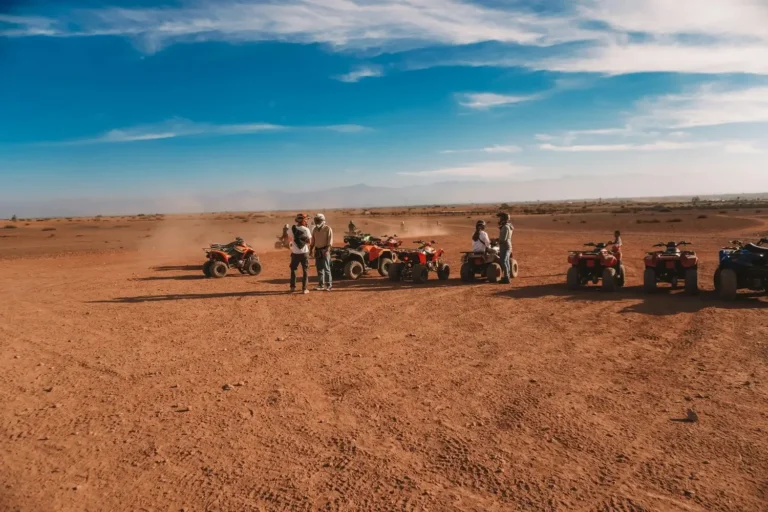
What if I cannot ride a camel? Several alternatives exist for visitors who cannot or prefer not to ride: quad bikes, 4×4 vehicles, and sandboarding are all available at Erg Chebbi and can substitute for or complement the camel trek.
Is it possible to sleep directly on the dunes rather than in a camp? Some specialist operators offer bivouac experiences — sleeping on mattresses laid directly on the sand between the dunes, under the open sky. This is the most extraordinary version of the Sahara night experience and is strongly recommended for travelers seeking something beyond the standard camp setup.
Final Thoughts
Camel trekking in the Sahara is one of those experiences that genuinely delivers on its promise. The dunes are as spectacular as the photographs suggest, the silence is as profound as the descriptions indicate, and the stars are even better than anything you have seen in pictures. The camel itself is an unlikely vehicle for one of travel’s most extraordinary journeys — uncomfortable, ungainly, occasionally malodorous — and yet entirely right for the purpose.
Go once. Go at sunset. Stay for the stars. And when the sun rises over the dunes on your second morning and the desert turns orange and red and gold around you, you will understand why camel trekking in the Sahara has been drawing travelers to Morocco for centuries.
For more Morocco adventure planning, read our complete Sahara Desert Tour from Marrakech guide and our Atlas Mountains hiking guide. For official tourism information and desert camp recommendations, visit Visit Morocco.
2 Comments