
How to Bargain in Moroccan Souks Without Offending Anyone
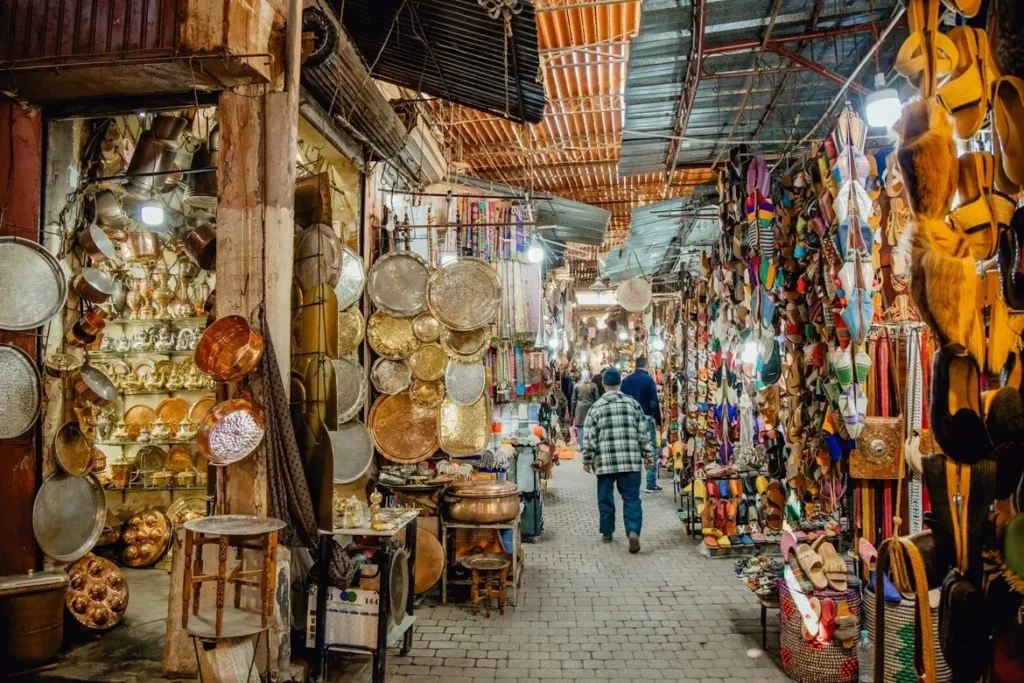
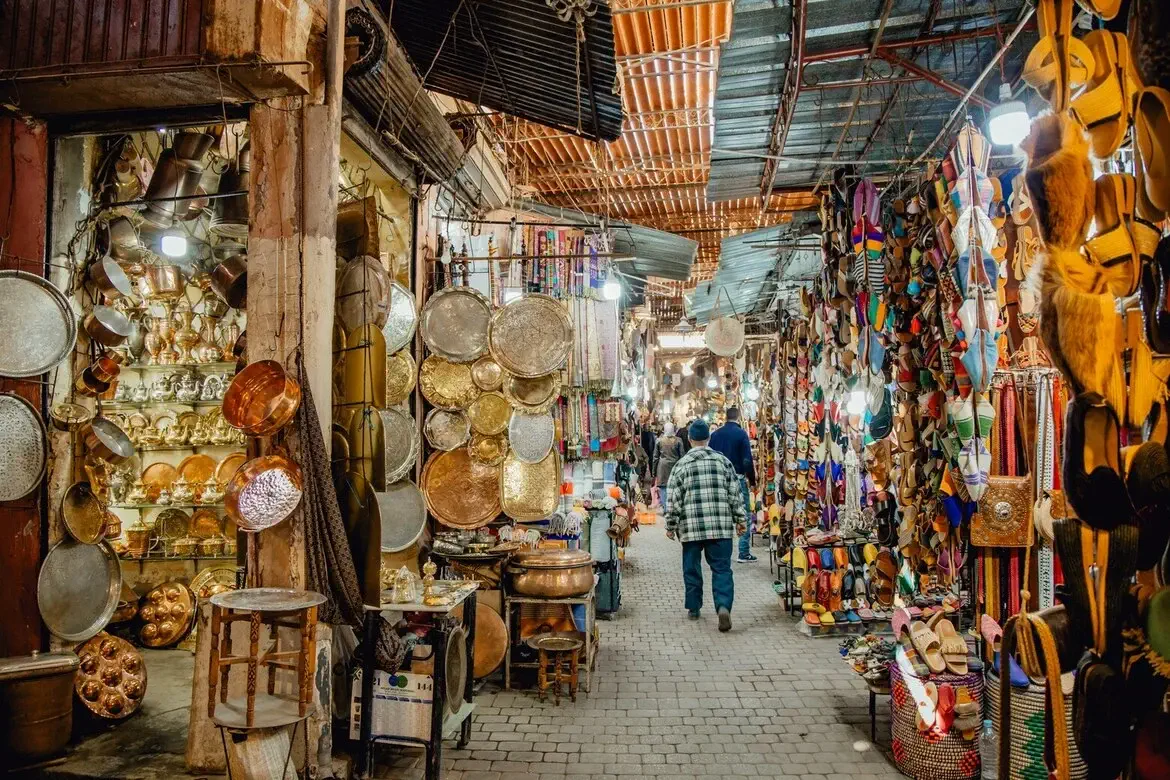
Few experiences capture the energy of Morocco quite like the souks — the sprawling, labyrinthine markets that fill the medinas of Marrakech, Fes, and every Moroccan city with color, noise, and the ancient rhythm of commerce. But for many first-time visitors, the prospect of bargaining is intimidating. Am I supposed to argue? Will I offend someone? Am I paying too much?
Learning how to bargain in Moroccan souks well is not about winning a fight — it is about participating respectfully in a centuries-old social ritual that both buyer and seller genuinely enjoy when done correctly. This guide will teach you exactly how to bargain in Moroccan souks with confidence, cultural sensitivity, and — most importantly — without offending anyone.
Understanding the Culture Behind Bargaining
Before learning how to bargain in Moroccan souks technically, it helps to understand the cultural context. Bargaining is not viewed in Morocco the way haggling might be viewed in a fixed-price Western retail culture — as an awkward confrontation to be avoided. It is a normal, expected, and genuinely enjoyable part of commerce, embedded in centuries of trading tradition across the Maghreb and the wider Islamic world.
For Moroccan vendors, the back-and-forth of bargaining is often as much a social interaction as a financial transaction. Vendors frequently take pleasure in a good negotiation, particularly with a customer who engages warmly and with a sense of humor. Understanding how to bargain in Moroccan souks successfully means understanding that you are not trying to defeat the vendor — you are participating in a shared cultural practice with its own etiquette and rhythm.
The Golden Rule: Only Bargain If You Intend to Buy
The single most important principle in how to bargain in Moroccan souks is this: only enter into serious negotiation for an item you genuinely intend to purchase at a fair price. Once you and a vendor have agreed on a price through negotiation, walking away without buying is considered a serious breach of etiquette and can cause real offense.
This does not mean you cannot browse freely or ask prices out of curiosity — Moroccan vendors understand window shopping. But once you begin the formal back-and-forth of counter-offers, you are signaling genuine intent to buy, and the vendor will treat the interaction accordingly.
Step-by-Step: How to Bargain in Moroccan Souks
Step 1: Do Your Research First
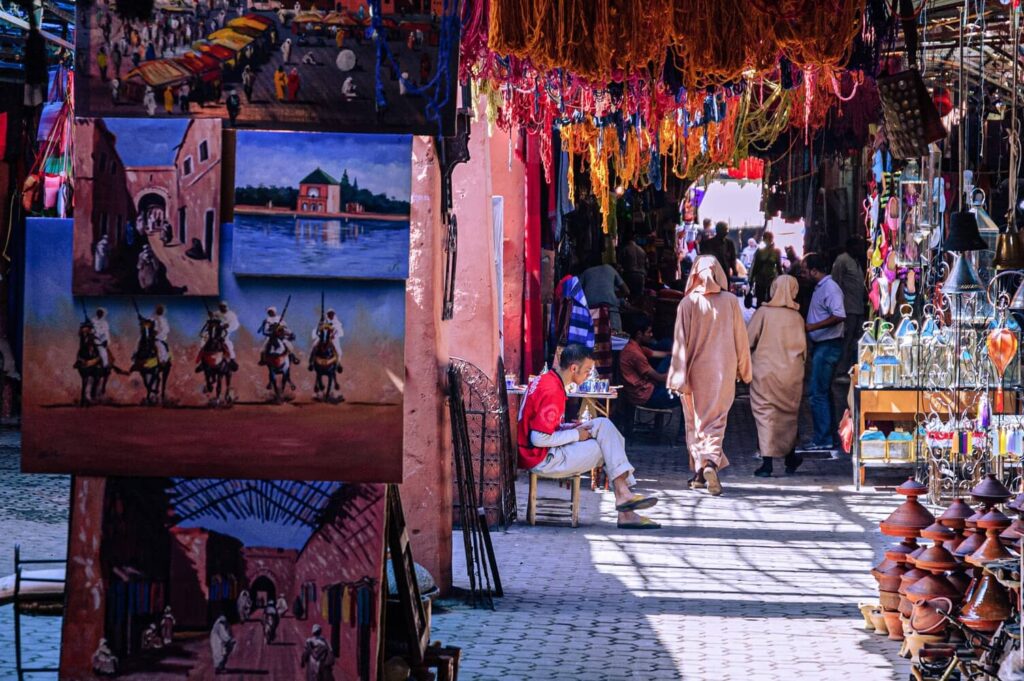
Before you start bargaining seriously, spend some time simply browsing the souk and noting the asking prices for items that interest you across several stalls. This gives you a sense of the general price range and helps you identify a fair target price before you enter into negotiation with any single vendor.
Step 2: Start Low, But Not Insultingly Low
When you find an item you want to buy, ask the price. The vendor will quote a number that is typically two to four times the price they actually expect to receive — this is completely normal and not a sign of dishonesty, simply the opening move of the negotiation.
The standard approach for how to bargain in Moroccan souks effectively is to offer 40 to 50 percent of the initial asking price. This might feel uncomfortably low to visitors from fixed-price cultures, but it is a completely normal and expected opening counter-offer within Moroccan bargaining culture.
Step 3: Let the Negotiation Breathe
Once you have made your counter-offer, the vendor will typically come down from their initial price while explaining why the item is worth more — the quality of the craftsmanship, the materials, the time involved. This is part of the ritual, not a personal appeal you need to counter point by point.
Respond with a modest increase to your own offer, and continue this exchange gradually. A good negotiation for how to bargain in Moroccan souks typically takes three to five rounds of counter-offers before settling on a final price, usually somewhere between 60 and 75 percent of the original asking price.
Step 4: Use Silence and Body Language
Silence is a powerful tool in Moroccan bargaining. After making an offer, a pause — rather than immediately following up with a higher counter-offer — often prompts the vendor to reconsider their position. Similarly, appearing mildly interested rather than excessively enthusiastic about an item keeps the negotiation in your favor.
Step 5: The Walk-Away Technique
One of the most effective and well-known techniques for how to bargain in Moroccan souks is the walk-away. If negotiations reach an impasse and the vendor will not come down to a price you consider fair, thank them politely and begin to walk away. In many cases, this prompts an immediate and often significant reduction in price, as the vendor would rather complete the sale than lose the customer entirely.
This technique should be used genuinely, not as a manipulative bluff — be prepared to actually leave if the vendor does not follow you with a better offer, and be equally prepared to return later if you reconsider.
Step 6: Agree and Complete the Purchase Graciously
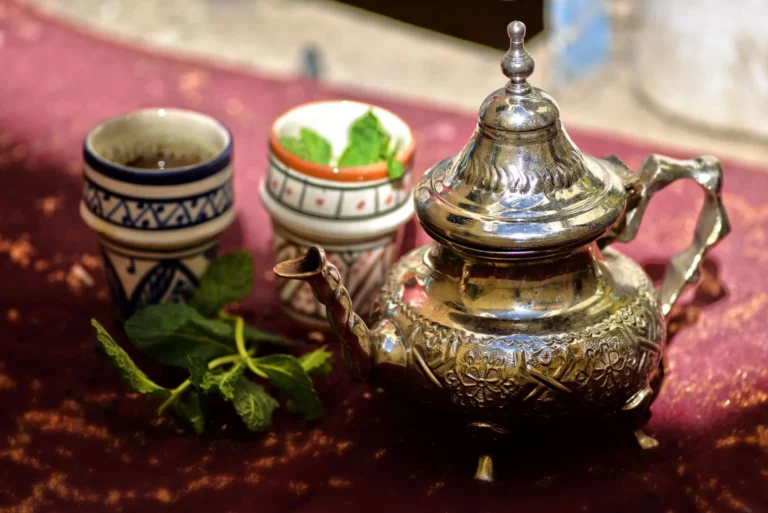
Once you and the vendor reach a price you are both satisfied with, complete the transaction warmly. A simple “shukran” (thank you) and a smile go a long way. Many vendors will offer mint tea during longer negotiations, particularly for larger purchases like carpets — accepting this hospitality is a normal and appreciated part of the process.
What to Expect to Pay: Common Souk Items
Understanding typical final prices helps enormously when learning how to bargain in Moroccan souks for the first time.
Leather goods: A good quality leather bag typically settles at 200–500 MAD depending on size and craftsmanship, down from initial asking prices of 500–1,500 MAD.
Ceramics and pottery: A set of hand-painted tagine dishes or bowls typically settles at 80–200 MAD, depending on size and detail, down from initial asking prices roughly double that.
Textiles and scarves: A good quality wool or silk scarf typically settles at 50–150 MAD, down from initial asking prices of 150–400 MAD.
Carpets: Moroccan carpets vary enormously in price depending on size, material (wool versus a wool-silk blend), and the region of origin. A medium-sized quality wool carpet typically settles at 800–2,500 MAD after negotiation from initial asking prices that can be three or four times higher for tourists.
Spices: Spice vendors typically operate with less dramatic markup than craft vendors, though bargaining is still expected for larger quantities. A reasonable quantity of good quality saffron, for example, might settle at 20–30 percent below the initial asking price.
Common Mistakes When Learning How to Bargain in Moroccan Souks
Being aggressive or disrespectful. Bargaining in Morocco should always remain warm and good-humored. Raising your voice, showing frustration, or being rude will damage the interaction and is culturally inappropriate, regardless of how firm your negotiating position is.
Bargaining for the sake of it. Some visitors treat bargaining as a competitive sport, pushing for the absolute lowest possible price regardless of fairness. Remember that a few extra dirhams that mean little to a visitor from a wealthier country can matter considerably more to a Moroccan craftsperson or vendor. Bargain firmly but fairly.
Not knowing when to stop. If a vendor has come down significantly and reached a price that is genuinely fair for the item, continuing to push for further reductions out of principle rather than necessity is generally considered poor etiquette.
Comparing prices out loud with other tourists. Discussing prices you have negotiated elsewhere within earshot of a vendor is considered impolite and can undermine your own negotiating position in future interactions.
Assuming every price is negotiable. Fixed-price shops, government-run artisan cooperatives (Ensembles Artisanaux), and modern retail stores in Morocco typically do not expect bargaining, and attempting to haggle in these contexts is inappropriate. Bargaining applies specifically to traditional souk stalls and independent vendors.
Bargaining Etiquette by Region
Bargaining norms vary slightly across Morocco’s different cities and souks. Marrakech’s souks, being the most heavily touristed in the country, tend to start with the highest initial asking prices relative to final settlement prices — expect to negotiate down more aggressively here than elsewhere.
Fes’s souks, which serve a larger local population alongside tourists, often involve somewhat more moderate initial asking prices. Chefchaouen’s more relaxed, less commercially intense atmosphere generally means gentler negotiation with less pressure from vendors.
Final Thoughts
Learning how to bargain in Moroccan souks is one of the most rewarding cultural skills a visitor to Morocco can develop. Approached correctly — with warmth, patience, fairness, and genuine interest in the exchange — bargaining transforms from an intimidating obstacle into one of the most enjoyable and memorable parts of experiencing Morocco’s markets.
Come prepared, stay good-humored, and remember that the goal is not to win but to arrive, together with the vendor, at a price that leaves everyone satisfied. For more guidance on general international travel etiquette, the World Tourism Organization offers helpful resources for responsible and respectful travel.
For more on Moroccan culture and customs, read our complete guide to Moroccan hospitality and our 3 Days in Marrakech itinerary for the best souks to practice these skills.

3 Comments