
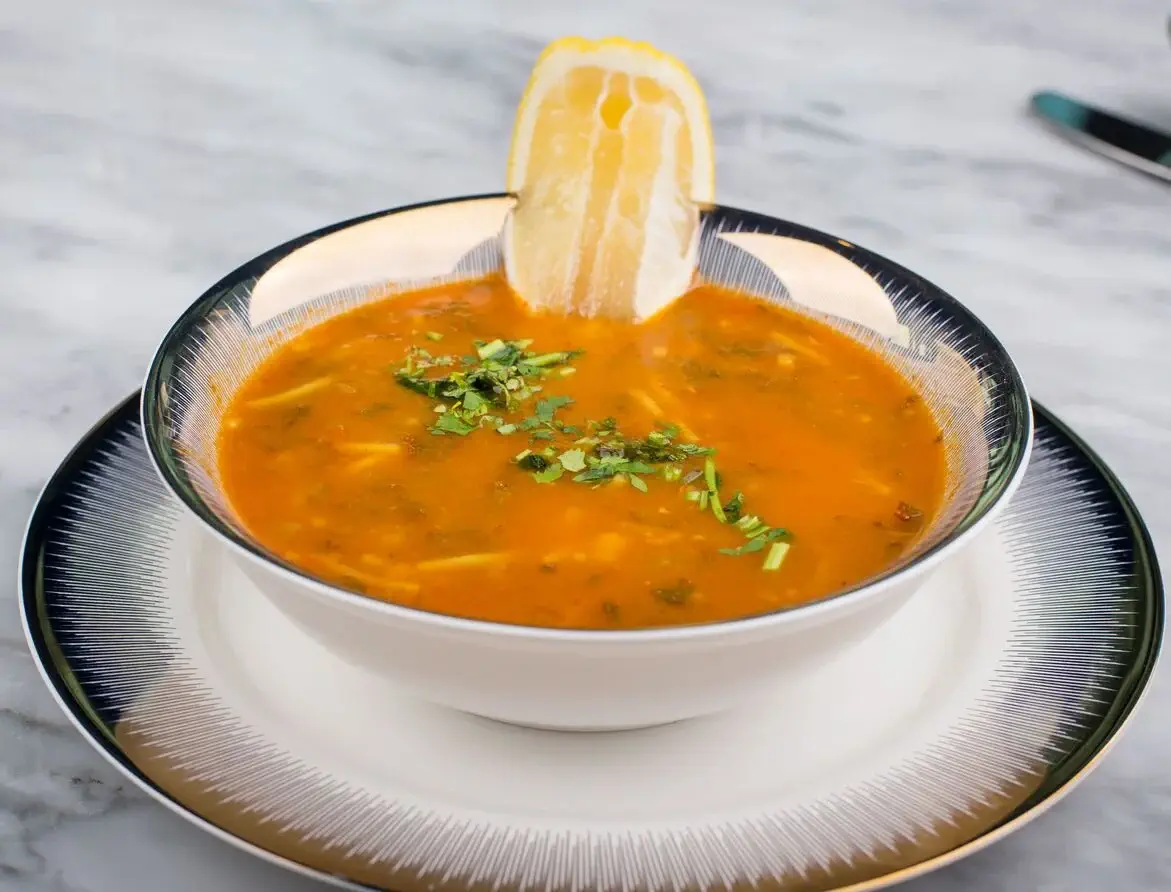
Moroccan Harira Recipe: How to Make Morocco’s Most Beloved Soup at Home
Harira is Morocco’s soul in a bowl. This thick, warming, extraordinarily fragrant soup of tomatoes, lentils, chickpeas, fresh herbs, and spices is the dish that defines Moroccan comfort food — eaten for breakfast at a street stall as the city wakes up, served as the first course at family gatherings, ladled into small ceramic bowls at roadside stalls in the golden hour before sunset, and above all prepared with profound significance every evening during Ramadan to break the daily fast at the sound of the Maghrib call to prayer.
Learning to make an authentic Moroccan harira recipe at home is one of the most rewarding and most achievable projects in Moroccan cooking — the technique is straightforward, the ingredients are accessible in most supermarkets, and the result is a soup of extraordinary depth and warmth that rewards every effort invested.
This guide covers the complete authentic Moroccan harira recipe, the regional variations you will encounter across Morocco, the traditional accompaniments that complete the experience, and the expert tips that make the difference between good harira and great harira.
The Cultural Significance of Harira
Before the recipe, some essential context about what harira means in Moroccan culture — because understanding the cultural weight of a dish always improves the cooking.
Harira is above all the soup of Ramadan — the dish that appears on virtually every Moroccan table at the moment the fast is broken each evening for thirty consecutive days. The breaking of the Ramadan fast (iftar) in Morocco is a specific and sacred ritual: the sound of the cannon, the call to prayer, the first date eaten, and then the first bowl of harira, usually accompanied by chebakia (honey-drenched sesame pastries) and sometimes hard-boiled eggs sprinkled with cumin.
But harira is not exclusively a Ramadan dish. It is eaten year-round at street stalls and in family homes, at weddings and at funerals, for breakfast and for supper. It is the soup that Moroccan mothers make when a family member is sick, the soup that appears on every restaurant menu from Tangier to Merzouga, and the soup that most Moroccan emigrants living abroad describe first when they talk about the food they miss most.
The word harira itself comes from the Arabic for “silk” — a reference to the smooth, thick texture that a properly made Moroccan harira recipe achieves through the addition of tdouira (a flour and water mixture) that gives the soup its distinctive body and silkiness.
The Essential Ingredients
A proper Moroccan harira recipe is built on a specific combination of ingredients that cannot be substituted without fundamentally changing the character of the soup.
Tomatoes: Fresh tomatoes, grated (the skin is discarded) or canned tomatoes form the acidic base of the harira. Fresh tomatoes produce a brighter, more complex flavor; canned tomatoes are more convenient and acceptable for everyday cooking.
Lentils: Green or brown lentils add body and protein. They should not be pre-cooked before adding to the harira — they cook directly in the broth, absorbing the surrounding flavors as they soften.
Chickpeas: Traditionally, chickpeas are soaked dried chickpeas that are added early in the cooking process. Canned chickpeas are an entirely acceptable shortcut that produces excellent harira with significantly less planning.
Fresh herbs: Cilantro and flat-leaf parsley in generous quantities are non-negotiable in any authentic Moroccan harira recipe. The herbs are added both during cooking (where they contribute flavor to the broth) and at the end (where they add freshness and color). Do not substitute dried herbs — the fresh varieties are essential.
Celery: A stalk of celery with its leaves adds an aromatic quality to harira that is difficult to identify specifically but immediately noticeable by its absence.
Spices: The spice profile of harira is relatively restrained compared to tagine — ground ginger, ground turmeric, ground cinnamon, black pepper, and saffron (in the most traditional versions). The goal is aromatic warmth rather than complexity.
Tdouira: The thickening agent that gives harira its characteristic silky body — a mixture of flour (or, in some versions, fine semolina) and water whisked into a smooth paste and added toward the end of cooking. This is the technique that distinguishes authentic Moroccan harira from ordinary lentil soup.
Meat (optional): Many Moroccan harira recipes include small pieces of lamb or beef, added at the beginning and slow-cooked into the broth. Vegetarian versions are equally traditional and equally delicious — the herbs and spices provide sufficient depth without meat.
Lemon: A squeeze of fresh lemon juice at the end of cooking — and at the table for each bowl — is essential. The acid brightens and balances the rich, spiced broth in a way that transforms the soup from very good to extraordinary.
The Authentic Moroccan Harira Recipe
Serves: 6–8
Preparation time: 20 minutes
Cooking time: 1 hour 30 minutes
Ingredients
For the soup base:
- 3 tablespoons olive oil or butter
- 1 large onion, finely chopped
- 3 stalks celery with leaves, finely chopped
- 4 cloves garlic, minced
- 400g lamb or beef, cut into small pieces (optional — omit for vegetarian)
- 1 teaspoon ground ginger
- 1 teaspoon ground turmeric
- ½ teaspoon ground cinnamon
- ½ teaspoon black pepper
- Large pinch saffron dissolved in 3 tablespoons warm water
- 4 large tomatoes, grated (skins discarded), or 400g tin chopped tomatoes
- 2 liters water or light chicken/vegetable stock
- 150g green or brown lentils, rinsed
- 400g tin chickpeas, drained and rinsed (or 200g dried chickpeas, soaked overnight and pre-cooked)
- Large bunch fresh cilantro (approximately 40g), roughly chopped — divided
- Large bunch fresh flat-leaf parsley (approximately 40g), roughly chopped — divided
- Salt to taste
For the tdouira (thickening):
- 3 tablespoons plain flour
- 150ml cold water
- 2 tablespoons tomato purée
For finishing:
- Juice of 1 large lemon
- Additional fresh cilantro and parsley
- Lemon wedges to serve
Method
Step 1 — Build the base:
Heat olive oil in a large, heavy-bottomed pot over medium heat. Add the chopped onion and celery and cook gently for 8–10 minutes until soft and translucent. Add the garlic and cook for 2 minutes more.
Step 2 — Add meat (if using):
Add the lamb or beef pieces to the pot, season with salt, and cook for 5 minutes, stirring, until the meat is lightly browned on all sides.
Step 3 — Add spices and tomatoes:
Add ground ginger, turmeric, cinnamon, and black pepper. Stir well and cook for 2 minutes. Add the saffron water and grated or tinned tomatoes. Cook over medium heat for 8–10 minutes, stirring occasionally, until the tomato has reduced and darkened slightly.
Step 4 — Add water, lentils, and half the herbs:
Add 2 liters of water or stock. Add the rinsed lentils and half the chopped cilantro and parsley (reserve the other half for finishing). Stir well. Bring to a boil, then reduce to a steady simmer.
Step 5 — Add chickpeas:
After the soup has been simmering for 20 minutes and the lentils are beginning to soften, add the drained chickpeas. Continue simmering for 20 more minutes until both the lentils and chickpeas are completely tender.
Step 6 — Prepare the tdouira:
In a small bowl, whisk together the flour, cold water, and tomato purée until completely smooth with no lumps. This mixture is the tdouira — the thickening agent that gives harira its distinctive silky body.
Step 7 — Add the tdouira:
Reduce the heat to its lowest setting. Slowly pour the tdouira into the soup in a steady stream, stirring constantly as you pour to prevent lumps from forming. Continue stirring for 3–4 minutes as the soup thickens. The harira should reach a consistency similar to a thick cream soup — substantial and coating, but still pourable. If it becomes too thick, add a little water; if too thin, prepare a small additional quantity of tdouira.
Step 8 — Finish and season:
Add the remaining fresh cilantro and parsley. Squeeze in the juice of the lemon. Taste and adjust salt generously — harira needs confident seasoning. Simmer on the lowest heat for a final 5 minutes to allow the flavors to meld.
Step 9 — Serve:
Ladle into bowls. Add a final squeeze of lemon to each bowl. Scatter with additional fresh herbs. Serve with Moroccan bread (khobz) for dipping, and with chebakia or dates on the side for the traditional Ramadan accompaniment.
Regional Variations of Moroccan Harira
While the recipe above represents the most widely eaten version of Moroccan harira, significant regional variations exist across the country that are worth understanding.
Fes-Style Harira
The harira of Fes — considered by many Moroccan food experts to be the definitive version — is typically richer and more heavily spiced than the standard recipe, with more saffron, more herbs, and sometimes the addition of small pasta (vermicelli or rice) in the final minutes of cooking. Fes harira often includes beaten eggs stirred in just before serving, creating a silky texture and additional richness.
Marrakech-Style Harira
Marrakech harira tends to be thicker and more tomato-forward than the Fes version, with less saffron and a more rustic character. Lamb is more commonly included than in northern versions. The street harira served from large pots outside the Djemaa el-Fna is typically this style — thick, warming, and deeply satisfying.
Vegetarian Harira (Harira Bidaoui)
The vegetarian version of Moroccan harira — made without meat but with the full range of herbs, spices, and the essential tdouira thickening — is widely eaten and entirely authentic. The depth of flavor from the combination of tomatoes, lentils, chickpeas, saffron, and generous quantities of fresh herbs means the absence of meat is not noticeable. This version is equally suitable for vegans (provided no butter is used in the base).
Harira with Eggs
In many Moroccan homes, beaten eggs are stirred into the finished harira just before serving — creating a texture similar to egg drop soup. Approximately 2 beaten eggs per pot of harira, drizzled in slowly while stirring, adds richness and body without significantly changing the flavor profile.
Harira with Vermicelli
Adding a small quantity of broken vermicelli (approximately 50g per pot) in the final 8–10 minutes of cooking is a common variation that adds body and makes the soup more substantial. This version is particularly common during Ramadan when harira needs to sustain the fasting person through the long evening hours.
The Traditional Accompaniments
Moroccan harira is never served in isolation — the traditional accompaniments are as important as the soup itself and complete the experience in ways that eating the soup alone cannot.
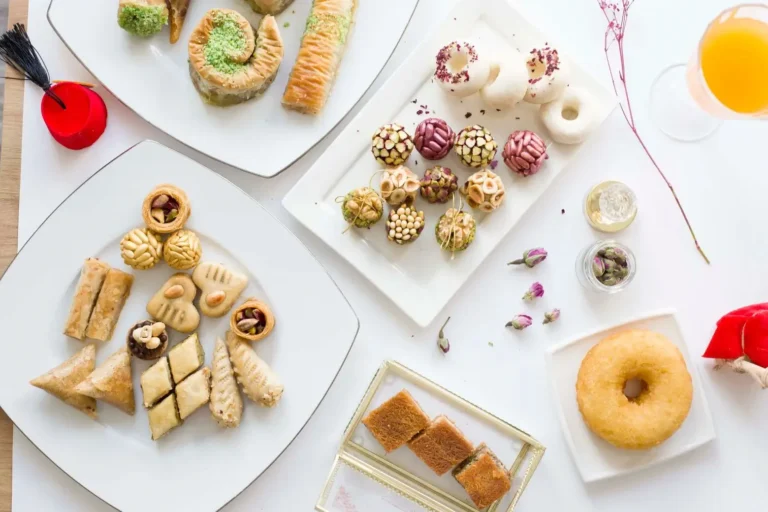
Chebakia: The honey-drenched sesame pastries that are harira’s traditional companion during Ramadan — the sweetness of the chebakia contrasting with the savory richness of the soup in a combination that seems counterintuitive but works beautifully. Read our Moroccan pastries guide for the full story of this extraordinary pastry.
Dates: A few dates eaten alongside harira is one of the most traditional Ramadan combinations — the natural sugar of the dates provides immediate energy after a day of fasting and complements the soup’s savory warmth.
Hard-boiled eggs with cumin: Sliced hard-boiled eggs sprinkled with ground cumin are frequently served alongside harira, particularly in the Fes and Casablanca traditions.
Moroccan bread (khobz): Fresh round Moroccan bread for dipping into the soup is essential — the thick, dense crumb of khobz is perfectly suited for scooping up the hearty broth.
Lemon wedges: A wedge of fresh lemon for squeezing into the bowl at the table allows each person to adjust the acidity of their own serving — an important element of the traditional harira experience.
Expert Tips for Perfect Moroccan Harira
Use fresh herbs generously. The most common mistake in making Moroccan harira at home is using too little cilantro and parsley. The traditional recipe uses quantities that seem excessive by Western standards — go further than you think you need to.
Master the tdouira. The thickening step is what distinguishes authentic Moroccan harira from ordinary lentil soup. Make sure the tdouira is completely smooth before adding it to the hot soup — any lumps will remain as lumps. Add it slowly and stir constantly.
Season aggressively. Harira is a soup that requires confident seasoning — particularly salt and lemon. Taste repeatedly throughout cooking and adjust without restraint. A well-seasoned harira is transformed; an under-seasoned one is flat and disappointing.
Cook lentils from raw. Adding the lentils raw to the soup rather than pre-cooking them separately allows them to absorb the surrounding flavors as they cook — producing a significantly more flavorful result than pre-cooked lentils added late.
Let it rest. Harira improves significantly after 15–20 minutes of resting after cooking — the flavors continue to develop and the consistency improves. Make it slightly ahead if possible.
Make extra. Harira reheats extraordinarily well and improves in flavor on the second and third day. Making a double batch and refrigerating the excess is one of the most practical things you can do with this recipe.
Use saffron. Many home recipes outside Morocco omit the saffron for cost reasons. The saffron is not optional in traditional Moroccan harira — it provides a specific aromatic quality and color that cannot be replicated. A small pinch goes a long way and the cost per batch is minimal.
Moroccan Harira at Street Stalls
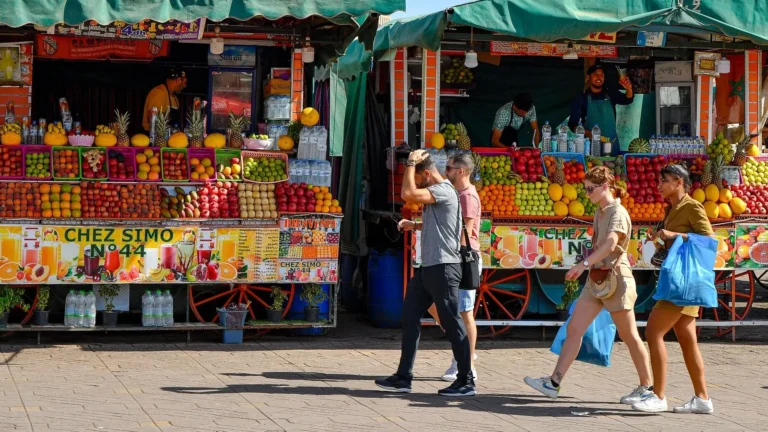
The finest harira in Morocco is almost certainly not found in restaurants but at the street stalls that appear throughout the medinas of Marrakech, Fes, and other cities in the late afternoon — typically positioned near mosque gates where worshippers emerging from the Asr (afternoon) prayer stop for a bowl before the evening.
These stalls operate from large aluminum pots that have been simmering since midday, developing a depth of flavor that no single home batch can replicate. The soup is ladled into small ceramic bowls and served with a wedge of lemon and a piece of bread for 5–10 MAD — one of the finest value food experiences in Morocco.
Seeking out these street stalls is one of the most rewarding food activities of any Morocco visit. For the complete guide to eating on the streets of Morocco, read our Moroccan street food guide.
Moroccan Harira and Ramadan
To fully understand the Moroccan harira recipe is to understand something about Ramadan in Morocco — the month-long fast that shapes the rhythm of Moroccan life in ways that visitors who have never experienced it cannot fully appreciate from descriptions alone.
During Ramadan, the medinas of Morocco change character entirely between sunrise and sunset — quieter, slower, with a quality of waiting that builds throughout the afternoon. And then, at the precise moment of Maghrib (the sunset prayer), the city transforms: the cannon fires, the call to prayer rolls across the rooftops, and simultaneously in thousands of Moroccan homes and at every street stall, the harira is poured and the fast is broken.
To eat harira at this moment — the first food after a day of fasting, the soup that every Moroccan child grows up eating at this specific time on this specific occasion — is to participate, however briefly and peripherally, in one of the most profound communal rituals in Moroccan culture.
For everything visitors need to know about experiencing Morocco during Ramadan, the cultural significance of the month, and how to engage respectfully with the practices observed, the complete guide is coming soon to Ultimate Morocco Guide.
Final Thoughts
The Moroccan harira recipe is one of those dishes that earns a permanent place in any serious home cook’s repertoire — not because it is technically complex (it is not), but because it delivers an extraordinary result from relatively simple ingredients, improves with time, serves a crowd, and carries with it the weight of one of the world’s great food cultures.
Make it on a cold evening. Serve it in the biggest bowls you have. Squeeze lemon. Eat with bread. And understand why this soup has been breaking Moroccan fasts and warming Moroccan families for centuries.
For more Moroccan cooking, read our Moroccan tagine recipe guide and our Moroccan couscous recipe guide. For the cultural context of Moroccan food, read our guide to traditional Moroccan dishes. For official Moroccan food culture information, visit Visit Morocco.

One Comment