
Moroccan Pastries and Sweets: A Complete Guide to the Best Local Bakeries and Treats
Moroccan pastries occupy a unique position in the country’s food culture — simultaneously everyday street food and elaborate festival confection, humble and sophisticated in equal measure. The pastry tradition of Morocco draws on Berber, Arab, Andalusian, and Jewish culinary influences accumulated over centuries, producing a range of sweets that is unlike anything else in the Arabic or Mediterranean world.
This guide introduces the essential Moroccan pastries — the ones worth seeking out, what makes each of them distinctive, and where to find them at their finest across the country.
The Essential Moroccan Pastries
Chebakia — The Ramadan Classic
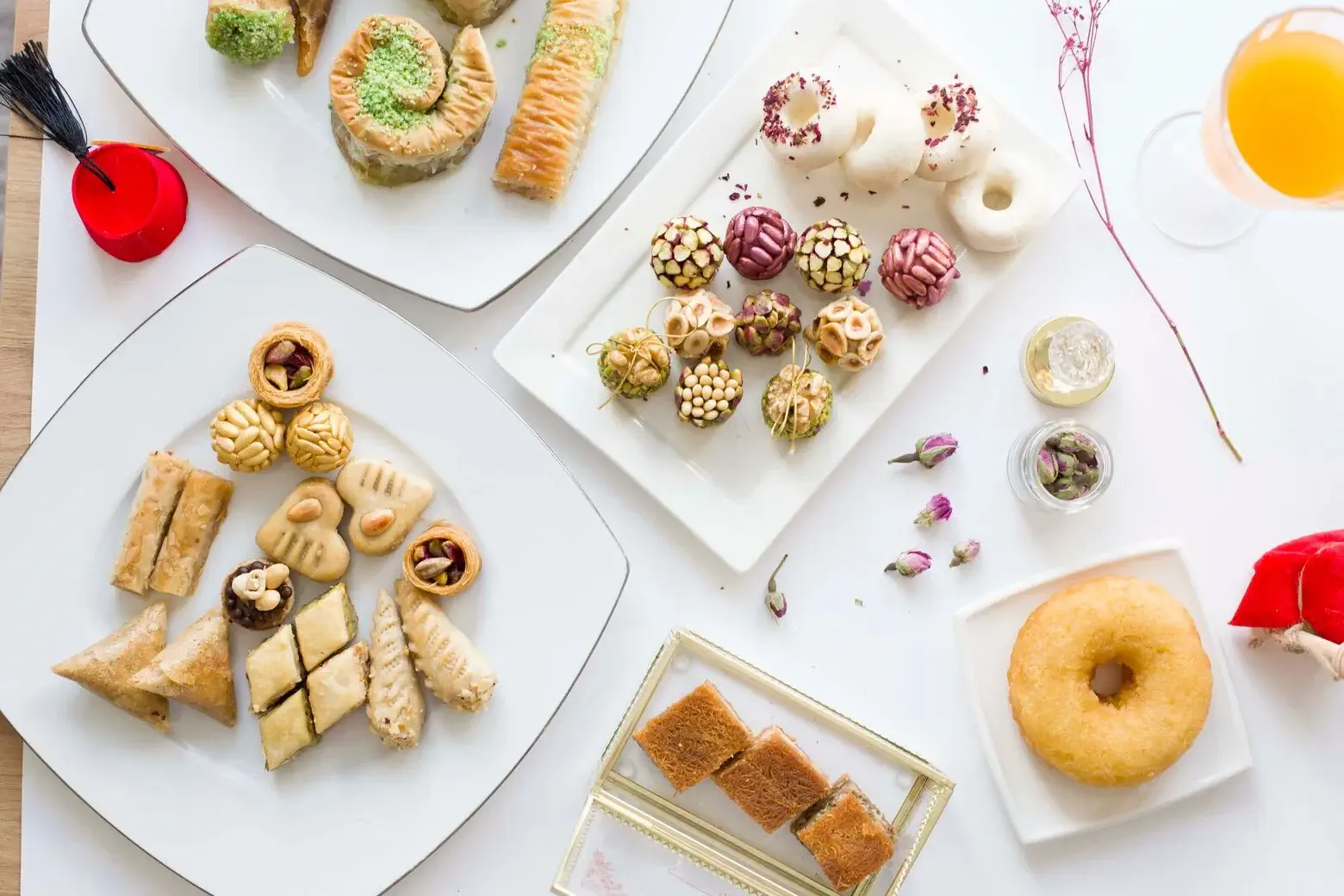
Chebakia is arguably the most distinctively Moroccan of all pastries — a deep-fried sesame cookie flavored with orange blossom water, anise, cinnamon, and a touch of vinegar, shaped into an intricate rose or bow-tie form before frying, then immediately dipped in warm honey and rolled in toasted sesame seeds while still hot.
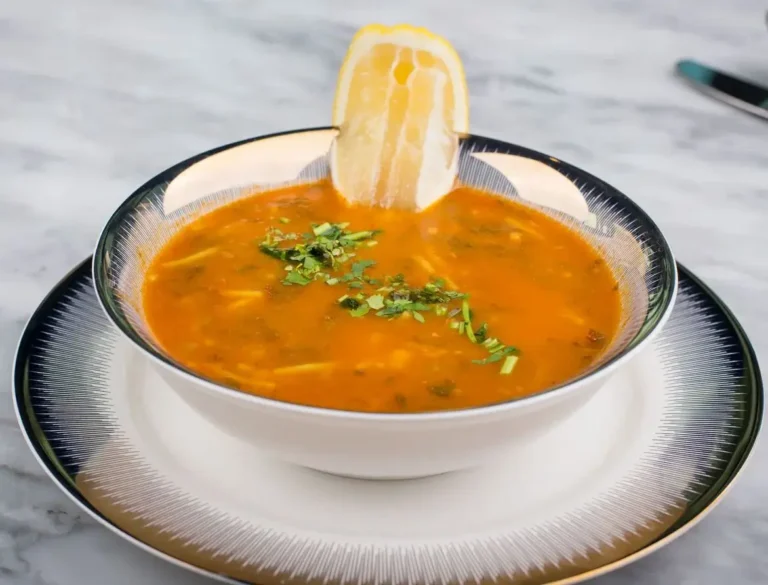
The result is intensely sweet, sticky, fragrant, and deeply addictive. Chebakia is above all associated with Ramadan, when it is traditionally eaten alongside harira soup to break the fast at sunset — the sweetness of the pastry balancing the tartness of the soup in a combination that has been a feature of Moroccan Ramadan tables for centuries.
Making chebakia is a significant undertaking — the dough requires precise handling to achieve the characteristic layered, crispy texture, and the shaping of each piece demands practice. In the weeks before Ramadan, Moroccan households across the country spend entire days making large batches together, the process itself a form of communal bonding. Pastry shops begin selling chebakia year-round, but the quality and freshness of Ramadan-season chebakia — made in huge quantities and sold within hours of production — is noticeably superior.
Price: 80–120 MAD per kilogram in pastry shops, or 5–15 MAD per piece from individual vendors
Kaab el Ghazal — Gazelle’s Ankles
Kaab el ghazal — which translates literally as “gazelle’s ankles,” referring to the elegant curved shape of the pastry — is the most refined of all Moroccan pastries and a fixture of every formal Moroccan celebration. These crescent-shaped cookies are made from a delicate almond paste filling (almond flour, sugar, orange blossom water, and cinnamon) enclosed in a thin pastry shell, then baked until just barely golden.
The best kaab el ghazal are distinguished by the thinness of the pastry — ideally so thin it is almost translucent — and the quality of the almond filling, which should be moist and fragrant rather than dry or overly sweet. A plate of kaab el ghazal accompanied by mint tea is the standard Moroccan reception for honored guests and is one of the finest combinations in the country’s food culture.
Where to find them: The finest kaab el ghazal come from specialist pastry shops (patisseries marocaines) in Fes and Rabat, where the tradition is most rigorously maintained. Look for shops that make them fresh daily rather than selling from pre-packaged boxes.
Price: 100–180 MAD per kilogram
Briouates — Savory and Sweet Pastry Parcels
Briouates are triangular or cylindrical parcels of warqa pastry — the tissue-thin Moroccan pastry that is also used for pastilla — filled with either savory (kefta, chicken, cheese, and herbs) or sweet (almond paste, honey, cinnamon) fillings, then fried until crispy and golden.
Sweet briouates are among the finest Moroccan pastries — the contrast between the paper-thin, shattering pastry shell and the rich, fragrant almond filling is extraordinary. They are typically drizzled with honey and sprinkled with toasted sesame seeds before serving.
Savory briouates filled with kefta and egg or with chicken and preserved lemon are served as appetizers at formal Moroccan dinners and are among the most popular items at Moroccan street food stalls in the evening.
Sfenj — Moroccan Doughnuts
Sfenj are Morocco’s beloved street doughnut — irregular rings of yeasted dough fried in oil until golden, slightly crispy on the outside, and yielding and slightly chewy within. They are threaded onto a piece of palm frond or straw and sold hot from the fryer at stalls throughout Morocco’s cities, typically in the early morning hours only.
Fresh sfenj dusted with sugar and eaten with a glass of café au lait or mint tea constitute one of the most satisfying Moroccan street breakfasts — humble, cheap (1–3 MAD per sfenj), and only available fresh, which gives seeking them out a pleasing urgency.
Msemen Honey and Argan — The Breakfast Pastry
While msemen is primarily a flatbread rather than a pastry in the conventional sense, the combination of freshly made msemen with local honey and argan oil — or with amlou, the Souss Valley paste of toasted almonds, argan oil, and honey — constitutes one of the finest Moroccan pastry experiences available. The layered, flaky texture of the msemen absorbs the honey and oil in a way that produces something greater than the sum of its parts.
Sellou — The Nutritious Festival Paste
Sellou (also called sfouf or zamita depending on the region) is one of the most distinctive and most misunderstood of all Moroccan pastries — a dense, rich paste made from toasted flour, toasted almonds, sesame seeds, anise, cinnamon, and honey, pressed into molds or shaped by hand. It has the consistency of a firm fudge and an intensely nutty, aromatic flavor.
Sellou is particularly associated with Ramadan and the period following childbirth, when it is believed to provide concentrated nutrition and energy. It is not a pastry in the conventional sense — it requires no cooking beyond the initial toasting of the ingredients — but it is one of the most important items in the Moroccan pastry tradition and worth seeking out in any serious exploration of Moroccan pastries.
Baklava Maghrebi Style
While baklava is most associated with Turkish and Levantine pastry traditions, Morocco has its own distinct version of the layered honey and nut pastry that differs from its eastern cousins in using argan oil rather than butter, almonds rather than pistachios, and orange blossom water rather than rose water. The result is lighter, less sweet, and distinctly Moroccan. Found in pastry shops throughout the country, it represents the Andalusian pastry heritage that came to Morocco with the Moorish refugees from Spain.
Where to Find the Best Moroccan Pastries
Fes
Fes is widely considered the capital of Moroccan pastry culture — the city that has most rigorously maintained the elaborate pastry traditions of the medieval Moroccan court. The finest pastry shops in Fes are found in the medina, particularly around the Rcif and Andalous quarters. Look for shops with fresh daily production, visible displays of kaab el ghazal and chebakia, and local customers.
The Café Clock in the Fes medina is a reliable source of good Moroccan pastries alongside excellent coffee — the combination makes it one of the finest morning stops in the city.
Marrakech
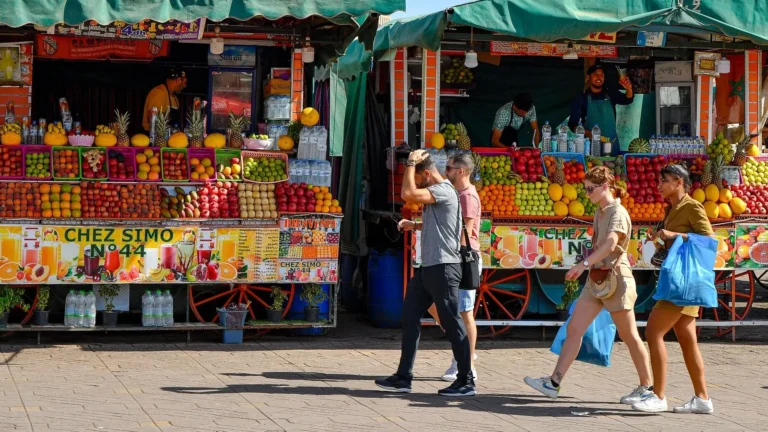
Marrakech has numerous good pastry shops, with the area around the Mellah (the historic Jewish quarter) traditionally known for its pastry production. The Pâtisserie des Princes near Djemaa el-Fna is an Marrakech institution, selling a wide range of Moroccan pastries at reasonable prices. The morning sfenj stalls near Bab Doukkala are among the best in the city.
Rabat
Rabat’s pastry scene is sophisticated and underrated. The Pâtisserie Marocaine shops along Avenue Mohammed V and in the medina produce kaab el ghazal of exceptional quality — the city’s status as Morocco’s administrative capital has sustained a tradition of refined pastry making for official and diplomatic events.
Chefchaouen
Chefchaouen has a distinctive local pastry tradition influenced by its Andalusian heritage. The honey and almond pastries sold in the small shops around Uta el-Hammam square have a delicacy and fragrance that reflects the mountain herbs and local honey of the Rif region.
Buying Moroccan Pastries: Practical Guide
In pastry shops (pâtisseries marocaines): Most Moroccan pastries are sold by weight in specialist pastry shops. Indicate the quantity you want and the shopkeeper will weigh it and price it accordingly. 200–300 grams is a generous quantity for two people to sample several types.
At the souk: Traditional markets throughout Morocco have pastry vendors selling a narrower range of items — typically chebakia, sfenj, and local specialties — at slightly lower prices than specialist shops.
As souvenirs: Moroccan pastries travel reasonably well — kaab el ghazal and chebakia both keep for several days at room temperature and make excellent gifts. Most pastry shops will box selections for travel.
Final Thoughts
Moroccan pastries are one of the country’s great underappreciated pleasures — easily overlooked in the excitement of tagines and couscous, but deeply rewarding for visitors who take the time to seek them out. The best approach is to visit a good pastry shop, ask for a small selection of whatever is freshest, and eat the pastries with a glass of mint tea while watching Morocco happen around you.
For more on Moroccan food culture, read our complete guide to traditional Moroccan dishes and our Moroccan street food guide. For the best restaurants in Morocco’s cities, read our best restaurants in Marrakech guide. For official tourism and food culture information, visit Visit Morocco.
One Comment