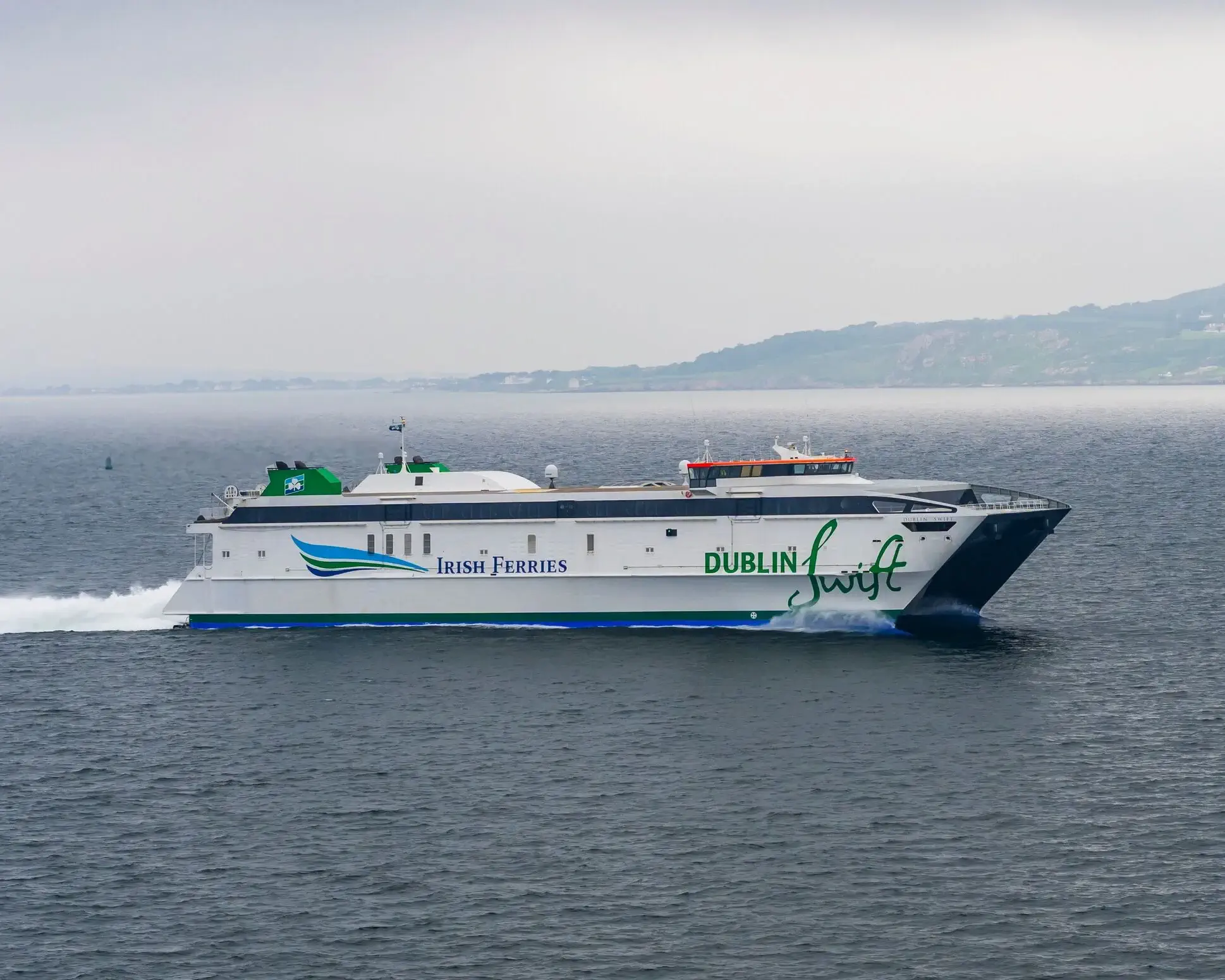
Ferry Morocco Spain: 7 Easy Tips for a Smooth Crossing
The ferry crossing from Spain to Morocco is one of the most dramatic and most historically charged short sea crossings in the world. In less than 35 minutes on the fastest route, you cross from Europe to Africa, from the Mediterranean world to the Maghreb, from the Costa de la Luz to the ancient port of Tangier — a transition so complete and so immediate that the distance feels far greater than the 14 kilometers of water that separate the two continents at the Strait of Gibraltar.
This complete guide to the ferry Morocco Spain crossing covers every route, every operator, all the practicalities of booking and boarding, what to expect on the crossing itself, and how to continue your Morocco journey from Tangier and the other Moroccan port cities.
Why Take the Ferry from Spain to Morocco?
The ferry Morocco Spain crossing offers several significant advantages over flying directly to Morocco.
The experience itself. Crossing the Strait of Gibraltar by ferry — watching the African coast emerge from the horizon as the European coast recedes behind you — is one of the finest short sea crossings in the world. On a clear day, the view of the Rock of Gibraltar, the Moroccan Rif Mountains, and the meeting of the Atlantic and Mediterranean is extraordinary.
Vehicle access. The ferry is the only way to bring your own car or motorcycle to Morocco. For travelers planning a road trip across Morocco, driving onto the ferry in Algeciras or Tarifa and driving off in Tangier provides complete transport independence for the entire journey.
Route flexibility. Flying to Morocco typically means arriving in Casablanca or Marrakech. The ferry Morocco Spain crossing arrives in Tangier, the natural starting point for a north-to-south Morocco itinerary — allowing you to explore the north (Tangier, Chefchaouen, Fes) before working south toward Marrakech and the Sahara.
Cost for groups. For families or groups traveling by car, the combined cost of ferry tickets and fuel can compare favorably with multiple airfares, particularly when the flexibility of having your own vehicle in Morocco is factored in.
Ferry Morocco Spain Routes: The Complete Overview
Several ferry routes operate between Spain and Morocco, varying significantly in crossing time, frequency, and the Moroccan port of arrival.
Tarifa to Tangier Ville (35 minutes)
The fastest ferry Morocco Spain crossing and the most popular for foot passengers. Tarifa, the southernmost town in continental Europe, sits just 14 kilometers from the Moroccan coast and the high-speed ferry crossing takes approximately 35 minutes.
Operator: FRS (Ferries Rápidos del Sur) is the main operator on this route.
Frequency: Multiple crossings daily — typically 8–12 departures per direction per day depending on season.
Price: Approximately 35–55 EUR per person one way. Vehicle prices vary significantly by vehicle size — from approximately 100–200 EUR for a standard car one way.
Port arrival: Tangier Ville — the old port in the center of Tangier, walking distance from the medina and the main city center.
Note: The Tarifa-Tangier Ville route uses fast ferry vessels (catamarans) rather than conventional ferries — the crossing is quick but the vessels are smaller and can be uncomfortable in rough seas. The route is occasionally cancelled in strong winds.
Algeciras to Tangier Med (1 hour 30 minutes)
The most frequent and most heavily used ferry Morocco Spain crossing — the workhorse route connecting the main Spanish port of Algeciras with the massive Tangier Med commercial port.
Operators: Baleària, FRS, Trasmediterránea, and others.
Frequency: Extremely frequent — departures every 1–2 hours throughout the day and night on some operators. This route operates 24 hours a day.
Price: Approximately 30–50 EUR per person one way. Vehicle prices approximately 80–180 EUR for a standard car one way.
Port arrival: Tangier Med port — Morocco’s largest commercial port, located approximately 40 kilometers east of Tangier city center. Tangier Med is a modern, efficient port but requires additional transport (bus or taxi) to reach Tangier city or onward destinations.
Note: Tangier Med is the most convenient port if you are driving straight through Morocco without stopping in Tangier — the motorway connections from Tangier Med south to Casablanca, Fes, and the rest of the country are excellent.
Algeciras to Ceuta (1 hour)
Ceuta is a Spanish autonomous city on the Moroccan coast — technically still Spain, but with a land border with Morocco. The ferry from Algeciras to Ceuta is technically not a ferry Morocco Spain crossing to Morocco proper, but many travelers use this route to enter Morocco via the Ceuta-Fnideq land border crossing.
Operators: Baleària, Trasmediterránea.
Frequency: Multiple crossings daily.
Price: Approximately 25–40 EUR per person one way. Vehicle prices approximately 60–150 EUR for a standard car.
Note: The Ceuta border crossing can have long queues — particularly on Friday evenings and weekends. Factor in potential 1–3 hour waits at the border when planning your timing. This route is more complex than the direct Tarifa or Algeciras to Tangier routes and is not recommended for first-time Morocco visitors.
Almería to Nador (5–7 hours)
A longer overnight ferry Morocco Spain crossing connecting Almería on Spain’s Costa del Sol with Nador on Morocco’s Mediterranean coast.
Operators: Baleària, Trasmediterránea.
Frequency: Several crossings per week — not daily on all operators.
Price: Approximately 50–80 EUR per person one way (seat). Cabin options available for overnight crossings at additional cost. Vehicle prices approximately 100–200 EUR for a standard car.
Note: This route is primarily used by Moroccan workers returning home from Spain and by travelers heading directly to the northeast of Morocco (Oujda, Fes via the eastern route). Less useful for the standard Morocco tourist circuit.
Barcelona to Tangier Med (27–30 hours)
A long overnight ferry Morocco Spain crossing connecting Barcelona with Tangier Med.
Operators: GNV (Grandi Navi Veloci), Baleària.
Frequency: Several crossings per week.
Price: Approximately 80–150 EUR per person in a seat. Cabin prices significantly higher. Vehicle prices approximately 150–300 EUR.
Note: This is a practical option for travelers driving from central or northern Europe who want to avoid the long drive through Spain. The crossing is long enough to warrant a cabin for a comfortable crossing.
The Best Ferry Morocco Spain Route for Most Travelers
For most travelers making their first Morocco trip by ferry, the Tarifa to Tangier Ville route is the recommendation — the shortest crossing, the most dramatic experience, the most central Moroccan port arrival, and the easiest logistics for foot passengers.
For travelers with a car, the Algeciras to Tangier Med route is often more practical — the larger vessels handle vehicles more efficiently, the frequency is higher, and the Tangier Med motorway connections make onward driving straightforward.
How to Book a Ferry to Morocco from Spain
Online Booking
All major ferry Morocco Spain operators allow online booking. The following booking platforms aggregate multiple operators and allow price comparison:
Direct operator websites:
- FRS: frs.es
- Baleària: balearia.com
- Trasmediterránea: trasmediterranea.es
- GNV: gnv.it
Aggregator platforms:
- Ferriesinmorocco.com — specialized Morocco ferry booking platform
- Directferries.com — compares multiple operators across all routes
- Aferry.com — English-language aggregator with good route coverage
Online booking is strongly recommended during peak periods — particularly July and August when Moroccan workers return home for summer holidays and the ferries can be completely full days in advance.
At the Port
Tickets can be purchased at the port on the day of travel on most routes during quieter periods. During peak season (July, August, and the Eid holiday periods) this is very risky — ferries can be fully booked and you may wait hours or days for space.
What You Need to Book
- Passport details for all passengers (Moroccan citizens may need additional documentation — check with the operator)
- Vehicle registration number and dimensions if traveling by car
- Credit or debit card for payment
What to Expect at the Port
Spanish Side (Tarifa or Algeciras)
Arrive early. Port authorities recommend arriving at least 1 hour before departure for foot passengers and 2 hours for vehicles. During peak season, allow additional time.
Check-in: Present your ticket (printed or on your phone) and passport at the check-in desk. Receive your boarding pass.
Security: Luggage goes through an X-ray machine. Passport control is handled on the Moroccan side rather than in Spain.
Boarding: Follow signs to the correct terminal and gate. Boarding typically begins 20–30 minutes before departure.
The Crossing
The ferry Morocco Spain crossing on the fast Tarifa-Tangier route takes approximately 35 minutes — barely enough time to settle before you arrive. The view from the deck during this crossing is the finest part of the experience — take the time to stand outside and watch the African coast approaching.
On longer routes (Algeciras-Tangier Med, Almería-Nador), the crossing time allows for food (cafeteria-style restaurants on board), rest, and the pleasure of watching the scenery change from European Mediterranean to North African.
Rough sea warning: The Strait of Gibraltar is notorious for sudden strong winds and significant wave action. The fast catamarans on the Tarifa route are particularly susceptible to rough conditions — if you are prone to seasickness, take medication before boarding and consider the longer but more stable conventional ferry options.
Moroccan Side — Arriving in Tangier
Passport control: All passengers pass through Moroccan passport control on arrival. Have your passport ready and your entry card completed — entry cards are distributed on the ferry and should be filled in before docking.
Customs: Standard customs procedures apply. Declare any currency above 100,000 MAD equivalent. Read our Morocco visa requirements guide for full entry requirements.
Currency exchange: Currency exchange desks operate at Tangier port — rates are acceptable though not always the best available in the city. Withdraw dirhams from the ATM at the port for better rates.
Onwards from Tangier Ville port: The port is centrally located in Tangier — the medina is a 10-minute walk and the train station (for Al Boraq connections south) is approximately 4 kilometers away. Petit taxis are available immediately outside the port exit for 20–40 MAD to most city destinations.
Onwards from Tangier Med port: The port is 40 kilometers from Tangier city center. Buses connect the port to Tangier and other Moroccan cities — check schedules at the port terminal. Taxis are also available but negotiate prices carefully. The motorway south toward Casablanca and Fes begins directly at the port.
Traveling by Car on the Ferry Morocco Spain Crossing
Taking your car across on the ferry Morocco Spain crossing opens up Morocco entirely differently from public transport travel — the freedom to stop at viewpoints, explore remote valleys, and reach destinations without bus schedules or taxi negotiations is genuinely transformative.
Practical considerations for driving in Morocco:
- Your standard EU driving license is valid in Morocco for stays up to 90 days
- Third-party liability insurance is mandatory — check whether your existing car insurance covers Morocco before departure. Many European policies do not automatically include Morocco and a supplement or separate policy may be needed
- Moroccan petrol stations are abundant on major routes but scarce in remote areas — fill up whenever possible
- The motorway network is excellent; secondary roads vary significantly in quality
For everything you need to know about driving in Morocco, read our complete car rental and driving guide.
Getting to the Spanish Ferry Ports
Getting to Tarifa
Tarifa is located at the southern tip of Spain, approximately 100 kilometers from Málaga and 22 kilometers from Algeciras.
By bus: Direct buses run from Algeciras bus station to Tarifa (approximately 30 minutes, frequent service). Buses also run from Málaga (approximately 2.5 hours via Algeciras).
By car: Tarifa is easily reached via the A-7 motorway along the Costa del Sol from Málaga or from Seville via the A-381.
From other European cities: Most travelers reach Tarifa via Málaga or Seville airports, both of which have good connections to major European cities.
Getting to Algeciras
Algeciras is the main ferry port for Morocco crossings and the most connected to the Spanish transport network.
By train: Regular RENFE train services run to Algeciras from Málaga (approximately 2.5 hours) and from Madrid (approximately 5–6 hours via Málaga or Bobadilla).
By bus: ALSA buses connect Algeciras with Madrid, Málaga, Seville, Granada, and other major Spanish cities.
By car: Algeciras is on the A-7 motorway and the AP-7 toll motorway along the Costa del Sol.
Tips for a Smooth Ferry Morocco Spain Crossing
Book in advance during peak season. July and August see enormous volumes of Moroccan diaspora travelers returning home — ferries are frequently fully booked a week or more in advance. If your trip includes a summer ferry Morocco Spain crossing, book as far in advance as possible.
Travel on weekdays. Friday and Sunday crossings are significantly busier than Tuesday, Wednesday, and Thursday. If you have flexibility in your travel dates, mid-week crossings are consistently quicker and less stressful.
Check cancellation policies. The Tarifa fast ferry route is subject to weather cancellations — strong winds (levante) can ground the fast catamarans for days. If your schedule is tight, booking on the more weather-resilient Algeciras routes provides better reliability.
Arrive with cash in dirhams. The first hours in Morocco go more smoothly with local currency available. Withdraw at the port ATM on arrival or exchange at the port desk.
Keep documents accessible. Passport, ferry ticket, and (for drivers) vehicle registration and insurance documents should be immediately accessible throughout the boarding and arrival process.
Be alert to your surroundings at port. Major ports attract opportunistic approaches from individuals offering help with luggage, currency exchange, or transport. While most are harmless, maintain awareness of your belongings and decline unsolicited assistance politely. Read our tourist scams Morocco guide for broader advice on navigating such situations.
Combining the Ferry with a Morocco Itinerary
The ferry Morocco Spain crossing works most naturally as part of a north-to-south Morocco itinerary — arriving in Tangier, spending a day or two exploring the city, continuing to Chefchaouen and Fes, then south through the Atlas to Marrakech and the Sahara.
This approach gives Morocco its natural geographical logic — entering at the point where the country faces Europe and traveling progressively deeper into Africa — and allows the gradual immersion in Moroccan culture that produces the richest travel experience.
For the complete north-to-south Morocco itinerary, read our 14 Days in Morocco guide which begins in Tangier and incorporates all the major destinations along the route south.
For travelers already in Morocco who want to make a day trip to Spain, the ferry Morocco Spain crossing works equally well in reverse — Tangier to Tarifa for a day in southern Andalusia is a genuinely enjoyable excursion for travelers based in northern Morocco.
Final Thoughts
The ferry Morocco Spain crossing is more than a mode of transport — it is one of the finest short journeys in travel. Standing on the deck as the African coast emerges from the morning haze, the white buildings of Tangier becoming distinct against the green Rif hills behind, with the Rock of Gibraltar still visible astern and the Atlantic and Mediterranean meeting in the strait below — this is a moment of genuine geographical and historical drama that sets the tone for everything that follows in Morocco.
Take the fast boat from Tarifa for the pure experience of the crossing. Or drive your car onto the Algeciras ferry for the freedom it brings in Morocco. Either way, cross the strait. Africa is waiting.
For more Morocco travel planning, read our Tangier travel guide, our Morocco airports guide, and our 7 Days in Morocco itinerary. For official ferry information, visit Visit Morocco.