
Chefchaouen Travel Guide: Why You Should Visit Morocco’s Famous Blue City
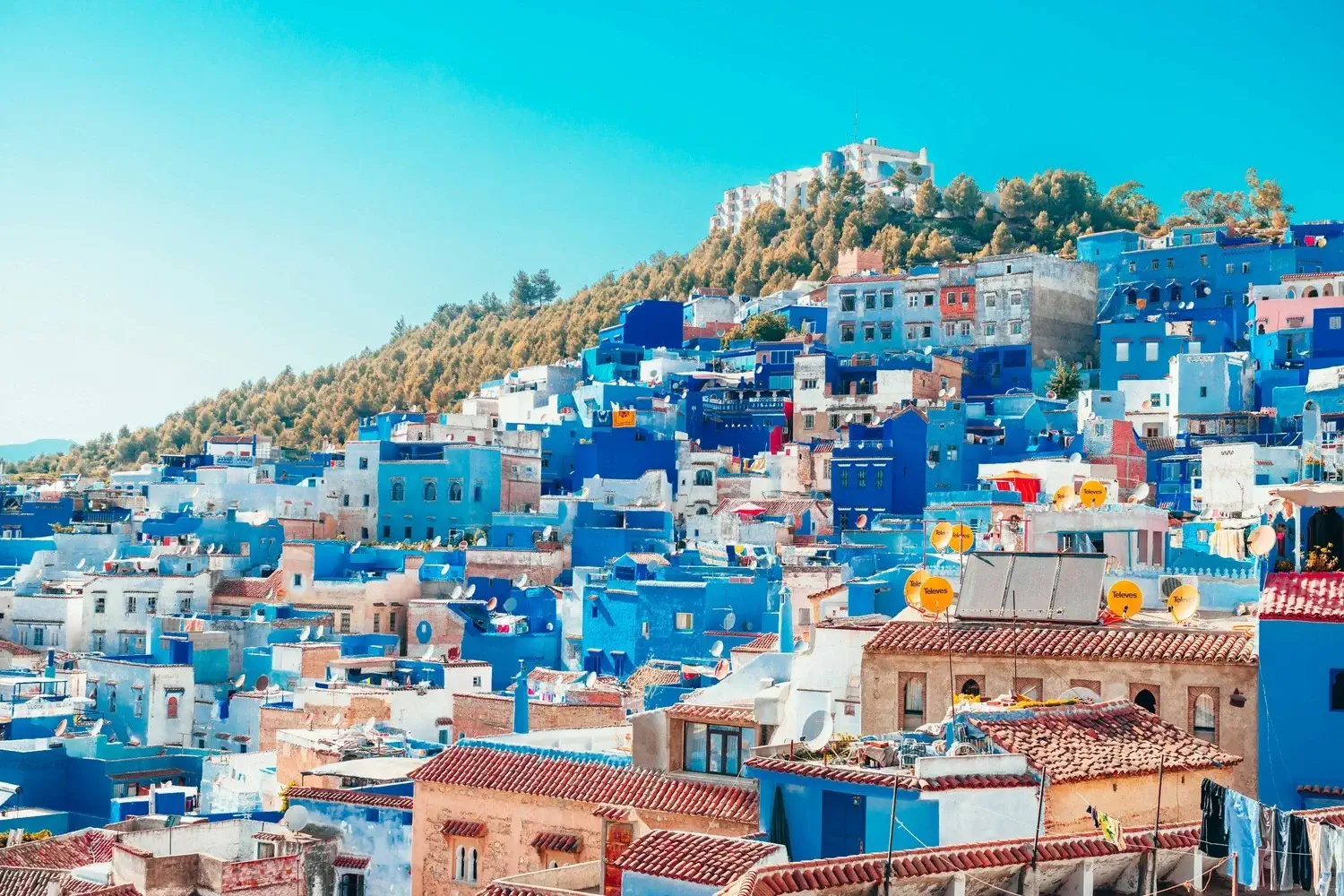
There are places in the world that look exactly like their photographs, and Chefchaouen is one of them. The blue city of Morocco — its medina washed in an infinite spectrum of cobalt, turquoise, indigo, and sky blue — is as breathtaking in person as it appears in every travel image you have ever seen. But what makes Chefchaouen truly special is not the color. It is the atmosphere: unhurried, cool, mountain-fresh, and completely unlike anywhere else in Morocco.
This Chefchaouen travel guide covers everything you need to know to make the most of your visit to Morocco’s most photogenic city — from the best things to do and where to eat, to where to stay, how to get there, and the practical details that make the difference between a good trip and a great one.
Why Chefchaouen is Unlike Any Other City in Morocco
Chefchaouen sits in the Rif Mountains of northern Morocco, approximately 110 kilometers from Tangier and 200 kilometers from Fes. Founded in 1471, the city served for centuries as a refuge for Muslims and Jews expelled from Spain, and its distinctive blue-painted walls are thought to have been introduced by Jewish settlers in the 1930s who associated the color with the sky and heaven.
Today, Chefchaouen blue city is one of the most visited destinations in Morocco — and yet, despite the tourists and the Instagram cameras, it has retained a quality of life and a pace that feels genuinely different from the intensity of Marrakech or Fes. The medina is small enough to navigate easily, the locals are notably less aggressive with touts and unofficial guides, and the surrounding mountains provide a natural escape valve when the city feels too crowded.
For solo travelers, for first-time visitors to Morocco, and for anyone who finds Marrakech overwhelming, Chefchaouen blue city offers a gentler, more approachable introduction to Moroccan culture without sacrificing any of the authentic atmosphere.
The Best Things to Do in Chefchaouen
Explore the Blue Medina
The medina of Chefchaouen blue city is small by Moroccan standards — you can walk from one end to the other in twenty minutes — but it rewards slow, aimless wandering more than almost any other place in Morocco. Every alley, every doorway, every staircase offers a new shade of blue and a new composition of light and shadow.
The most photographed area is the upper medina around the Plaza Uta el-Hammam and the streets that rise above it toward the Spanish Mosque. Early morning — before 8 AM — is when the blue city is at its most magical, with soft light filtering through the narrow alleys and almost no other tourists in sight. This is the time to be here.
Don’t try to photograph everything. Put the camera down occasionally and simply sit in one of the small squares with a mint tea and watch the city move around you. Chefchaouen blue city reveals itself most fully to those who slow down.
Visit the Kasbah and Plaza Uta el-Hammam
The heart of Chefchaouen blue city is Plaza Uta el-Hammam, a large square shaded by tall trees and surrounded by cafés, restaurants, and the walls of the old kasbah. The kasbah houses a small ethnographic museum and a beautiful Andalusian garden. Entry costs 10 MAD and is worth it for the rooftop view over the medina and the surrounding Rif Mountains.
The plaza itself is the social hub of the city. Sit here in the afternoon or evening and you will see Chefchaouen at its most relaxed — locals playing cards, children running between tables, cats weaving through chairs, and the air scented with wood smoke and mint tea.
Hike to the Spanish Mosque
One of the best experiences in Chefchaouen blue city costs nothing and takes about 30 minutes each way. From the upper medina, a footpath climbs through olive groves to the ruined Spanish Mosque on the hillside above the city. The view from here — particularly at sunset, when the blue rooftops catch the golden light and the Rif Mountains rise dramatically behind — is one of the finest in Morocco.
Start the hike in the late afternoon to arrive at sunset, then make your way back down through the medina in the early evening when the city is beautifully lit and the cafés are full.
Shop for Local Crafts
Chefchaouen blue city has a distinct craft tradition that differs from the busier souks of Marrakech and Fes. The specialty here is woolen goods — blankets, ponchos, and djellabas woven from the wool of mountain sheep in a style that blends Berber and Andalusian influences. You will also find leather goods, ceramic plates in the signature blue and white palette, and woven baskets.
Bargaining is expected but the atmosphere is noticeably less pressured than in other Moroccan medinas. Take your time, browse without obligation, and you will find genuinely beautiful pieces to bring home.
Day Trip to the Akchour Waterfalls
Approximately 30 kilometers from Chefchaouen blue city, the Akchour waterfalls are one of the most beautiful natural attractions in northern Morocco. A hiking trail through a dramatic river gorge leads to a series of cascading waterfalls surrounded by lush green vegetation — a striking contrast to the arid landscapes of southern Morocco.
The hike to the lower falls takes about 45 minutes each way and is suitable for most fitness levels. The upper falls require an additional two hours of hiking on more challenging terrain. A grand taxi from Chefchaouen to the trailhead costs approximately 20–30 MAD per person.
Where to Eat in Chefchaouen
Chefchaouen blue city has a distinctive cuisine influenced by its Andalusian heritage and mountain location. Look for dishes featuring goat meat, mountain herbs, and local honey that you will not find in the same form anywhere else in Morocco.
Plaza Uta el-Hammam is lined with restaurants that are perfectly positioned for people-watching but tend toward the tourist end of the spectrum in terms of price and menu. Better value and more authentic food can be found in the small restaurants tucked into the side streets above and below the main square.
Local specialties to try: Harira soup, msemen flatbread served with local honey and argan oil, goat tagine with mountain herbs, and the local kefta (spiced meatballs) which are noticeably different in flavor from those served in Marrakech.
Budget: Expect to pay 50–80 MAD for a main course in a mid-range restaurant, or 20–40 MAD for street food and café snacks.
Where to Stay in Chefchaouen
Like all Moroccan medinas, Chefchaouen blue city is best experienced from within — staying inside the medina in a small guesthouse or riad puts you at the heart of the blue city’s atmosphere and allows you to experience it in the early morning and late evening when the day visitors have left.
Budget: Several excellent small guesthouses and hostels in the medina offer dormitory beds for 80–150 MAD per night and private rooms for 200–400 MAD. Dar Gemeya and Casa Perleta are consistently well-reviewed budget options.
Mid-range: A mid-range riad in the medina typically costs 400–800 MAD per night for a double room with breakfast. Look for properties with rooftop terraces — the views over the blue rooftops at night are extraordinary.
Luxury: Chefchaouen blue city has a handful of beautifully restored boutique properties that combine traditional Moroccan architecture with contemporary comfort. Expect to pay 1,000–2,500 MAD per night for the best options.
How to Get to Chefchaouen
From Tangier: Chefchaouen is 110 kilometers from Tangier, making it the most logical first stop for travelers arriving by ferry from Spain. CTM buses run several times daily (journey time approximately 3 hours, cost 60–80 MAD). Grand taxis are also available from Tangier’s main taxi stand.
From Fes: Chefchaouen is approximately 200 kilometers from Fes. CTM operates a direct bus service (journey time 4–5 hours, cost 70–100 MAD). This is one of the most popular routes in Morocco for backpackers combining the two cities.
From Marrakech: There is no direct public transport from Marrakech to Chefchaouen blue city. Most travelers take a train or bus to Fes and then continue by CTM bus, or take an overnight bus to Tangier and connect from there. Total journey time is approximately 10–12 hours by public transport.
By Car: Chefchaouen is easily accessible by car from Fes (approximately 3 hours via the N8 highway) or Tangier (approximately 2 hours). The mountain roads approaching the city are scenic but require careful driving, particularly in wet weather.
Practical Tips for Visiting Chefchaouen
- Best time to visit: April to June and September to November offer the most pleasant temperatures. July and August bring large crowds and can be uncomfortably hot in the afternoons.
- How long to stay: Two nights is the minimum to experience Chefchaouen blue city properly — one day for the medina and one day for a hike or day trip. Three nights is ideal.
- Cash: ATMs are available in Chefchaouen but can run out of cash during busy periods. Bring enough dirhams from Fes or Tangier to cover your stay.
- Photography: The best light for photographing the blue city is in the early morning (before 8 AM) and the hour before sunset. Midday light is harsh and the alleyways are crowded.
- Respect local customs: Chefchaouen is more conservative than Marrakech. Dress modestly, particularly when away from the main tourist areas.
Final Thoughts
Chefchaouen blue city is one of those rare destinations that genuinely lives up to its reputation. The photographs are accurate — the blue is real and extraordinary — but the photographs cannot capture the smell of the mountain air, the sound of the call to prayer echoing off the walls, or the feeling of wandering through streets that seem to belong to another century entirely.
Come early, stay late, put the camera down occasionally, and let Chefchaouen blue city reveal itself to you at its own pace. You will not regret it.
For more Morocco travel inspiration, read our complete guide to Moroccan hospitality and customs and our solo female travel Morocco guide. For accommodation booking, visit Visit Morocco.
5 Comments