
Casablanca Travel Guide (2026): Best Things to Do, Where to Stay & Travel Tips
Casablanca Travel Guide: Everything You Need to Know Before Visiting Morocco’s Largest City
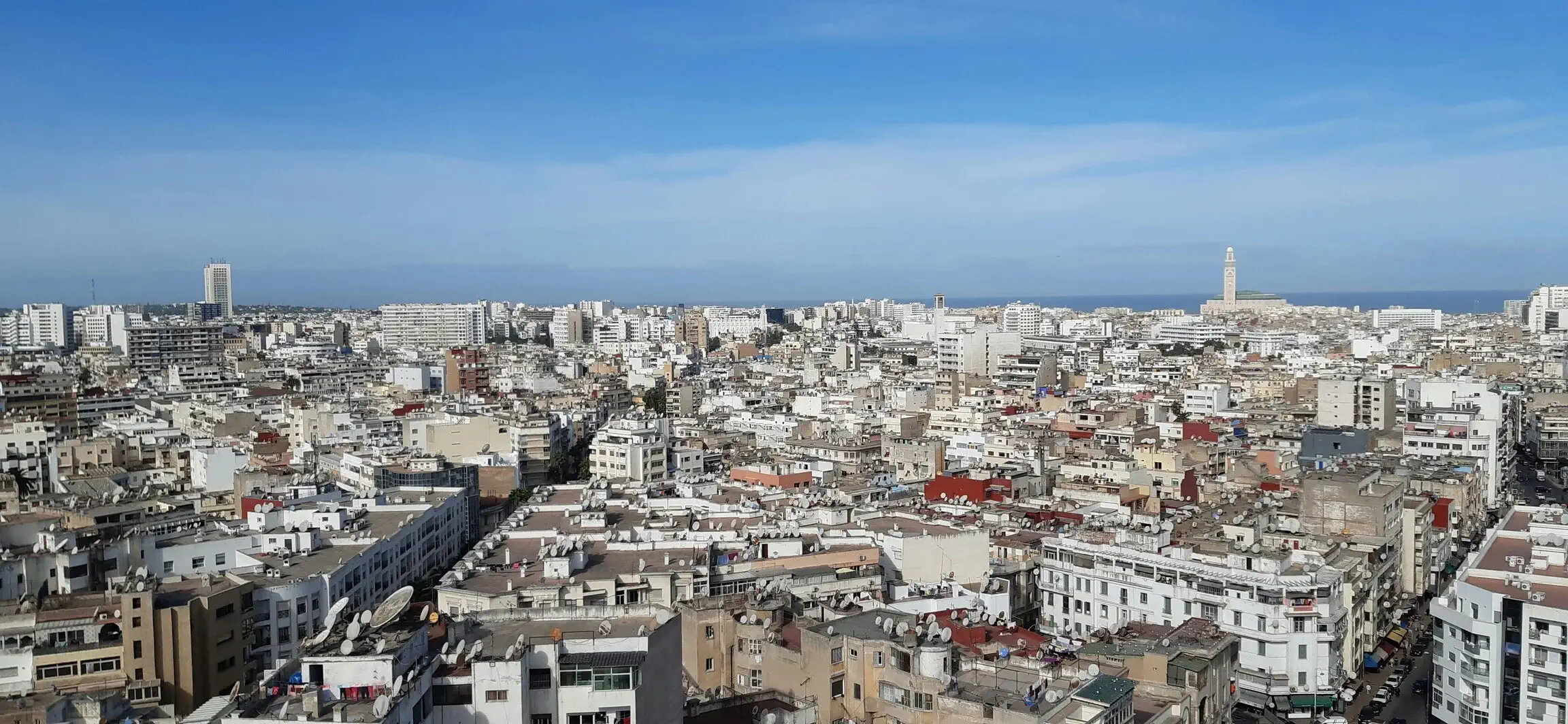
If you’re searching for the ultimate Casablanca travel guide, you’ve probably noticed that this city receives mixed reviews from travelers. Some visitors expect a traditional Moroccan destination filled with winding medinas, colorful souks, and ancient riads. Instead, they discover a fast-paced modern city with wide boulevards, skyscrapers, business districts, and one of Africa’s busiest ports.
The truth is that Casablanca offers a completely different experience from Marrakech, Fes, or Chefchaouen.
Rather than competing with Morocco’s imperial cities, Casablanca has developed its own identity. It is Morocco’s economic heart, a center for finance and international business, and a city where contemporary architecture stands alongside historic landmarks. Visitors who arrive with realistic expectations often discover vibrant neighborhoods, excellent seafood restaurants, beautiful Atlantic views, remarkable Art Deco buildings, and one of the world’s most impressive mosques.
This comprehensive Casablanca travel guide will help you discover the city’s top attractions, learn where to stay, find the best restaurants, understand local transportation, and plan the perfect itinerary for your visit.
Whether you only have one day or several days to explore, Casablanca deserves much more than being just an airport stop before traveling elsewhere in Morocco.
Why Visit Casablanca?
Many travelers ask whether Casablanca is worth visiting.
The answer depends on the type of experience you’re looking for.
If your dream is to wander through medieval medinas and centuries-old kasbahs, cities like Marrakech or Fes may better match your expectations.
However, if you’re interested in experiencing modern Morocco, Casablanca is one of the country’s most rewarding destinations.
Unlike Morocco’s traditional tourist cities, Casablanca is where everyday Moroccan life unfolds. It is home to multinational companies, luxury hotels, contemporary art galleries, stylish cafés, fashionable shopping districts, and an impressive coastline overlooking the Atlantic Ocean.
One of the biggest reasons travelers include Casablanca in their Morocco itinerary is the magnificent Hassan II Mosque. Built partly over the Atlantic Ocean, it is considered one of the greatest architectural masterpieces in the Islamic world.
Beyond the famous mosque, visitors can enjoy elegant Art Deco architecture, lively seaside promenades, world-class seafood, vibrant nightlife, and an authentic urban atmosphere rarely found in more tourist-oriented destinations.
This Casablanca travel guide recommends spending at least one full day in the city, while two days allow enough time to explore its diverse neighborhoods at a relaxed pace.
Casablanca at a Glance
Before exploring the best attractions, it’s useful to understand what makes Casablanca unique.
Casablanca is Morocco’s largest city, with a metropolitan population of more than four million residents. It serves as the country’s commercial capital and is responsible for a significant share of Morocco’s economy.
Unlike cities that developed around ancient medinas, much of Casablanca’s modern appearance was shaped during the French Protectorate between 1912 and 1956. As a result, visitors will notice wide European-style avenues, elegant Art Deco buildings, and carefully planned districts alongside traditional Moroccan neighborhoods.
The city is also Morocco’s most important transportation hub. International flights arrive daily at Mohammed V International Airport, while high-speed trains connect Casablanca with Rabat, Tangier, Kenitra, and other major cities.
Another reason this Casablanca travel guide recommends spending time here is its cultural diversity. Casablanca blends Moroccan traditions with French influence, international business culture, and a growing creative scene that includes museums, galleries, design studios, and music venues.
Instead of trying to recreate Morocco’s past, Casablanca embraces its future while preserving many remarkable architectural and cultural treasures.
Best Time to Visit Casablanca
One of the advantages of Casablanca is its pleasant climate throughout the year.
Thanks to its Atlantic location, temperatures remain milder than in inland cities such as Marrakech or Fes.
Spring (March to May)
Spring is considered one of the best seasons to follow this Casablanca travel guide. Comfortable temperatures, blooming gardens, and sunny days make sightseeing enjoyable.
Average temperatures range from 18°C to 24°C (64°F–75°F).
Summer (June to August)
Unlike much of Morocco, Casablanca remains relatively cool during summer because of the Atlantic breeze.
Average temperatures usually stay between 24°C and 28°C (75°F–82°F), making it an excellent destination for travelers who want to avoid extreme desert heat.
The Corniche and Ain Diab Beach become especially lively during this period.
Autumn (September to November)
Autumn offers warm weather, fewer tourists, and pleasant evenings.
Many travelers consider this the ideal season for photography and walking tours through downtown Casablanca.
Winter (December to February)
Winters are generally mild.
Although occasional rain showers occur, daytime temperatures usually remain around 16°C–20°C (61°F–68°F).
This makes Casablanca one of Morocco’s best year-round destinations.
Is Casablanca Worth Visiting?
Absolutely.
Many visitors initially underestimate Casablanca because it lacks the traditional image often associated with Morocco. However, those who spend time exploring soon discover that it offers a completely different side of the country.
From the breathtaking Hassan II Mosque to the city’s elegant Art Deco streets, modern cafés, seafood restaurants, shopping districts, museums, and oceanfront promenades, Casablanca delivers an experience unlike anywhere else in Morocco.
This Casablanca travel guide is designed to help you experience the city beyond its reputation as a transit hub and discover why it deserves a place on every Morocco itinerary.
The 10 Best Things to Do in Casablanca
No Casablanca travel guide would be complete without highlighting the city’s most iconic attractions. While Casablanca may not have the maze-like medinas of Fes or the bustling souks of Marrakech, it offers a unique blend of modern architecture, cultural landmarks, seaside experiences, and local neighborhoods that reveal a different side of Morocco.
Whether you’re visiting for one day or planning a weekend getaway, these are the top attractions you shouldn’t miss.
1. Visit the Magnificent Hassan II Mosque
Every Casablanca travel guide begins with the Hassan II Mosque—and for good reason.
Standing dramatically on the edge of the Atlantic Ocean, this architectural masterpiece is one of the largest mosques in the world and the undisputed symbol of Casablanca. Completed in 1993, the mosque features the world’s tallest minaret, rising approximately 210 meters (689 feet) above the city skyline.
What makes the Hassan II Mosque truly extraordinary is its breathtaking craftsmanship. More than 35,000 Moroccan artisans spent years creating intricate zellige tilework, carved cedar wood ceilings, hand-sculpted plaster, and elegant marble floors using traditional techniques passed down through generations.
Unlike most mosques in Morocco, the Hassan II Mosque welcomes non-Muslim visitors through guided tours, making it one of the country’s most accessible religious landmarks.
Inside, visitors are amazed by the enormous prayer hall, retractable roof, and massive chandeliers. Large glass windows overlook the crashing Atlantic waves, creating one of the most spectacular settings found anywhere in the Islamic world.
Travel Tip: Book your guided tour early in the day to avoid crowds and enjoy softer lighting for photography.
2. Explore Casablanca’s Stunning Art Deco District
One of the biggest surprises mentioned in every modern Casablanca travel guide is the city’s remarkable Art Deco architecture.
During the French Protectorate (1912–1956), Casablanca became one of the world’s largest urban planning projects. Architects combined European Art Deco with traditional Moroccan craftsmanship, creating a distinctive architectural style known as Mauresque.
Walking through downtown Casablanca feels completely different from exploring Morocco’s imperial cities.
Some of the most beautiful streets include:
- Boulevard Mohammed V
- Place Mohammed V
- Rue Prince Moulay Abdellah
- Boulevard Hassan II
As you stroll through the city center, you’ll notice elegant balconies, decorative ironwork, colorful mosaics, carved arches, and geometric facades that blend French design with Moroccan artistic traditions.
Photography lovers will especially enjoy wandering these streets during the golden hours of sunrise or late afternoon.
This area alone makes Casablanca one of the most underrated destinations for architecture enthusiasts visiting Morocco.
3. Walk Along the Corniche and Ain Diab
If you’re wondering where locals spend their weekends, every Casablanca travel guide points toward the Corniche.
Stretching along the Atlantic coastline, this lively waterfront promenade is one of the city’s favorite gathering places.
The Corniche offers:
- Ocean views
- Palm-lined walking paths
- Beach clubs
- Seafood restaurants
- Trendy cafés
- Luxury hotels
- Sunset viewpoints
During the evening, families, couples, joggers, and cyclists fill the promenade, creating a relaxed atmosphere that feels completely different from the busy city center.
Just south of the Corniche lies Ain Diab Beach.
Although Morocco has more spectacular beaches elsewhere, Ain Diab remains Casablanca’s most popular urban beach. During summer, locals come here to swim, surf, relax in cafés, and enjoy fresh seafood overlooking the Atlantic Ocean.
For first-time visitors following this Casablanca travel guide, spending an evening watching the sunset along the Corniche is highly recommended.
4. Wander Through the Old Medina
Unlike the famous medinas of Marrakech or Fes, Casablanca’s Old Medina is smaller and less crowded.
That is exactly what makes it interesting.
This historic quarter offers a glimpse into everyday local life away from large tourist groups.
Inside the narrow streets you’ll find:
- Small bakeries
- Traditional grocery stores
- Local cafés
- Handcrafted goods
- Neighborhood mosques
- Friendly shopkeepers
While the Old Medina is not Casablanca’s main attraction, it provides a fascinating contrast to the city’s modern skyline.
Many photographers enjoy capturing the striking view of the Hassan II Mosque rising above the historic rooftops.
A leisurely walk through the medina usually takes around 30 to 45 minutes.
5. Discover the Habous Quarter (New Medina)
Among all recommendations in this Casablanca travel guide, the Habous Quarter remains one of the city’s hidden gems.
Also known as the New Medina, this neighborhood was built during the 1930s as a carefully planned Moroccan district.
Unlike the maze-like layout of older medinas, Habous features:
- Wide pedestrian streets
- Beautiful archways
- Elegant courtyards
- Traditional Moroccan architecture
- Quiet squares
- Artisan boutiques
It’s one of the best places in Casablanca to shop for authentic Moroccan products without dealing with overwhelming crowds.
Popular souvenirs include:
- Leather goods
- Handmade ceramics
- Traditional slippers
- Argan oil
- Moroccan spices
- Quality carpets
- Local pastries
Don’t miss the famous olive market and traditional bakeries that have served locals for generations.
6. Visit Villa des Arts
Art lovers should definitely include Villa des Arts in their Casablanca travel guide itinerary.
Housed inside a beautifully restored Art Deco villa, this cultural center hosts rotating exhibitions featuring both Moroccan and international artists.
The museum regularly showcases:
- Contemporary paintings
- Photography
- Sculpture
- Digital art
- Cultural events
Even if you’re not an art enthusiast, the architecture alone makes Villa des Arts worth visiting.
Admission is often free, making it one of Casablanca’s best-value attractions.
7. Enjoy Dinner at Rick’s Café
Few places generate as much curiosity as Rick’s Café.
Inspired by the legendary Hollywood film Casablanca, this elegant restaurant recreates the romantic atmosphere of the famous movie—even though the film itself was never actually shot in Morocco.
Today, Rick’s Café has become one of the city’s most iconic dining experiences.
Visitors come for:
- Live piano music
- Elegant Moroccan interiors
- Candlelit dining
- Fine Moroccan cuisine
- International dishes
- Beautiful courtyard
Reservations are highly recommended, especially during weekends and peak tourist seasons.
Even travelers who normally avoid tourist attractions often admit that Rick’s Café exceeds expectations.
8. Shop at Morocco Mall
No modern Casablanca travel guide would be complete without mentioning Morocco Mall.
As one of Africa’s largest shopping centers, it combines luxury shopping with entertainment and architecture.
Inside you’ll find:
- International fashion brands
- Moroccan designers
- Restaurants
- Coffee shops
- Family entertainment
- Indoor aquarium
Whether you’re shopping or simply escaping the afternoon heat, Morocco Mall offers a completely different perspective on modern Morocco.
9. Taste Fresh Seafood at the Central Market
Food lovers should never leave Casablanca without visiting the Central Market (Marché Central).
Every morning, local fishermen deliver fresh seafood directly to the market.
Visitors can choose from:
- Lobster
- Shrimp
- Oysters
- Sardines
- Sea bass
- Calamari
- Crab
After selecting your seafood, nearby restaurants prepare everything exactly the way you like it.
This experience is one of the highlights of every Casablanca travel guide, offering exceptional quality at affordable prices.
10. Experience Casablanca’s Modern Skyline
While Casablanca is famous for its historic architecture, its skyline represents Morocco’s modern ambitions.
Areas around Twin Center, Maarif, and Casablanca Finance City showcase impressive office towers, luxury hotels, rooftop restaurants, and stylish shopping districts.
This side of Casablanca surprises many visitors who expect only traditional Morocco.
Spend an evening enjoying panoramic city views from one of the rooftop cafés before ending your day with dinner overlooking the illuminated skyline.
Why These Attractions Make Casablanca Worth Visiting
After exploring these landmarks, it’s easy to understand why more travelers are beginning to appreciate Morocco’s largest city.
This Casablanca travel guide shows that the city offers far more than a quick stop before catching a train or flight. From the breathtaking Hassan II Mosque and elegant Art Deco architecture to the lively Corniche, authentic neighborhoods, cultural institutions, and outstanding seafood, Casablanca combines tradition and modernity in a way that no other Moroccan city does.
For travelers seeking an authentic urban experience beyond the classic tourist route, Casablanca is well worth adding to any Morocco itinerary.
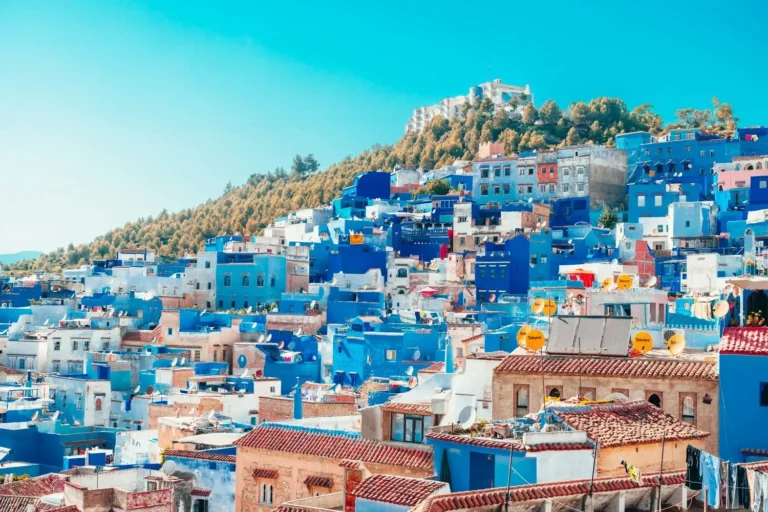
For more Morocco city inspiration, read our 3 Days in Marrakech itinerary and our Chefchaouen travel guide. For official tourism information, visit Visit Morocco.
2 Comments