
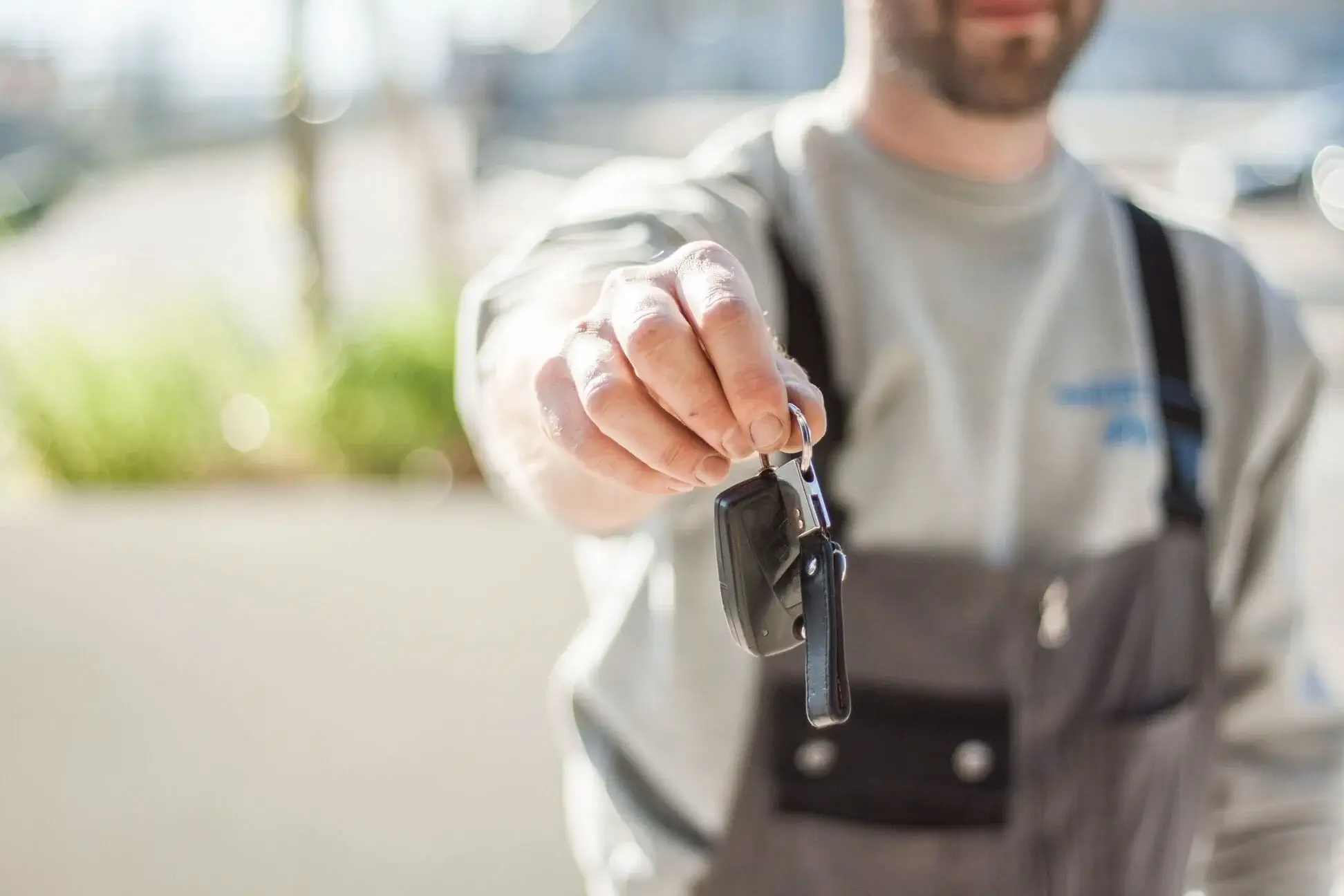
Renting a Car in Morocco: What Every Driver Must Know Before Hitting the Road 2026 Guide
Renting a car in Morocco unlocks a version of the country that is simply inaccessible by public transport — the unmarked roads climbing through the High Atlas, the remote kasbahs of the Draa Valley, the deserted Atlantic beaches south of Essaouira, the Berber villages above the snowline where no bus goes and no grand taxi stops. For travelers who want to move at their own pace and reach places beyond the standard tourist circuit, renting a car in Morocco is genuinely transformative.
But driving in Morocco is also different from driving in most Western countries in ways that require honest preparation. The roads range from excellent modern motorways to barely-there mountain tracks, the driving culture operates by its own distinctive rules, and the paperwork required of foreign drivers has specific requirements that can cause problems if not addressed before departure. This guide covers everything you need to know about renting a car in Morocco — from choosing the right company to navigating mountain roads safely.
Should You Rent a Car in Morocco?
Renting a car in Morocco makes sense in some situations and is unnecessary in others. Before committing, consider the following.
Rent a car in Morocco if:
- You want to explore areas not served by trains or CTM buses — the Atlas Mountains, the Draa Valley, the Anti-Atlas, the Atlantic coast south of Essaouira
- You are traveling as a group of three or more, where the per-person cost of car rental competes favorably with taxis and private transfers
- You want flexibility to stop at viewpoints, villages, and attractions that do not appear on organized tour itineraries
- You are comfortable driving in unfamiliar environments and can remain calm in chaotic traffic situations
Consider alternatives to renting a car in Morocco if:
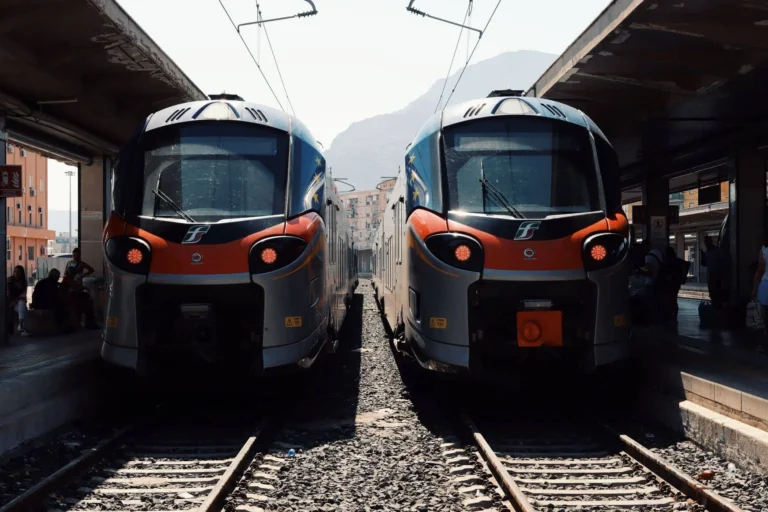
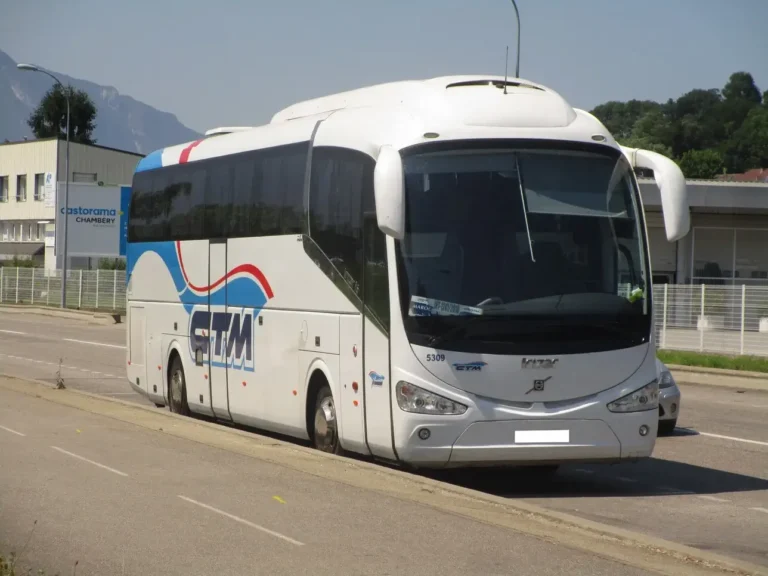
- Your itinerary is limited to the major cities (Marrakech, Fes, Casablanca, Rabat) — trains and CTM buses serve these routes excellently
- You find driving in unfamiliar countries stressful — Morocco’s driving environment is genuinely challenging for nervous drivers
- You are traveling solo and the per-person cost of rental competes unfavorably with shared transport options
- You plan to spend significant time in medinas — parking near medina entrances is difficult and often expensive, and the medinas themselves are pedestrianized
Choosing a Car Rental Company in Morocco
The car rental market in Morocco combines international brands with local operators of varying quality and reliability. Understanding the landscape before booking avoids the most common problems visitors encounter.
International Companies
The major international brands — Avis, Hertz, Budget, Europcar, and Sixt — operate in Morocco primarily through franchised local partners. Their advantages are consistent booking processes, English-language customer service, and the ability to book from your home country before departure. Their disadvantage is typically higher base prices than local competitors.
When renting a car in Morocco through an international brand, always book through the international website rather than directly through the Moroccan franchise operation — the international booking typically carries better consumer protection and clearer terms.
Local Moroccan Companies
Dozens of local car rental companies operate in Morocco, many offering significantly lower prices than international brands. The quality and reliability of local operators varies enormously — some are excellent, some are problematic. Before renting a car in Morocco from a local company, read recent reviews carefully (TripAdvisor and Google are most useful), verify the company’s physical address and business registration, and ensure you understand exactly what is included in your rental agreement before signing.
The risks with some local operators include vehicles in poor mechanical condition, unclear insurance terms, disputed damage assessments at return, and difficulty resolving problems if they arise. These risks can be mitigated by thorough research and a careful inspection of the vehicle before accepting it.
Recommended Approach
For most visitors renting a car in Morocco for the first time, booking through a well-reviewed international brand provides the most predictable experience. For travelers with more experience in Morocco or who have identified a specific well-reviewed local operator, local rentals can offer good value.
What You Need to Rent a Car in Morocco
The documentation requirements for renting a car in Morocco are straightforward but must all be in order before collection.
Passport: Required by all renters.
Driving license: Your national driving license is valid for renting a car in Morocco for stays of up to three months. An International Driving Permit (IDP) is recommended by many rental companies and required by some — check your specific rental agreement. IDPs can be obtained from automobile associations in your home country and are inexpensive.
Credit card: Most car rental companies in Morocco require a credit card (not debit card) in the main renter’s name for the security deposit. The deposit amount varies by company and vehicle type but is typically 2,000–5,000 MAD, held as a pre-authorization rather than an actual charge.
Age requirements: Most car rental companies in Morocco require drivers to be at least 21 years old, with some restricting certain vehicle categories to drivers over 25. Young driver surcharges typically apply for renters under 25.
Understanding Insurance When Renting a Car in Morocco
Insurance is the most important and most commonly misunderstood element of renting a car in Morocco. Taking the time to understand exactly what coverage you have before driving off the rental lot prevents potentially serious financial problems.
Third-party liability insurance (assurance responsabilité civile): Legally mandatory in Morocco and always included in any legitimate rental. This covers damage you cause to other vehicles, property, or people. It does not cover damage to the rental vehicle itself.
Collision Damage Waiver (CDW): Reduces your financial liability for damage to the rental vehicle itself in the event of an accident. CDW typically carries an excess (deductible) of 2,000–5,000 MAD — meaning you pay this amount toward the cost of any damage, with the rental company covering costs above that. CDW is usually offered as an add-on at 50–150 MAD per day.
Full coverage/Super CDW: Eliminates or significantly reduces the excess on CDW. Available from most rental companies at 100–300 MAD per day. For renting a car in Morocco on mountain roads or in areas where minor road damage is more likely, full coverage provides genuine peace of mind.
Your existing insurance: Some credit card providers and travel insurance policies include car rental coverage. Check the specific terms carefully before departure — many policies exclude certain vehicle categories, certain countries, or certain road types (specifically off-road driving, which is relevant for some Atlas Mountain routes).
At vehicle collection: Before accepting the vehicle, photograph every existing scratch, dent, and mark on the exterior and interior, and ensure these are all noted on the rental agreement. Disputed damage claims at vehicle return are among the most common complaints associated with renting a car in Morocco.
Driving in Morocco: What to Expect
Renting a car in Morocco and actually driving it are two different challenges. The driving environment in Morocco is unlike most Western countries and requires genuine adjustment.
Road Quality
Morocco’s road network ranges dramatically in quality. The motorway (autoroute) network connecting Tangier, Rabat, Casablanca, Marrakech, and Fes is modern, well-maintained, and fast — equivalent to good European motorway driving. Main national roads (routes nationales, marked N on maps) are generally good. Provincial roads (routes provinciales, marked P) vary significantly. Mountain roads can be narrow, winding, poorly surfaced, and occasionally closed by snow or landslides in winter.
For renting a car in Morocco that includes Atlas Mountain driving, a vehicle with good ground clearance is recommended — not necessarily a 4×4 for standard paved mountain roads, but at minimum a vehicle that handles uneven surfaces comfortably.
Driving Culture
Moroccan driving culture operates by unwritten rules that differ significantly from Western norms. Key observations for anyone renting a car in Morocco for the first time:
Horn use is frequent and communicative rather than aggressive — a short horn is often used to signal overtaking, approaching a blind corner, or navigating a narrow street.
Overtaking on mountain roads is common even on blind corners — Moroccan drivers are generally experienced at assessing oncoming traffic risk in ways that can be startling to visitors. Maintain your position and speed predictably.
Pedestrians, cyclists, donkeys, and livestock share the road in rural areas and require constant awareness, particularly at dawn, dusk, and in villages.
Speed bumps (ralentisseurs) appear frequently on rural roads, often without warning signage. Many accidents involving renting a car in Morocco visitors result from hitting unmarked speed bumps at speed.
Checkpoints are common on Moroccan roads, operated by police and gendarmerie. Slow down well in advance, have your documents accessible, and be polite and cooperative. Checkpoints are routine and typically brief for tourist drivers with correct documentation.
Fuel
Morocco has two main fuel types — unleaded petrol (essence) and diesel (gasoil). Diesel is significantly cheaper and is used by most rental vehicles. Petrol stations are abundant in cities and along major routes but can be scarce in remote mountain and desert areas. When renting a car in Morocco for rural routes, fill up at every opportunity rather than waiting until the gauge drops low.
Most rental vehicles are returned full — confirm the fuel policy when collecting your car. “Full to full” (you receive the car full and return it full) is standard; avoid “full to empty” arrangements where the rental company pre-charges you for a full tank.
Parking
City parking in Morocco is managed by gardiens de voiture — informal parking attendants who manage street parking areas in exchange for tips of 2–5 MAD. Their presence is ubiquitous and their role is accepted — the small tip buys genuine attention to your vehicle while parked. Paying on arrival (rather than on return) is customary.
Underground car parks (parkings) are available in central Casablanca, Rabat, and Marrakech’s Gueliz neighborhood. Rates are typically 5–10 MAD per hour.
Near medinas, parking is available outside the main gates — Bab Doukkala and Place Youssef Tachfine in Marrakech, Place de l’Istiqlal in Fes. Do not attempt to drive into the medinas themselves — the streets are pedestrianized and simply too narrow.
Best Routes for Renting a Car in Morocco
The High Atlas Circuit: Marrakech → Tizi n’Tichka → Ouarzazate → Draa Valley → Dades Gorge → Todra Gorge → Midelt → Azrou → Ifrane → return to Marrakech (or Fes). This is the classic road trip route for renting a car in Morocco and covers the most dramatic landscapes in the country over 5–7 days.
The Atlantic Coast: Casablanca → Rabat → Asilah → Tangier (or reverse). The coastal road north of Casablanca passes through some of Morocco’s most beautiful and least touristed Atlantic coastline.
The Deep South: Ouarzazate → Zagora → M’Hamid → Erg Chigaga (requires 4×4 for the final section). The most remote and most spectacular road trip in Morocco, passing through the Draa Valley and approaching the genuine Sahara.
The Rif Mountains: Fes → Chefchaouen → Tetouan → Tangier. A beautiful mountain circuit through northern Morocco, with dramatic Rif Mountain scenery and the contrast between the blue city and the Mediterranean coast.
Practical Tips for Renting a Car in Morocco
Book in advance. During peak season (March–May, September–November) and school holidays, rental vehicle availability at Moroccan airports can be very tight. Book at least two to three weeks in advance.
Inspect everything at collection. As noted above, photograph all existing damage meticulously before driving away. Do not accept a vehicle with damage that is not recorded on the rental agreement.
Carry documents at all times. Your passport, driving license, rental agreement, and insurance documents should be in the vehicle whenever you are driving. Police checkpoints will request them.
Download offline maps. Mobile data coverage in remote mountain and desert areas when renting a car in Morocco can be unreliable. Download the relevant Morocco map regions for offline use in Google Maps or Maps.me before departing from cities.
Plan mountain drives carefully. Mountain roads in the Atlas take significantly longer than their distance suggests. A 100-kilometer mountain route may take 3–4 hours rather than the 1.5 hours suggested by distance alone. Build in generous time buffers.
Do not drive at night in rural areas. Unmarked speed bumps, livestock on the road, and the absence of roadside lighting make rural night driving when renting a car in Morocco significantly more dangerous than daytime driving.
Final Thoughts
Renting a car in Morocco opens the country in ways that no other form of transport can match. The freedom to pull over at a viewpoint above the Todra Gorge, to follow a dirt track to a village not on any tourist map, to drive south until the road runs out and the Sahara begins — these are experiences that justify every complexity of the rental process.
Go in prepared, drive defensively, photograph your vehicle before and after, and Morocco’s roads will deliver some of the most memorable driving of your life.
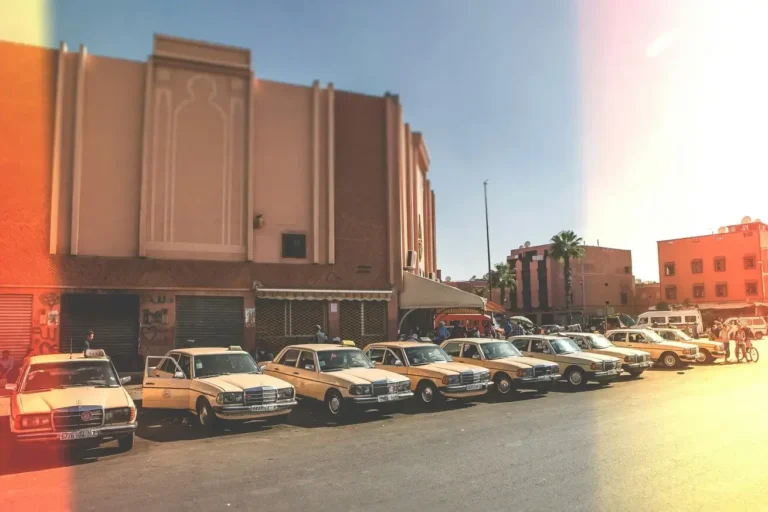
For more Morocco transport planning, read our complete Morocco taxi guide and our Morocco train travel guide. For official road and travel information, visit Visit Morocco.
6 Comments